Oporto de Valparaíso y Viña del Mar con Cata de Vinos Casablanca
4.98609 opiniones10h
desde 68 €
Ver disponibilidad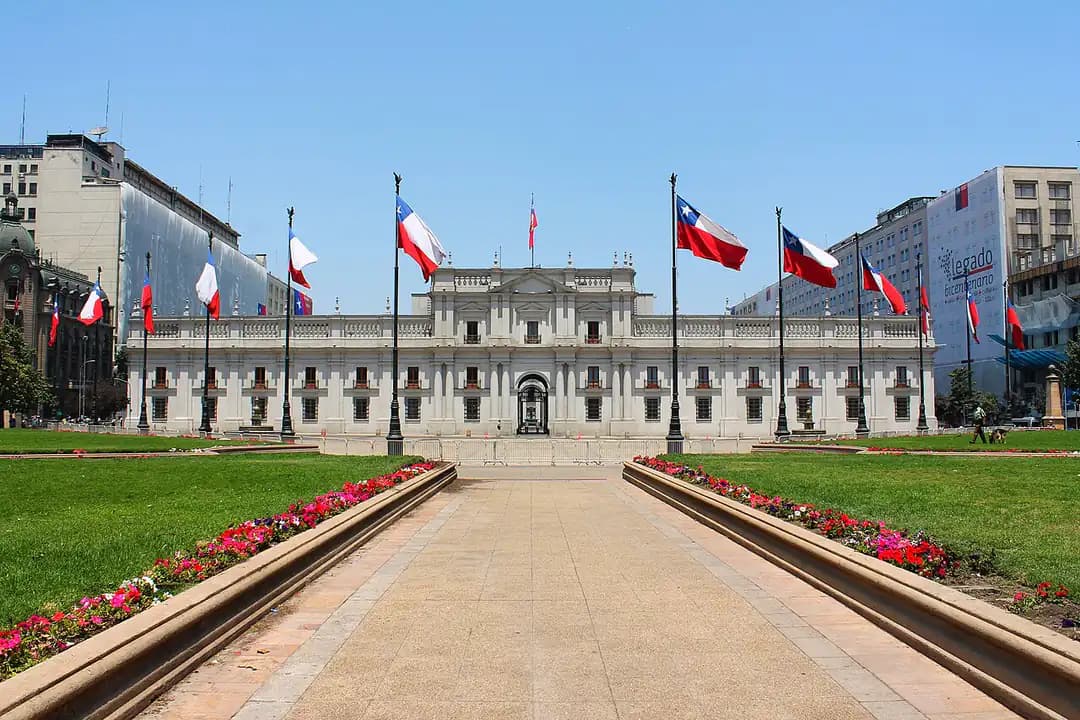
Chile
Santiago isn't just a city; it's a dramatic stage where urban energy collides with Andean grandeur. Your first glimpse of the snow-dusted peaks of Cerro San Cristóbal from the bustling Plaza de Armas sets the tone for a capital that effortlessly blends colonial history with modern verve. Here, you can sip a Carménère in a sleek rooftop bar with a panoramic mountain view, then descend into the labyrinthine Mercado Central for a bowl of paila marina, Chile's legendary seafood stew.
The city's soul is found in its contrasts: the avant-garde architecture of the Costanera Center skyscraper shadows the neoclassical Palacio de La Moneda, while the street art of bohemian Bellavista tells stories just steps from the curated literary world of Pablo Neruda's La Chascona. Santiago is a gateway, yes, but one with a profound and sophisticated character all its own, inviting you to explore its layered neighborhoods, world-class vineyards, and the ever-present call of the mountains.
A World-Class Wine Capital at Your Doorstep: Santiago is the unrivaled gateway to Chile's famed wine valleys. Take a short trip to the Maipo Valley for robust Cabernet Sauvignons at Concha y Toro or visit the innovative wineries of the Casablanca Valley for crisp Sauvignon Blancs, all within an hour's drive.
The Dramatic Andean Backdrop: The snow-capped Andes aren't just a distant view; they're an integral part of the cityscape. Ride the funicular up Cerro San Cristóbal for 360-degree vistas, hit the slopes at nearby ski resorts like Valle Nevado in winter, or hike the pre-Columbian trails of Cerro El Plomo.
A Literary and Artistic Pilgrimage: Follow in the footsteps of Nobel laureate Pablo Neruda by visiting his whimsical Santiago home, La Chascona, in Bellavista. Explore the street art-covered passages of the same neighborhood and the contemporary collections at the Museo de Arte Contemporáneo.
A Seafood Lover's Paradise with a Unique Twist: Thanks to Chile's immense coastline, Santiago's markets and restaurants boast incredibly fresh seafood. Don't miss the chaotic energy and iconic dishes of the Mercado Central, and be sure to try a 'chorrillana'—a mountain of fries topped with steak, onions, and eggs.
Vibrant, Distinct Neighborhoods: Each barrio has its own personality. Wander the Parisian-style architecture of Lastarria for cafes and museums, experience the nightlife and bohemian spirit of Bellavista, shop in the sleek Providencia, and feel the historic pulse in the Centro around Plaza de Armas.
Perfect Climate for Year-Round Exploration: With over 300 days of sunshine a year and a Mediterranean climate, Santiago is rarely off-limits. Enjoy warm, dry summers perfect for vineyard tours and cool, crisp winters ideal for museum-hopping or heading to the mountains for skiing.
¿Listo para explorar Santiago de Chile?
The bohemian heart of Santiago, bursting with colorful street art, lively pedestrian streets, and an infectious creative energy. By day it's a haven for artists and students; by night, its countless bars and restaurants come alive.
Highlights:
Best for:
A charming, walkable neighborhood with a European flair, known for its cobblestone streets, historic buildings, and intellectual vibe. It's a hub for boutique shopping, gourmet dining, and cultural institutions.
Highlights:
Best for:
A sleek, modern commercial and residential district centered around the Mapocho River and the towering Costanera Center. It offers high-end shopping, business hotels, and a more polished urban experience.
Highlights:
Best for:
The bustling, historic downtown core where Santiago was founded. It's a dense mix of government buildings, historic landmarks, markets, and local commerce, offering a raw and authentic slice of city life.
Highlights:
Best for:
Los tours y entradas que más reservan los viajeros, con valoraciones y opiniones de Viator.
desde 68 €
Ver disponibilidad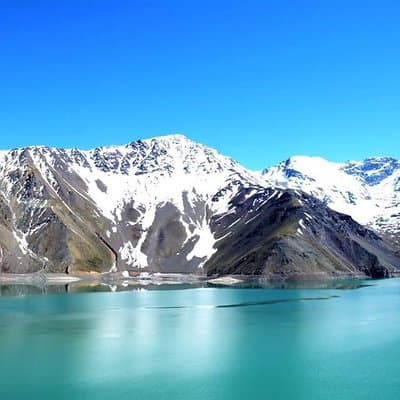
desde 38 €
Ver disponibilidad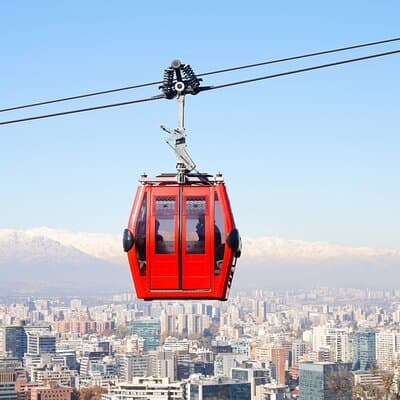
desde 61 €
Ver disponibilidad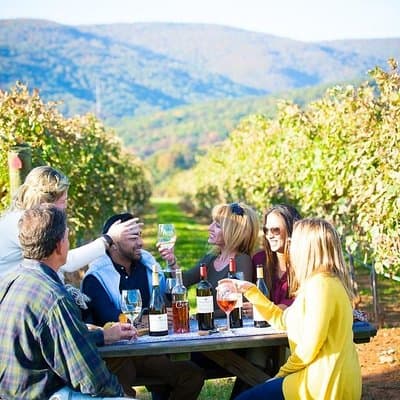
desde 108 €
Ver disponibilidadTours y precios de Viator, una empresa de Tripadvisor. Los precios cambian según las fechas. Podemos recibir una comisión si reservas, sin coste extra para ti.
Santiago's food scene is a robust reflection of Chile's geography, blending incredible Pacific seafood with hearty Andean ingredients and European influences. From no-frills 'picadas' (local eateries) to world-class fine dining, the city celebrates its produce, wine, and culinary traditions with passion.
Look for places packed with locals at lunchtime for the most authentic and affordable experience.
Visit the Mercado Central early in the morning to see the fish auctions and get the freshest catch.
Reservations are essential, especially at top spots like Boragó, which books up months in advance.
The best street food is often found outside markets like La Vega or at weekend ferias (street fairs).
September to November brings mild, pleasant weather with blooming jacaranda trees painting the city purple. It's ideal for outdoor activities before the summer heat.
Pros:
Cons:
December to February is hot, dry, and sunny, with long days and clear skies. The city empties as locals head to the coast, making it less crowded but very warm.
Pros:
Cons:
March to May offers crisp air, golden light, and stunning fall foliage in the parks and surrounding valleys. Temperatures are comfortable for exploring.
Pros:
Cons:
June to August is cool and often rainy in the city, with snow capping the Andes. It's the perfect base for hitting the nearby ski resorts.
Pros:
Cons:
Compara precios de trenes, autobuses y vuelos a Santiago
Introduce tu ciudad de salida para ver precios

1.5 hours by bus
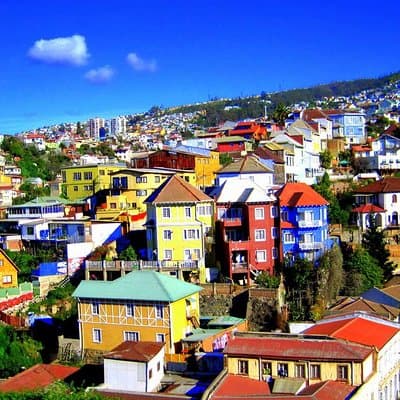
Explore Chile's colorful, chaotic port city of Valparaíso, a UNESCO site famed for its steep funiculars and vibrant street art, then unwind on the pristine beaches of the resort city Viña del Mar.
45 min to 1 hour by car
Journey into the heart of Chile's oldest wine region, known for its powerful reds, particularly Cabernet Sauvignon. Tour historic bodegas set against the dramatic backdrop of the Andes.
1.5 hours by car/bus
An adventurer's paradise, this deep Andean canyon offers stunning mountain scenery, hiking, hot springs, and rustic restaurants. It's a complete escape from the urban environment.
Santiago is generally more affordable than major European or North American capitals, though prices have risen. Smart planning can make it a great value destination.
Budget
$40-70 USD for hostels, street food, public transport, and free attractions.
per day
Mid-Range
$100-200 USD for comfortable hotels/Airbnbs, restaurant meals, taxi rides, and paid tours.
per day
Luxury
$300+ USD for 5-star hotels, fine dining, private drivers, and exclusive experiences.
per day
A sprawling, serene 19th-century park west of the center, home to several excellent museums and a beautiful lagoon.
It's a peaceful escape from the downtown bustle, often overlooked by tourists, and houses gems like the Museo de la Memoria and the charming Museo Ferroviario (Railway Museum).
A massive, sprawling flea market in the Franklin neighborhood, operating primarily on weekends.
It's a true local experience where you can find absolutely everything—from antiques and vinyl records to tools and clothing—and soak up an authentic market atmosphere far from tourist trails.
A uniquely Santiago institution: standing-only espresso bars where waitresses in miniskirts serve strong, cheap coffee to a mostly male clientele.
It's a quirky, slightly controversial slice of local culture. The most famous (and PG-rated) chain is 'Café Haiti'—try it for a quick, potent caffeine hit and a true cultural curiosity.
A small, fortified hill in the city center, transformed into a picturesque park with fountains, terraces, and a castle-like entrance.
While Cerro San Cristóbal gets all the attention, Santa Lucía offers equally stunning 360-degree views of the downtown skyline with a fraction of the crowds and a fascinating historical background as the city's founding site.
A former secret detention and torture center during the Pinochet dictatorship, now a poignant park and museum dedicated to memory and human rights.
It provides a powerful, sobering, and essential understanding of Chile's recent history, offering profound insight into the country's resilience and journey toward reconciliation.
Santiago's culture is a blend of formal European tradition and laid-back Chilean warmth. 'Santiaguinos' are generally polite, reserved in public, but friendly and helpful once engaged. Family is central, and Sunday gatherings for a large 'once' (tea-time) are a cherished ritual.
Santiago is generally safe for tourists, especially in popular neighborhoods. Exercise standard big-city precautions: be aware of pickpockets in crowded areas like markets and on public transport, don't flash valuables, and avoid walking alone in quiet, poorly lit areas at night. Petty crime is the primary concern.
It's highly recommended to know basic Spanish. While staff at major hotels, tourist attractions, and upscale restaurants often speak English, you'll find limited English elsewhere. Learning key phrases will greatly enhance your experience and is appreciated by locals.
Chile uses 220V electricity with Type C and Type L plugs. Type L has three round pins in a line, but many sockets also accept the European two-pin Type C plug. Travelers from North America will need a voltage converter and plug adapter.
Yes, Uber, Cabify, and Didi operate widely in Santiago and are often cheaper and more reliable than hailing a taxi on the street. They are a safe and convenient way to get around, especially at night or to/from the airport.
The tap water is technically treated and safe, but it has a strong chlorine taste and may cause stomach upset for visitors. It is universally recommended to drink bottled or filtered water, which is readily available everywhere.
The main resorts (Valle Nevado, La Parva, El Colorado) are about 1-1.5 hours east of the city. You can book shared or private transfer shuttles from your hotel or the airport, rent a car (4WD/chains recommended in winter), or join an organized day tour. Public transport does not go directly to the slopes.
Pack layers! The weather can change dramatically between morning and evening, especially with the dry air. Essentials include comfortable walking shoes, sunglasses, sunscreen, a hat for summer, a warm jacket for winter, and a reusable water bottle. A light rain jacket is useful year-round.
Exercise increased caution in areas further from the city center, particularly after dark. It's advisable to avoid the neighborhoods around the Estación Central at night. Always consult with your hotel concierge or a trusted local for current advice on areas to avoid.
Costes diarios habituales para un viajero, de económico a cómodo.
| Económico | Gama media | Cómodo | |
|---|---|---|---|
| Alojamiento (por noche) | 30 € | 75 € | 140 € |
| Comida y bebida (por día) | 14 € | 28 € | 55 € |
| Visitas y actividades (por día) | 7 € | 18 € | 40 € |
| Total por día | 51 € | 121 € | 235 € |
Las estimaciones no incluyen vuelos ni transporte de larga distancia. Compara los costes diarios entre ciudades
Hoteles cerca del centro de Santiago de Chile, de económicos a lujo. Los precios son tarifas por noche habituales en nuestra última consulta.
 Económico
 Económico
 Gama media
 Gama media
 Superior
 Superior
 Lujo
Los precios de hotel proceden de Traveloka, consultados por última vez el 4 de febrero de 2026, y varían según tus fechas. Podemos recibir una comisión si reservas a través de nuestros enlaces, sin coste adicional para ti.
Conexiones populares en tren, autobús y avión, con tiempos de viaje y tarifas.
Deja que la IA cree el itinerario perfecto para tu viaje a Santiago de Chile. Solo describe lo que quieres experimentar.
Planificar viaje a Santiago de Chile