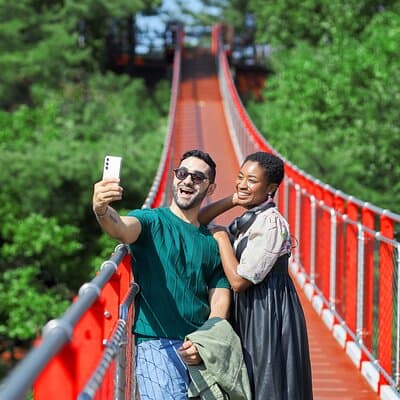
Mejor DMZ Tour Corea desde Seúl (Puente Colgante y Museo JSA)
4.952.687 opiniones7h
desde 45 €
Ver disponibilidad
South Korea
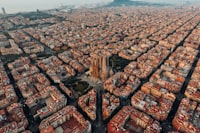
Seoul isn't just a city; it's a living timeline where you can walk from the 14th-century gates of Gyeongbokgung Palace straight into the neon-drenched, K-pop-fueled energy of Hongdae in under an hour. Here, you'll sip traditional *sul* (Korean liquor) in a restored *hanok* in Bukchon, then navigate the futuristic underground shopping labyrinths of COEX Mall, all before indulging in a legendary late-night feast of sizzling *samgyeopsal* (pork belly) at a bustling *pojangmacha* (street tent bar).
This is a city of intense contrasts and sensory overload, where ancient shamanistic rituals coexist with robot baristas, and the world's fastest internet fuels both global tech trends and intimate, 24-hour PC bang (gaming cafe) sessions. From the serene walking trails along the old Seoul City Wall to the deafening cheers at a live music show in Gangnam, Seoul demands to be experienced with all your senses wide open.
A Culinary Powerhouse: Go beyond BBQ and bibimbap to discover *sundae* (blood sausage) at Gwangjang Market, artisanal *patbingsu* (shaved ice) in Insadong, and the fiery, stir-fried chicken dish *dakgalbi* in Hongdae's back alleys.
The Epicenter of Hallyu (Korean Wave): Feel the energy at a K-pop concert at the Olympic Gymnastics Arena, hunt for rare albums in Myeongdong's underground shops, or even visit filming locations from hit dramas like 'Goblin' or 'Crash Landing on You'.
A Skincare & Beauty Mecca: Dive into the 10-step routine at flagship stores of Innisfree and Etude House in Myeongdong, get a professional facial analysis, or experience a *jjimjilbang* (Korean spa) for the ultimate relaxation ritual.
Palaces & History Brought to Life: Don't just see Gyeongbokgung—watch the changing of the guard ceremony, rent a *hanbok* (traditional dress) for free palace entry, and explore the secret garden of Changdeokgung, a UNESCO site.
24-Hour Urban Energy: Experience the non-stop pulse, from dawn hikes up Bukhansan Mountain to post-midnight shopping in Dongdaemun's wholesale markets and singing your heart out in a *noraebang* (karaoke room) until sunrise.
Futuristic Innovation & Quirky Culture: Ride the driverless trains on the Sinbundang Line, visit the futuristic Dongdaemun Design Plaza (DDP), and explore themed cafes dedicated to everything from raccoons and sheep to vinyl records and board games.
¿Listo para explorar Seúl?
The historic and cultural heart of Seoul, where ancient palaces, traditional tea houses, and artisan workshops set a serene yet profound tone. This area is a maze of history, from royal grounds to quiet Buddhist temples tucked between modern buildings.
Highlights:
Best for:
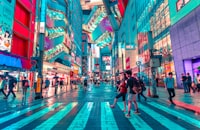
A high-octane, sensory-blitz district dedicated to retail therapy, beauty, and street food. Neon signs tower over packed streets where vendors shout and perform to sell everything from cosmetics to crispy fried snacks.
Highlights:
Best for:
The vibrant, youth-centric epicenter of indie music, urban art, and alternative fashion, fueled by the energy of nearby Hongik University. Graffiti-covered walls, live busking, and quirky themed cafes define its creative, non-conformist vibe.
Highlights:
Best for:
The sleek, affluent, and modern face of Seoul, immortalized by Psy's hit song. This is a district of gleaming skyscrapers, luxury boutiques, high-end plastic surgery clinics, and sophisticated dining and nightlife.
Highlights:
Best for:
Los tours y entradas que más reservan los viajeros, con valoraciones y opiniones de Viator.
desde 45 €
Ver disponibilidad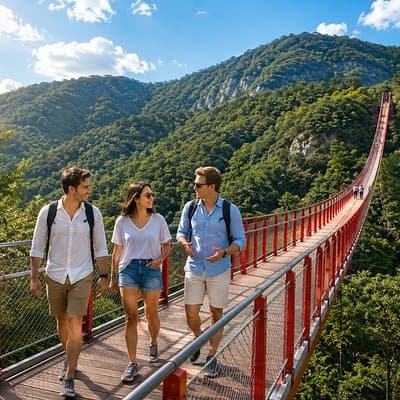
desde 45 €
Ver disponibilidad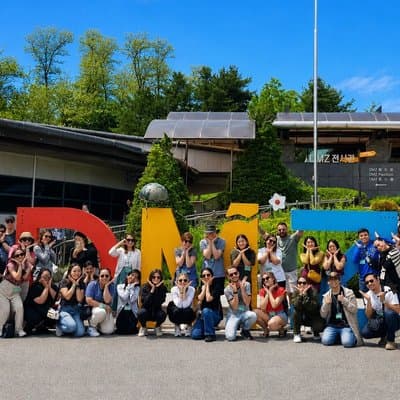
desde 45 €
Ver disponibilidad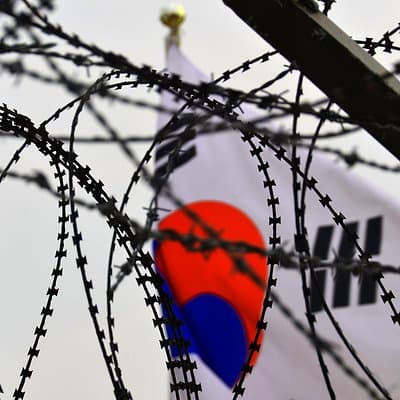
desde 45 €
Ver disponibilidadTours y precios de Viator, una empresa de Tripadvisor. Los precios cambian según las fechas. Podemos recibir una comisión si reservas, sin coste extra para ti.
Korean food is a central pillar of life in Seoul, defined by bold flavors, communal dining, and an incredible variety of banchan (side dishes). From sizzling street stalls to decades-old family-run restaurants, eating here is an interactive, shared, and deeply satisfying adventure.
Follow the lines! The longest queues are often for the most legendary and freshest street food stalls.
For a true royal cuisine experience, book a multi-course 'hanjeongsik' meal, which features dozens of small, beautifully presented dishes.
Let the staff cook the first round for you to learn the proper technique for grilling different cuts of meat.
Seoul's cafe culture is extreme. Don't miss themed cafes (like animal or character cafes) for a uniquely Korean experience.
Spring (March-May) is arguably Seoul's most beautiful season, with mild temperatures and the city exploding in pastel shades of cherry blossoms and other spring flowers.
Pros:
Cons:
Summer (June-August) is hot, humid, and rainy, with the monsoon season (Jangma) typically hitting in July. It's a vibrant but physically demanding time to visit.
Pros:
Cons:
Autumn (September-November) brings crisp, cool air and spectacular foliage. The mountains and palace grounds are set ablaze with vibrant red, orange, and yellow hues.
Pros:
Cons:
Winter (December-February) is cold and dry, with occasional snow that dusts the palaces in a magical way. It's the season for cozy indoor activities and hearty food.
Pros:
Cons:
Compara precios de trenes, autobuses y vuelos a Seoul
Introduce tu ciudad de salida para ver precios

1 hour by subway (Line 1 or Bundang Line)
A UNESCO World Heritage site, this magnificent 18th-century fortress wall encircles the heart of Suwon. It's a stunning example of military architecture, perfect for a scenic walk with great views.
1.5 - 2 hours by organized tour bus
A sobering and unique historical excursion to the border between North and South Korea. Tours offer a glimpse into the ongoing conflict and the hope for reunification.
1.5 hours by ITX train to Gapyeong + short ferry
A picturesque, half-moon shaped island famous for its tree-lined lanes, used as a filming location for the drama 'Winter Sonata.' It's a serene escape into nature and art.
Seoul can be experienced on a range of budgets. While luxury is readily available, it's also a very affordable city for budget-conscious travelers thanks to excellent public transport, cheap and delicious street food, and many free attractions.
Budget
$40-70 per day (hostel dorm, street food/convenience store meals, public transport, free sights)
per day
Mid-Range
$100-180 per day (private hotel/airbnb, mix of casual and mid-range restaurants, some taxis, paid attractions)
per day
Luxury
$300+ per day (5-star hotel, fine dining, private tours, premium shopping)
per day
A newer, trendier alternative to Bukchon, this maze of narrow alleys is filled with traditional hanok houses now converted into hip cafes, boutiques, and craft beer bars.
It offers the charm of a hanok village but with a contemporary, youthful energy and far fewer tourists, making it perfect for a leisurely afternoon exploration.
A massive park complex in Seongsu-dong, often called Seoul's answer to Central Park, featuring deer enclosures, art installations, water features, and vast green spaces.
It's a beloved local escape that most tourists miss, offering a peaceful respite and a chance to see Seoulites enjoying their leisure time.
The 'Brooklyn of Seoul,' a former industrial shoe manufacturing district now transformed into the city's epicenter of hipster culture, with warehouses turned into artisanal cafes, galleries, and flagship stores.
It's the best place to see Seoul's cutting-edge urban regeneration and indie design scene away from the mainstream commercial districts.
A major Buddhist temple nestled incongruously among the skyscrapers of Gangnam, offering temple stay programs and serene temple grounds.
The stark contrast between ancient temple architecture and the modern Gangnam skyline provides a uniquely Seoul photo op and a moment of profound peace in the city's busiest district.
A stunning urban regeneration project where six disused oil storage tanks have been transformed into public cultural spaces, art halls, and a park.
It's a brilliant example of sustainable design and hosts excellent, often free, exhibitions and events in a truly unique architectural setting with great views.
Korean culture is built on Confucian principles of respect for hierarchy, elders, and community. This manifests in nuanced social etiquette, a passionate collective spirit (seen in fandom culture and cheering for sports teams), and a deep appreciation for both hard work and hard play. Modern Seoul is a fascinating blend of this deep-seated tradition and hyper-fast, trend-driven modernity.
Seoul is exceptionally safe. Violent crime is very rare. Normal precautions against petty theft (like in crowded markets) are advised, but it's common to see people leaving bags unattended in cafes. Walking alone at night is generally not a concern.
Citizens of many countries (including the US, UK, Canada, EU, Australia) can enter South Korea visa-free for tourism for stays of 30 to 90 days. Always check the latest requirements with the Korean embassy or consulate before your trip.
Major credit cards (Visa, Mastercard) are widely accepted in hotels, department stores, and most restaurants. However, you should always carry some Korean Won in cash for street food, traditional markets, small family-run shops, and public transportation top-ups.
You can easily rent a portable WiFi egg (pocket router) or buy a prepaid SIM card at Incheon Airport upon arrival. Providers like SK Telecom, KT, and LG U+ have counters in the arrivals hall. A SIM or WiFi egg is highly recommended for navigation and translation.
In tourist areas like Myeongdong, Hongdae, and major hotels, you'll find many people who speak basic English, especially younger Koreans. However, learning a few key Korean phrases and using a translation app (like Papago) will greatly enhance your experience, especially in local markets or restaurants.
While there's no strict dress code, modest clothing is respectful. Avoid very short shorts, mini-skirts, and sleeveless tops. Some temples may provide shawls to cover up if needed. Comfortable shoes are a must as you'll be walking a lot, often on uneven stone paths.
Officially, Seoul's tap water is safe to drink after purification. However, most locals and many travelers prefer to drink bottled or filtered water. Most hotels and accommodations provide bottled water or have water purifiers. Restaurants will always serve you filtered or bottled water.
Finding strictly vegetarian or vegan food can be challenging as Korean cuisine often uses fish sauce or meat-based broths. Look for dedicated vegetarian/vegan restaurants (in Itaewon or Hongdae) or learn to say 'chaesikjuuija' (vegetarian). Halal food is available but limited; the Itaewon area has several certified halal restaurants.
Costes diarios habituales para un viajero, de económico a cómodo.
| Económico | Gama media | Cómodo | |
|---|---|---|---|
| Alojamiento (por noche) | 40 € | 95 € | 165 € |
| Comida y bebida (por día) | 13 € | 28 € | 55 € |
| Visitas y actividades (por día) | 7 € | 18 € | 40 € |
| Total por día | 60 € | 141 € | 260 € |
Las estimaciones no incluyen vuelos ni transporte de larga distancia. Compara los costes diarios entre ciudades
Hoteles cerca del centro de Seúl, de económicos a lujo. Los precios son tarifas por noche habituales en nuestra última consulta.
 Económico
 Económico
 Gama media
 Gama media
 Superior
 Superior
 Lujo
 Lujo
Los precios de hotel proceden de Traveloka, consultados por última vez el 4 de febrero de 2026, y varían según tus fechas. Podemos recibir una comisión si reservas a través de nuestros enlaces, sin coste adicional para ti.
Conexiones populares en tren, autobús y avión, con tiempos de viaje y tarifas.
Deja que la IA cree el itinerario perfecto para tu viaje a Seúl. Solo describe lo que quieres experimentar.
Planificar viaje a Seúl