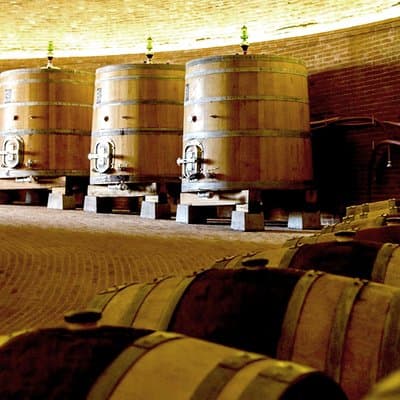
Excursión con cata de vino Brunello di Montalcino para grupos reducidos desde Siena
4.91049 opiniones9h
desde 190 €
Ver disponibilidad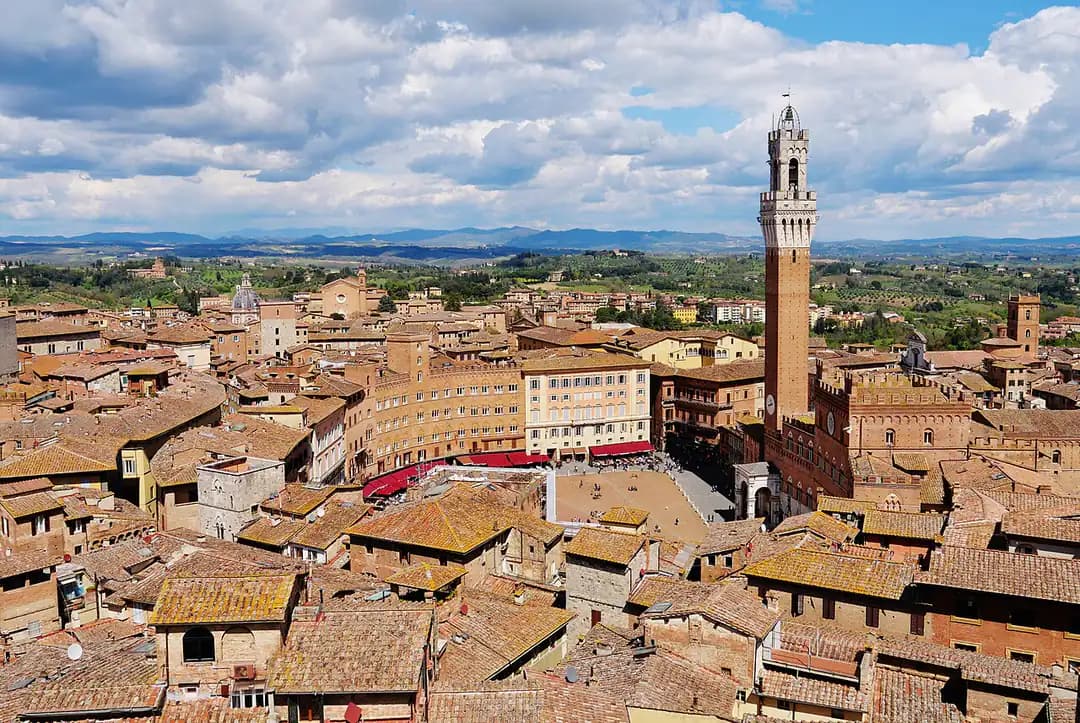
Italy
Siena isn't just a museum piece; it's a living, breathing medieval city where ancient rivalries and traditions pulse through its brick-red streets. The heart of it all is the magnificent, shell-shaped Piazza del Campo, a UNESCO-listed masterpiece of urban design where the city's 17 historic *contrade* (districts) converge. Twice a year, this piazza explodes into the chaotic, 90-second spectacle of the Palio horse race, a tradition dating back to the 17th century that defines Sienese identity more than any monument.
Beyond the Campo, Siena's Gothic soul is carved in marble and brick. The breathtaking Duomo, with its zebra-striped bell tower and intricate facade by Giovanni Pisano, houses treasures like Nicola Pisano's pulpit and the inlaid marble floor—a masterpiece only fully unveiled for a few weeks each year. Wandering the steep, winding alleyways reveals hidden courtyards, artisan workshops, and family-run *osterie* where the robust flavors of Chianti and wild boar ragù connect you directly to the surrounding Tuscan hills.
Experience the Palio's Raw Passion: Witness the Palio horse race on July 2nd or August 16th, where the city's 17 *contrade* compete in a bareback, no-rules sprint around the Campo. The real drama unfolds in the days prior with flag-waving parades, historic rivalries, and intense neighborhood pride.
Marvel at Gothic Architectural Mastery: Explore the Siena Cathedral (Duomo), a stunning symphony of black and white marble. Don't miss the Piccolomini Library's vibrant frescoes, the intricate marble mosaic floor, and the panoramic views from the 'Facciatone' of the unfinished 'Duomo Nuovo'.
Get Lost in a Perfectly Preserved Medieval Labyrinth: Wander the 'Terzo di Città', 'Terzo di San Martino', and 'Terzo di Camollia' districts. Each has its own character, from the artisan shops near Via di Città to the quieter, residential feel of the Fontebranda area near Saint Catherine's house.
Savor the Essence of Chianti Classico: Siena is the capital of the Chianti region. Visit an *enoteca* like Enoteca I Terzi for a tasting, or take a short drive to a historic estate like Castello di Brolio or Villa a Sesta for vineyard tours and world-class Sangiovese.
Discover World-Class Art Beyond the Crowds: The Pinacoteca Nazionale houses the definitive collection of Sienese School paintings by masters like Duccio, Simone Martini, and the Lorenzetti brothers, offering a serene alternative to Florence's crowded Uffizi.
Stand Atop the Torre del Mangia: Climb the 400 steps of the 102-meter-tall Torre del Mangia in the Palazzo Pubblico for a breathtaking, 360-degree view over the terracotta rooftops and the rolling Tuscan countryside beyond the city walls.
¿Listo para explorar Siena?
The historic civic and religious center, home to the Piazza del Campo and the Duomo. This is Siena's most monumental and tourist-frequented district, buzzing with energy and architectural grandeur.
Highlights:
Best for:
A quieter, more residential area stretching south from the Campo. Characterized by steep, narrow streets, local markets, and a strong connection to Saint Catherine, Siena's patron saint.
Highlights:
Best for:
The northern commercial district, historically the gateway for pilgrims on the Via Francigena. It's less polished, with vibrant street life, eclectic shops, and a more modern, lived-in feel.
Highlights:
Best for:
Not an official administrative area, but experiencing Siena through its *contrade* is key. Oca is one of the most famous and successful, with a rich museum, fountain, and social club offering a deep dive into Palio culture.
Highlights:
Best for:
Los tours y entradas que más reservan los viajeros, con valoraciones y opiniones de Viator.
desde 190 €
Ver disponibilidad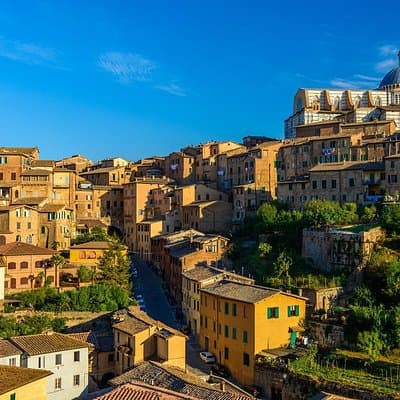
desde 40 €
Ver disponibilidad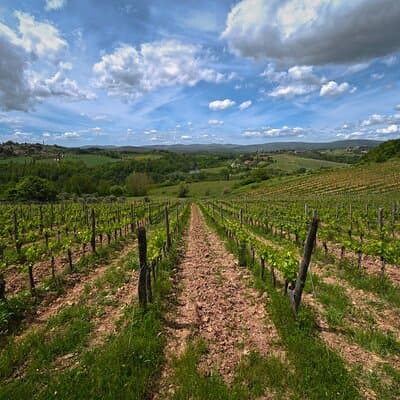
desde 85 €
Ver disponibilidad
desde 130 €
Ver disponibilidadTours y precios de Viator, una empresa de Tripadvisor. Los precios cambian según las fechas. Podemos recibir una comisión si reservas, sin coste extra para ti.
Sienese cuisine is hearty, medieval-rooted 'cucina povera' (poor kitchen) transformed into celebration. It's deeply tied to the surrounding countryside, featuring game, legumes, pecorino cheese, and the city's famous sweets. Meals are often accompanied by a glass of local Chianti.
Look for the 'Siena a Tavola' sticker for restaurants committed to local, traditional cuisine.
The best porchetta is usually found at the market in the morning.
Reservations are essential, often weeks in advance for top spots.
Order a 'tagliere' (cheese & charcuterie board) to pair with your wine flight.
Spring is idyllic, with mild temperatures, green hills, and blooming flowers. The city awakens from winter, and cultural sites are less crowded than in peak summer.
Pros:
Cons:
Summer is vibrant, hot, and packed with festivals, culminating in the legendary Palio in July and August. The city is at its most lively but also most crowded.
Pros:
Cons:
Autumn is arguably the best time to visit. The weather is still warm, the summer crowds have dissipated, and it's harvest season for grapes and olives.
Pros:
Cons:
Winter is cold and quiet, with a magical atmosphere around the holidays. You'll have museums largely to yourself, and the city feels authentically local.
Pros:
Cons:
Compara precios de trenes, autobuses y vuelos a Siena
Introduce tu ciudad de salida para ver precios

40 min by bus or car
The 'Medieval Manhattan' famous for its 14 surviving stone tower houses. A beautifully preserved hill town offering stunning views, Vernaccia white wine, and a step back in time.
1 hour by bus or car
A majestic Renaissance hill town renowned for its noble Vino Nobile red wine. Explore its steep main street lined with elegant palaces and wine cellars carved into the cliffs.
45 min by car
Journey into the surreal, clay-colored 'Sienese Crete' hills, a landscape of rolling biancane formations, cypress trees, and isolated farmhouses, culminating at a stunning Benedictine abbey.
Siena is moderately priced for Italy, cheaper than Florence but more expensive than smaller Tuscan villages. Costs spike dramatically during the Palio. The historic center is the most expensive area.
Budget
€60-80 per person for hostels, market meals, free sights, and walking.
per day
Mid-Range
€120-200 per person for a 3-star hotel, restaurant meals, paid attractions, and local transport.
per day
Luxury
€300+ per person for 4/5-star hotels, fine dining, private guides, and chauffered tours.
per day
A peaceful, walled public garden and small farm just below the city walls, near Fontebranda.
It's a secret green oasis with vegetable plots, farm animals, and a lovely café—a world away from the tourist bustle just minutes from the center.
The city's ancient, 25km-long network of underground aqueducts dating from the 12th century.
Guided tours (bookable through the museum Santa Maria della Scala) offer a unique, subterranean perspective on the medieval engineering that sustained the city.
A small, austere Romanesque church on the Via Francigena pilgrimage route, now a Knights Templar site.
It's one of Siena's oldest buildings, with a stark, powerful atmosphere and fascinating history, yet often overlooked by visitors.
A tiny museum in the State Archives displaying painted wooden book covers from the city's medieval tax office.
These exquisite miniature artworks offer a vivid, colorful snapshot of Sienese life, politics, and history across centuries, seen by very few tourists.
A picturesque, 13th-century Gothic fountain located in a quiet park just outside the Porta Pispini gate.
It's a beautifully preserved example of a medieval public fountain, set in a tranquil spot perfect for a picnic, away from all crowds.
Sienese culture is intensely local, defined by deep-rooted neighborhood identity through the 17 *contrade*. This medieval social structure influences everything from friendships to festivals. Life moves at a slower, traditional pace, with pride in history, art, food, and wine.
Absolutely worth an overnight stay. While a day trip covers the main sights, Siena's magic unfolds in the early morning and evening when day-trippers leave. Staying overnight allows you to experience the local atmosphere, dine in better restaurants, and potentially see a Palio rehearsal or *contrada* dinner.
There are no tickets for the standing area in the center of the Piazza del Campo—it's free but extremely crowded. The bleachers and balcony views are sold by the individual *contrade* to their members and associates, or through very expensive (€300-€500+) third-party agencies. The best free view requires claiming a spot by the inner rail by mid-afternoon.
Yes, but access is limited to small groups of 25 people at a time. It involves a steep, narrow climb of 400 steps with no elevator. Tickets (€10-15) are sold at the Museo Civico in the Palazzo Pubblico and often sell out by midday in peak season, so book online or arrive early.
Renting a car offers the most freedom to explore scenic backroads and smaller wineries. Alternatively, join a small-group van tour from Siena, which handles driving and reservations. Public buses serve main towns like Radda or Gaiole, but service is infrequent, making independent vineyard visits difficult.
The 'Opa Si' All-Inclusive ticket (€15-20, price varies by season) is excellent value if you plan to see everything. It includes the Duomo, Baptistery, Crypt, Museo dell'Opera (with the 'Facciatone' viewpoint), and the 'Gate of Heaven' roof tour (which requires a reserved time slot). Buying individual entries costs much more.
For first-timers, staying within the historic city walls is ideal for atmosphere and walkability, though expensive. The Terzo di Città near the Campo is most central but noisy. Terzo di San Martino is quieter. For better value and free parking, consider an *agriturismo* or hotel just outside the walls, a short bus or walk from a city gate.
Start at the Piazza del Campo, then visit the Palazzo Pubblico and its museum. Climb the Torre del Mangia for views (if time permits). Have lunch, then explore the Duomo complex in the afternoon. Finish with a stroll through the quieter streets of the Terzo di San Martino and a gelato overlooking the city from the Fortezza Medicea.
The historic center is challenging due to steep, uneven cobblestone streets, stairs, and steps. Many museums are in ancient buildings without elevators. However, the main streets (Via di Città, Banchi di Sopra) are flatter. The public escalators from outlying parking help. Contact sites in advance for specific accessibility information.
Costes diarios habituales para un viajero, según los precios medios de Italy.
| Económico | Gama media | Cómodo | |
|---|---|---|---|
| Alojamiento (por noche) | 45 € | 110 € | 190 € |
| Comida y bebida (por día) | 17 € | 35 € | 70 € |
| Visitas y actividades (por día) | 8 € | 22 € | 50 € |
| Total por día | 70 € | 167 € | 310 € |
Las estimaciones no incluyen vuelos ni transporte de larga distancia. Compara los costes diarios entre ciudades
Hoteles cerca del centro de Siena, de económicos a lujo. Los precios son tarifas por noche habituales en nuestra última consulta.
 Económico
 Económico
 Gama media
 Gama media
 Superior
 Superior
Los precios de hotel proceden de Traveloka, consultados por última vez el 4 de febrero de 2026, y varían según tus fechas. Podemos recibir una comisión si reservas a través de nuestros enlaces, sin coste adicional para ti.
Conexiones populares en tren, autobús y avión, con tiempos de viaje y tarifas.
Deja que la IA cree el itinerario perfecto para tu viaje a Siena. Solo describe lo que quieres experimentar.
Planificar viaje a Siena