
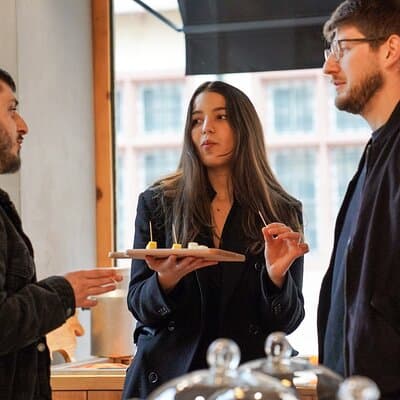
Tour gastronómico de Estrasburgo - Un sabor de tradición por Do Eat Better
4.9813 opiniones3h 30m
desde 79 €
Ver disponibilidad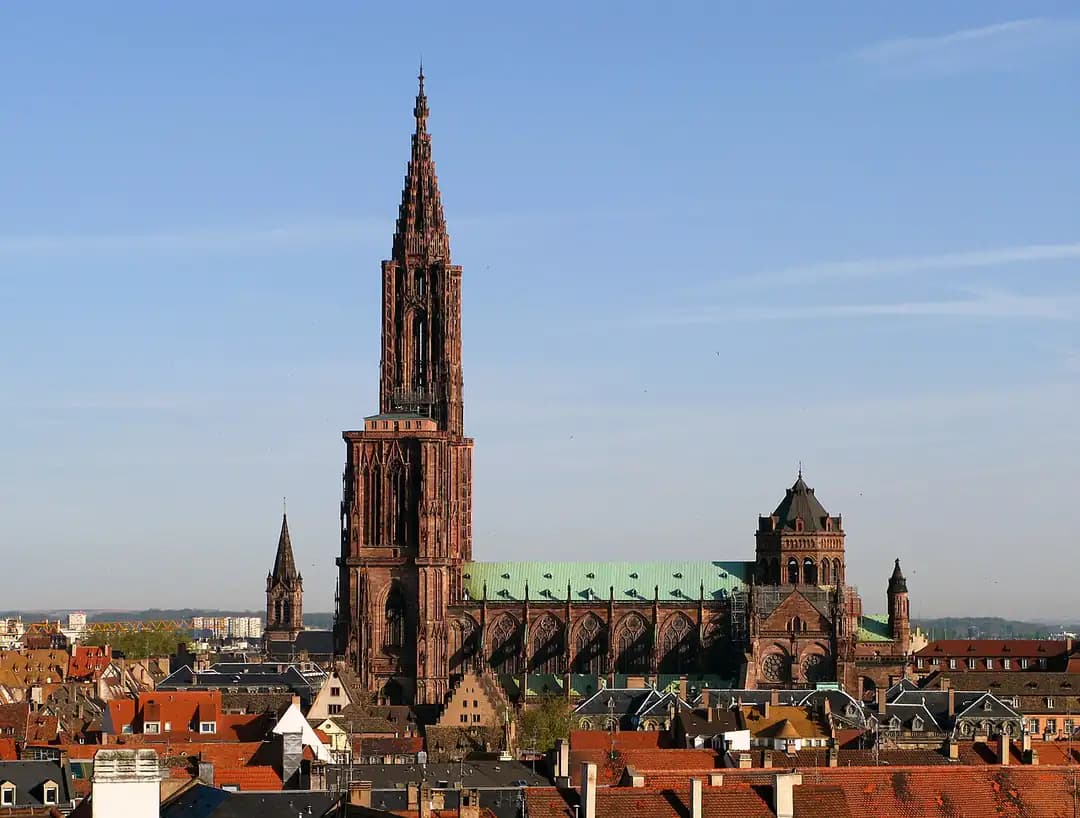
France
Strasbourg isn't just a city; it's a living storybook where cobblestone streets whisper tales of shifting borders and a unique Franco-German identity. The skyline is dominated by the single, magnificent spire of the Cathédrale Notre-Dame, a masterpiece of pink Vosges sandstone that took over 250 years to build. Venture into the UNESCO-listed Grande Île, the historic island city center, and you'll find yourself in the postcard-perfect Petite France district, where 16th-century half-timbered houses lean over the canals of the Ill River, once home to tanners and millers.
This is also Europe's capital in a very literal sense, hosting the European Parliament, the Council of Europe, and the European Court of Human Rights. This duality—ancient timber and modern glass—creates a fascinating tension. One moment you're sipping a crisp Riesling in a *winstub* (traditional Alsatian wine tavern), the next you're contemplating the future of a continent in the sleek, circular Louise Weiss building. The city truly transforms in December, when its legendary Christkindelsmärik, one of the oldest Christmas markets in Europe, blankets the squares in festive light and the scent of mulled wine and *bredele* cookies.
Architectural Grandeur: Witness the awe-inspiring Cathédrale Notre-Dame de Strasbourg, a pinnacle of Gothic architecture. Climb the 332 steps to the viewing platform for breathtaking city views, and don't miss the intricate astronomical clock's daily performance at 12:30 PM.
The Storybook Charm of Petite France: Wander the cobbled lanes of this historic tanners' quarter, where flower-bedecked, half-timbered houses reflect in the canals. Cross the covered bridges (Ponts Couverts) and see the Vauban Dam, a masterpiece of 17th-century military engineering.
A Capital of Europe: Experience contemporary history at the European Parliament. Take a guided tour of the hemicycle where EU laws are debated, and explore the modern European Quarter with its striking institutional architecture.
Legendary Christmas Markets: Immerse yourself in the magic of the Christkindelsmärik, founded in 1570. Explore over 300 chalets spread across multiple squares in the Grande Île, sampling *vin chaud* (mulled wine), handmade ornaments, and Alsatian holiday treats.
Unique Alsatian Cuisine & Wine: Indulge in a rich culinary tradition that blends French technique with German heartiness. Feast on *choucroute garnie* (sauerkraut with sausages and pork), *tarte flambée* (flammekueche), and explore the nearby Route des Vins d'Alsace for world-class Riesling and Gewürztraminer.
Scenic Waterways: See the city from a different perspective on a Batorama boat tour along the Ill River and through the Petite France canals. The commentary provides deep historical context as you glide past medieval landmarks and modern institutions.
¿Listo para explorar Estrasburgo?
The UNESCO World Heritage heart of Strasbourg, an island encircled by the Ill River. This is the city's historic and geographic core, packed with medieval architecture, grand squares, and major landmarks. The vibe is bustling, tourist-friendly, and steeped in centuries of history.
Highlights:
Best for:
The most picturesque and photographed district of Strasbourg, located on the western end of the Grande Île. Once the home of tanners, millers, and fishermen, its charming canals, quays, and impeccably preserved half-timbered houses create a storybook atmosphere. The vibe is quaint, romantic, and slightly touristy.
Highlights:
Best for:
A lively, bohemian neighborhood just south of the Grande Île, popular with students and locals. Known for its vibrant nightlife, eclectic boutiques, and diverse international eateries alongside traditional *winstubs*. The vibe is youthful, artsy, and authentically local.
Highlights:
Best for:
A starkly modern contrast to the historic center, located northeast of the Grande Île. This district houses the key institutions of the European Union and Council of Europe, featuring bold contemporary architecture set around spacious parks and waterways. The vibe is international, political, and serene.
Highlights:
Best for:
Los tours y entradas que más reservan los viajeros, con valoraciones y opiniones de Viator.
desde 79 €
Ver disponibilidad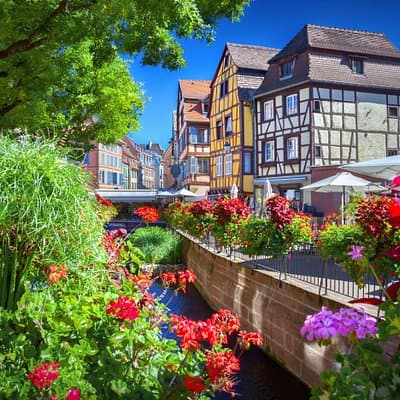
desde 170 €
Ver disponibilidad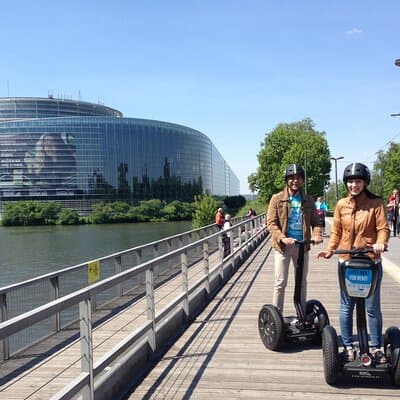
desde 60 €
Ver disponibilidad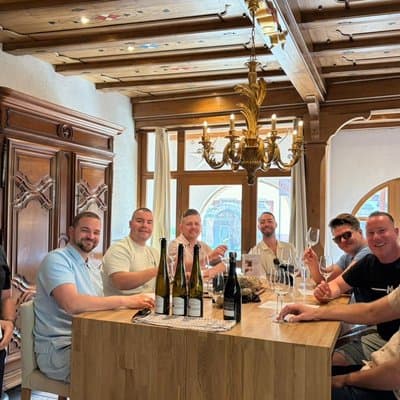
desde 98 €
Ver disponibilidadTours y precios de Viator, una empresa de Tripadvisor. Los precios cambian según las fechas. Podemos recibir una comisión si reservas, sin coste extra para ti.
Strasbourg's cuisine is the delicious result of its Franco-German heritage—rustic, hearty, and flavor-packed. Think sauerkraut elevated with fine wines and charcuterie, thin-crust 'tarts' topped with cream and bacon, and a pastry tradition that rivals Vienna's. The local wine culture, centered on aromatic white varietals, is integral to every meal.
These are often loud, convivial, and shared-table affairs. Don't be shy—embrace the communal spirit.
Order a 'traditionnelle' (onions, bacon, cream) first, then experiment with toppings like Munster cheese or mushrooms.
Book well in advance, especially for dinner. Lunch menus often offer excellent value at these higher-end establishments.
Try a 'Mannala', a sweet brioche shaped like a little man, traditionally eaten on St. Nicholas Day (December 6th).
Spring in Strasbourg is a gentle awakening. Chestnut trees blossom along the canals, outdoor café terraces begin to fill, and the city shakes off its winter coat. Temperatures are mild, perfect for long walks.
Pros:
Cons:
Summer is vibrant and lively, with long, sunny days and a festive atmosphere. The city is in full swing, with open-air concerts, bustling markets, and packed boat tours. Evenings are long and warm.
Pros:
Cons:
Autumn brings a painter's palette of colors to the city's parks and the surrounding vineyards. The air turns crisp, the summer crowds dissipate, and the culinary scene focuses on hearty harvest dishes and new wine.
Pros:
Cons:
Winter is pure magic in Strasbourg, centered entirely around the Christmas markets. The city becomes a fairy-tale village of lights, scents, and festive cheer. Post-Christmas, a quiet, frosty charm takes over.
Pros:
Cons:
Compara precios de trenes, autobuses y vuelos a Strasbourg
Introduce tu ciudad de salida para ver precios

30 min by train
Often called 'Little Venice,' Colmar is the quintessential Alsatian town, even more fairy-tale-like than Strasbourg. Its impeccably preserved old town is a maze of colorful half-timbered houses and flower-lined canals.
45 min by car / 1.5 hours by train+bus to Sélestat
Escape to the forested hills of the Vosges for hiking and panoramic views. The centerpiece is the imposing Haut-Koenigsbourg Castle, a meticulously restored medieval fortress offering a glimpse into Alsace's strategic past.
1 hour by train
Cross the Rhine into Germany's Black Forest for a day of ultimate relaxation and belle-époque grandeur. Baden-Baden is synonymous with luxurious thermal baths and a sophisticated casino culture.
Strasbourg is moderately priced for Western Europe. Costs spike dramatically during the Christmas market season (December) and summer. The city offers good value for mid-range travelers, with excellent public transport and many free or low-cost sights.
Budget
€60-90 per person for hostels, supermarket meals, free sights, and walking/trams.
per day
Mid-Range
€120-200 per person for a comfortable hotel/B&B, meals at casual restaurants, museum entries, and a boat tour.
per day
Luxury
€300+ per person for 4-5 star hotels, fine dining, private tours, and premium experiences.
per day
A special guided tour that takes you behind the famous 19th-century clock on the cathedral's south transept to see its intricate Renaissance mechanics.
Few tourists know this exists. You get up-close views of the clock's inner workings and automata, a perspective completely different from the crowded public show.
A vast, modern cross-border park spanning the Rhine River, connecting Strasbourg (France) with Kehl (Germany) via the elegant Passerelle Mimram footbridge.
It's a symbol of European unity and offers unique panoramic views of both countries, beautiful gardens, and a serene escape from the city bustle, popular with locals for picnics and cycling.
A historic wine cellar located in the basement of the city's Civil Hospital, dating back to 1395 and still used for aging wines.
It houses the world's oldest barrel of wine still in existence (from 1472) and offers fascinating tours that blend medical history, oenology, and medieval architecture.
A discreet, elegant 18th-century covered shopping arcade tucked away behind the Palais Rohan, connecting Place du Château to Rue des Juifs.
It feels like a secret, quieter version of Parisian passages, with charming boutiques and a beautiful glass roof, offering a glimpse into 18th-century urban planning.
A stunning, lesser-visited church with an incredible mix of architectural styles, from its Romanesque cloister to Gothic frescoes and a Baroque organ loft.
Overshadowed by the cathedral, it's a peaceful oasis of art and history. Its cloister, one of the oldest in Alsace, is a serene hidden courtyard in the middle of the city.
Strasbourg's culture is a unique and proud blend of French and German influences, known as 'Alsatian.' This is reflected in everything from the bilingual street signs (French and Alsatian dialect) to the cuisine and the architecture. Locals have a strong regional identity, seeing themselves as Alsatian first. The city is also profoundly international due to the European institutions, creating a cosmopolitan yet deeply rooted atmosphere.
Yes, Strasbourg is generally a very safe city for tourists. The historic center and main tourist areas are well-lit and patrolled. Standard precautions apply: be aware of pickpockets in crowded areas like Christmas markets and on trams, and keep valuables secure.
No, it's not a necessity. In tourist areas, restaurants, and hotels, English is widely spoken, especially by younger people and those working in tourism. However, learning a few basic French phrases is a sign of respect and will be warmly appreciated by locals.
Two full days is ideal to see the main highlights at a comfortable pace: one day for the Grande Île, cathedral, and Petite France, and another for a boat tour, a museum, and the European Quarter. Add an extra day if you plan a day trip to Colmar or the vineyards.
Absolutely, if you plan to visit at least two major paid attractions and use public transport. The 3-day pass (€21.50) includes a cathedral platform visit, one museum, a boat tour, and unlimited transport, easily saving you €15-20 compared to buying individually.
Walking is best for the compact historic center. For longer distances or to reach the European Quarter, the tram system is efficient, clean, and easy to use. Biking is also excellent, with many dedicated lanes and a city-wide bike-share scheme (Vélhop).
The Strasbourg Christmas markets (Christkindelsmärik) typically run from late November (around the 24th) until December 30th or 31st. The opening ceremony and most festive atmosphere are in early December, but the markets are less crowded on weekdays in late November and after Christmas.
Yes, the European Parliament in Strasbourg is open to visitors. You can take a guided tour (free, but must be booked in advance online) or visit the Parliamentarium interactive exhibition. Check the official website for plenary session dates, when you can observe debates from the visitors' gallery.
Alsatian wines are predominantly aromatic, dry white wines like Riesling, Gewürztraminer, Pinot Gris, and Sylvaner. They are excellent with the local cuisine. Try them in any traditional *winstub*, at dedicated wine bars like 'Le Bar à Vin', or on a day trip to the Route des Vins d'Alsace wine route villages.
Costes diarios habituales para un viajero, según los precios medios de France.
| Económico | Gama media | Cómodo | |
|---|---|---|---|
| Alojamiento (por noche) | 45 € | 105 € | 180 € |
| Comida y bebida (por día) | 18 € | 38 € | 75 € |
| Visitas y actividades (por día) | 8 € | 25 € | 55 € |
| Total por día | 71 € | 168 € | 310 € |
Las estimaciones no incluyen vuelos ni transporte de larga distancia. Compara los costes diarios entre ciudades
Hoteles cerca del centro de Estrasburgo, de económicos a lujo. Los precios son tarifas por noche habituales en nuestra última consulta.
 Económico
 Económico
 Gama media
 Gama media
 Superior
 Superior
 Lujo
 Lujo
Los precios de hotel proceden de Traveloka, consultados por última vez el 4 de febrero de 2026, y varían según tus fechas. Podemos recibir una comisión si reservas a través de nuestros enlaces, sin coste adicional para ti.
Conexiones populares en tren, autobús y avión, con tiempos de viaje y tarifas.
Deja que la IA cree el itinerario perfecto para tu viaje a Estrasburgo. Solo describe lo que quieres experimentar.
Planificar viaje a Estrasburgo

