
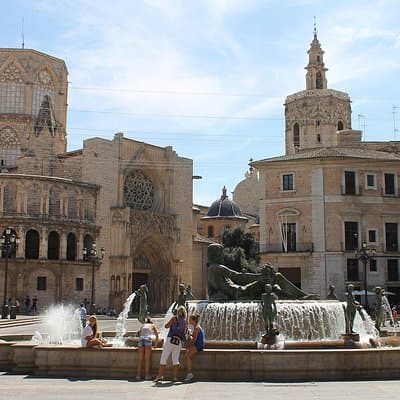
Visita al Casco Antiguo con Cata de Vinos y Tapas en Espacio Histórico del Siglo XI
5.03776 opiniones4h
desde 75 €
Ver disponibilidad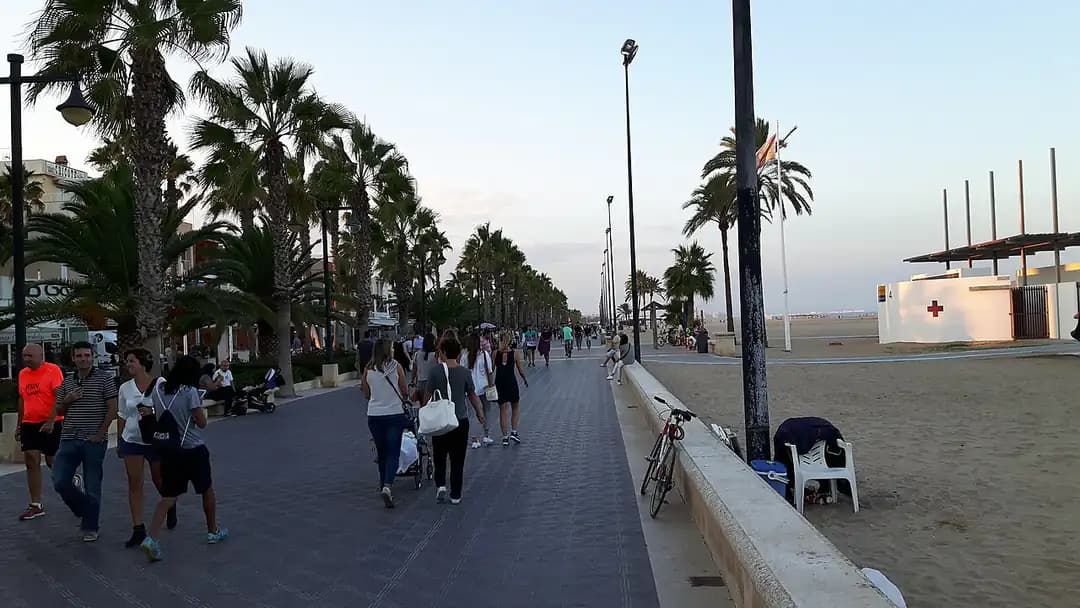
Spain
Valencia isn't just a city; it's a vibrant, sun-drenched contradiction where 21st-century sci-fi architecture rises from a 2,000-year-old Roman foundation. Forget generic Mediterranean charm—here you'll walk through a 9km-long riverbed-turned-park, the Turia Gardens, that connects the Gothic splendor of the Cathedral (home to what many believe is the Holy Grail) with the jaw-dropping, futuristic complex of the City of Arts and Sciences. This is the birthplace of paella, where you can taste the authentic version with rabbit and snails at a beachfront restaurant in Malvarrosa, then lose yourself in the sensory overload of the Central Market, a modernist masterpiece of iron and stained glass bursting with local oranges and saffron.
Beyond the postcard images, Valencia pulses with a unique local identity, expressed in its own language (Valencian) and the explosive, chaotic artistry of Las Fallas festival. It's a city that feels both grand and intimate, where you can cycle from ancient silk trade halls like La Lonja de la Seda to serene urban beaches within minutes. The light is different here—brighter, softer—casting a golden glow on orange tree-lined plazas and the intricate blue-and-white tiles of the Ceramics Museum, making every corner feel like a discovery.
A Culinary Pilgrimage to the Source: Valencia is the undisputed home of paella. Go beyond the tourist version and savor authentic Valencian paella cooked over orange wood fires at places like La Pepica on Malvarrosa Beach. Dive into the Central Market for fresh ingredients, sample horchata and fartons at an ancient horchatería, and explore a food culture deeply tied to its huerta (fertile farmland).
Architectural Time Travel: Witness a stunning dialogue between centuries. Marvel at the futuristic, biomorphic forms of Santiago Calatrava's City of Arts and Sciences, then walk through the Turia Gardens to the historic center, where Gothic, Romanesque, and Baroque styles converge at the Valencia Cathedral, the Silk Exchange (La Lonja), and the Serranos Towers.
Sun, Sand, and City Life: Enjoy a unique urban beach experience. The city's coastline, including Malvarrosa and Las Arenas beaches, is seamlessly connected by a promenade lined with restaurants and bars. You can swim in the Mediterranean, enjoy a leisurely lunch of fresh seafood, and be back exploring the old town's narrow streets all within the same day.
Festivals of Fire and Folklore: Experience Las Fallas, a UNESCO-listed festival in March where the city erupts with monumental satirical sculptures, nightly fireworks (mascletàs), and parades, culminating in their spectacular burning. Other celebrations like the Tribunal de las Aguas (Water Court) and the July Fair add layers of living tradition.
A Green Oasis in the City: Explore the incredible Turia Gardens, a 9-kilometer-long park created in the diverted riverbed of the River Turia. It's the city's green lung, perfect for cycling, jogging, or strolling past playgrounds, fountains, and cultural sites, connecting the City of Arts and Sciences directly to the Bioparc and the old city gates.
The Heart of the Huerta: Discover the agricultural soul of the region. Valencia is surrounded by a fertile plain, the Huerta, which supplies its famous oranges and vegetables. Visit the Albufera Natural Park, a freshwater lagoon and rice-growing area just south of the city, for stunning sunsets and to see where paella rice is cultivated.
¿Listo para explorar Valencia?
The historic heart of Valencia, a labyrinth of narrow medieval streets, grand plazas, and monumental buildings. This is where you'll feel the weight of history, from Roman ruins to the Gothic Silk Exchange.
Highlights:
Best for:
The bohemian and artistic soul of the old city, nestled within Ciutat Vella but with its own distinct, gritty-chic vibe. Known for its vibrant street art, quirky boutiques, and buzzing nightlife in intimate bars.
Highlights:
Best for:
A formerly working-class district transformed into the city's trendiest and most multicultural neighborhood. Bursting with independent designer shops, hipster cafes, innovative restaurants, and a fiercely local, creative energy.
Highlights:
Best for:
A district defined by the future. Centered on Santiago Calatrava's awe-inspiring City of Arts and Sciences complex, this area is modern, spacious, and home to the Turia Gardens' final stretch, offering a stark, beautiful contrast to the old town.
Highlights:
Best for:
Los tours y entradas que más reservan los viajeros, con valoraciones y opiniones de Viator.
desde 75 €
Ver disponibilidad
desde 70 €
Ver disponibilidad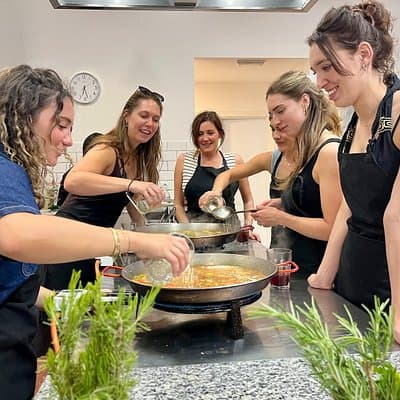
desde 65 €
Ver disponibilidad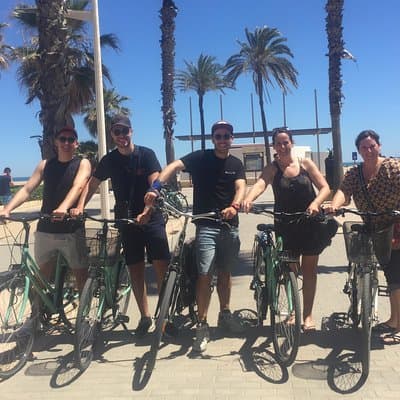
desde 35 €
Ver disponibilidadTours y precios de Viator, una empresa de Tripadvisor. Los precios cambian según las fechas. Podemos recibir una comisión si reservas, sin coste extra para ti.
Valencian cuisine is a celebration of the Mediterranean and the fertile huerta (market garden) that surrounds the city. It's fresh, seasonal, and deeply rooted in rice, vegetables, seafood, and olive oil. Dining is a social, leisurely affair, with lunch as the main meal.
Always order paella for lunch, not dinner, and expect a minimum cooking time of 20-25 minutes. It's meant to be shared.
Do a tapeo (tapas crawl) in Ruzafa or the old town. Stand at the bar for the best atmosphere and prices.
Book well in advance, especially for dinner. Many innovative restaurants are found in the Ruzafa neighborhood.
For the best churros, go in the morning or for an afternoon snack. Horchata is a refreshing drink, not a dessert.
Spring is arguably Valencia's finest season. The city is awash with blooming orange blossoms, temperatures are pleasantly warm (15-25°C), and the famous Las Fallas festival in March sets the city alight.
Pros:
Cons:
Long, hot, and sunny days dominate, with temperatures often reaching 30-35°C. The city's beach culture is in full swing, and there are numerous outdoor festivals and nightlife events.
Pros:
Cons:
A return to pleasant warmth after the summer heat. September and October offer sea temperatures still suitable for swimming, and the light is golden and beautiful, perfect for photography.
Pros:
Cons:
Mild and often sunny, with average highs around 15-17°C. While not for sunbathing, it's excellent for cultural sightseeing without the crowds. Christmas markets and decorations add charm.
Pros:
Cons:
Compara precios de trenes, autobuses y vuelos a Valencia
Introduce tu ciudad de salida para ver precios

20 min by car or bus (Line 25 from city center)
A serene freshwater lagoon and vital wetland south of Valencia, famous as the birthplace of paella rice. Take a traditional boat (albuferenc) ride at sunset for breathtaking views and visit the traditional fishing village of El Palmar for an authentic paella lunch.
1 hour by train from Valencia Nord Station
A historic town dominated by a massive, imposing castle that sprawls across a hilltop. It offers stunning panoramic views, a fascinating history (it was the birthplace of the Borgia popes), and a charming old town with Gothic architecture.
30 min by train from Valencia Nord Station
A town where history is literally layered, featuring a spectacular Roman theater carved into a hillside below an immense Iberian and medieval castle. It's a less crowded but deeply impressive historical site.
Valencia offers excellent value compared to Barcelona or Madrid. It's possible to enjoy its highlights on a modest budget, though costs rise during peak festival seasons like Las Fallas.
Budget
€50-70 per person for hostels, market meals, free sights, and public transport.
per day
Mid-Range
€100-150 per person for comfortable hotels/Airbnbs, restaurant meals, paid attractions, and some taxis.
per day
Luxury
€250+ per person for 4-5 star hotels, fine dining, private tours, and premium experiences.
per day
Housed in the historic Colegio del Arte Mayor de la Seda, this museum delves into Valencia's rich silk trade history, which funded much of the city's golden age architecture.
It's a beautifully preserved building with stunning interiors, offering a tangible connection to the wealth behind landmarks like La Lonja. Far less crowded than the major sites.
A traditional fishermen's quarter east of the port, known for its unique architecture: colorful, tile-fronted houses with intricate facades.
It feels like a village within the city, with an authentic, non-touristy vibe, great seafood restaurants, and a fascinating history of community preservation.
A giant, climbable sculpture of Gulliver from Gulliver's Travels, laid out in the Turia Gardens, designed as a massive playground for children.
It's an incredible piece of public art and play architecture that delights kids and surprises adults with its scale and creativity.
The bell tower of the Valencia Cathedral, offering 360-degree panoramic views over the old city's terracotta rooftops.
While the cathedral is popular, climbing the 207 steps of the Micalet at sunset provides a breathtaking, quiet moment with the best views in the city, as the light bathes the historic center in gold.
The network of historic irrigation canals and traditional farmhouses (alquerías) in the huerta just north of the city, accessible by bike.
It's a glimpse into the ancient agricultural system that feeds Valencia. You can cycle peaceful paths past orange groves and visit restored alquerías, feeling miles away from the urban buzz.
Valencian culture is a proud blend of Spanish and distinct regional identity, with its own language (Valencian), traditions like Las Fallas, and a deep connection to the land and sea. Life moves at a relaxed, sociable pace, centered around family, food, and outdoor living.
Valencia is generally a very safe city. Standard precautions apply: be aware of pickpockets in crowded tourist areas like the Central Market or on public transport, especially during festivals. Violent crime is rare.
No. In tourist areas, many people speak English. However, learning a few basic phrases in Spanish (or Valencian) is greatly appreciated and can enhance your experience, especially in local markets or smaller restaurants.
Walking and cycling are best for the compact historic center and Turia Gardens. For longer distances, the efficient and affordable metro and bus system is excellent. The Valenbisi public bike share is highly recommended for short trips.
Yes, the tap water is perfectly safe to drink. However, it is hard and has a strong taste of chlorine due to treatment. Most locals and restaurants serve bottled water, but you can drink from the tap without health concerns.
A minimum of 2-3 full days is recommended to see the major highlights of the old town, the City of Arts and Sciences, and relax at the beach. To explore more deeply, including day trips to Albufera, 4-5 days is ideal.
Dress is generally casual and comfortable. Bring good walking shoes. In summer, light clothing, a hat, and sunscreen are essential. For visiting churches, have something to cover shoulders and knees. Evenings can be breezy, so a light jacket is useful year-round.
Valencia is more affordable than other major Spanish cities like Barcelona or Madrid. Meals, accommodation, and attractions offer good value for money, though prices spike significantly during the Las Fallas festival in March.
Spain uses 230V and plug types C and F (the standard two-round-pin European plug). Travelers from the US, UK, or other regions will need a power adapter.
Costes diarios habituales para un viajero, según los precios medios de Spain.
| Económico | Gama media | Cómodo | |
|---|---|---|---|
| Alojamiento (por noche) | 40 € | 100 € | 170 € |
| Comida y bebida (por día) | 15 € | 32 € | 62 € |
| Visitas y actividades (por día) | 8 € | 20 € | 45 € |
| Total por día | 63 € | 152 € | 277 € |
Las estimaciones no incluyen vuelos ni transporte de larga distancia. Compara los costes diarios entre ciudades
Hoteles cerca del centro de Valencia, de económicos a lujo. Los precios son tarifas por noche habituales en nuestra última consulta.
 Económico
 Económico
 Gama media
 Gama media
 Superior
 Superior
 Lujo
 Lujo
Los precios de hotel proceden de Traveloka, consultados por última vez el 4 de febrero de 2026, y varían según tus fechas. Podemos recibir una comisión si reservas a través de nuestros enlaces, sin coste adicional para ti.
Conexiones populares en tren, autobús y avión, con tiempos de viaje y tarifas.
Deja que la IA cree el itinerario perfecto para tu viaje a Valencia. Solo describe lo que quieres experimentar.
Planificar viaje a Valencia

