Quito em 7 dias
Plaza de la Independencia, Basílica del Voto Nacional e Calle La Ronda no dia 1, La Compañía Church e TelefériQo Cable Car no dia 2 e uma excursão a Mitad del Mundo & Pululahua Geobotanical Reserve no dia 3. Os outros 4 dias acrescentam La Mariscal, uma excursão a Otavalo Indigenous Market, uma excursão a Cotopaxi National Park e La Floresta. Fique em Centro Histórico (Old Town), a zona mais próxima das paragens do roteiro.
Custa cerca de € 588 por pessoa em gama média, ou € 252 em modo económico.
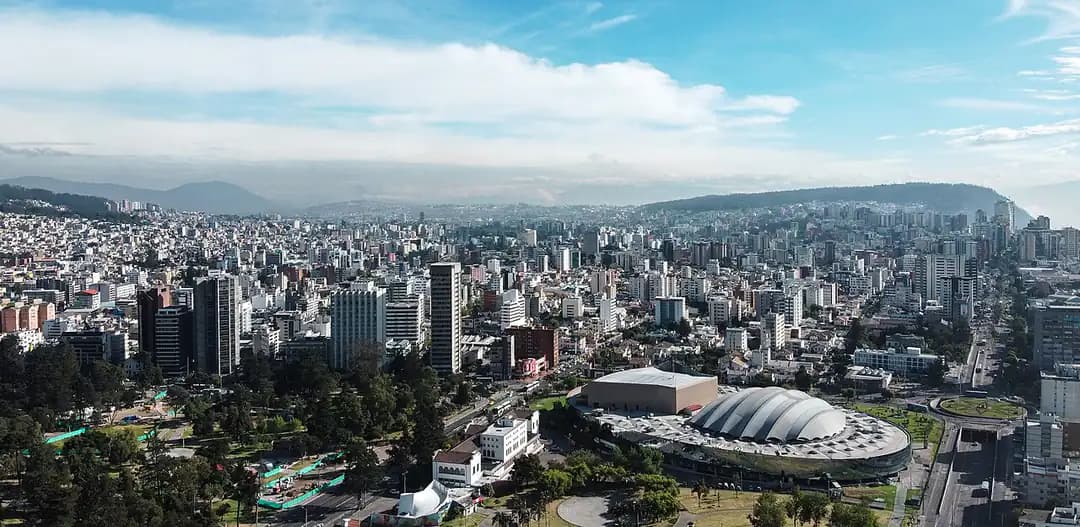
Dia 1: Plaza de la Independencia, Basílica del Voto Nacional e Calle La Ronda
The heart and soul of Quito, this UNESCO World Heritage site is a labyrinth of steep, cobblestone streets lined with magnificent Spanish colonial and Baroque architecture.
Manhã
Plaza de la Independencia
Zona: Centro Histórico.
Fim da manhã
Basílica del Voto Nacional
Zona: Centro Histórico.
Para comer
Traditional & Mercado Food
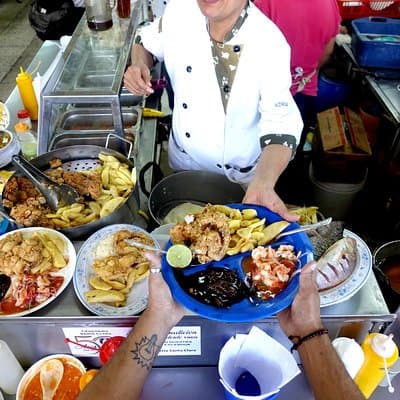
Go for lunch when the markets are most lively and the food is freshest. A 'plato del día' costs $3-$5.
Onde ir: Seco de Chivo at Mercado Central, Hornado at Mercado Santa Clara, Llapingachos con chorizo at a local fritada
Tarde
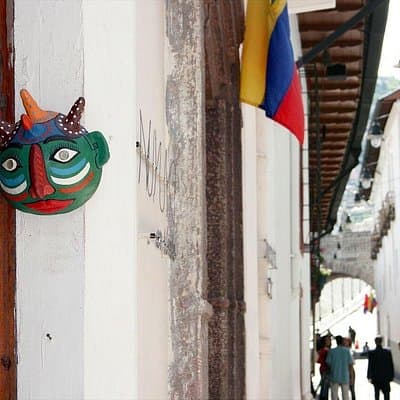
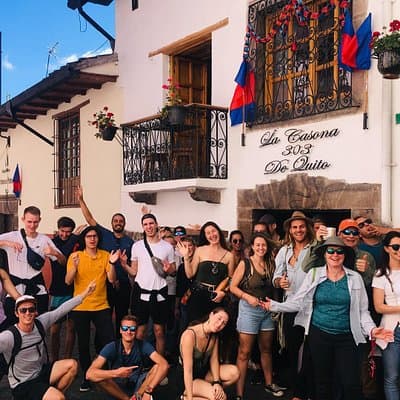
Calle La Ronda
Zona: Centro Histórico.
Noite
Museo Casa del Alabado
A stunning pre-Columbian art museum housed in a beautifully restored 17th-century colonial house in the Old Town.
Dia 2: La Compañía Church e TelefériQo Cable Car
Manhã
La Compañía Church
Para comer
Street Food & Snacks
Look for vendors with a steady stream of locals. Freshly fried empanadas are safest and most delicious.
Onde ir: Empanadas de Viento from a street vendor, Tortillas de Maíz con Queso, Helado de Paila (artisanal fruit sorbet) in the Historic Center
Tarde
TelefériQo Cable Car
Noite
Itchimbía Park and Cultural Center
A hilltop park east of the Historic Center, crowned by the striking Palacio de Cristal (Crystal Palace), a glass and iron structure.
Dia 3: excursão a Mitad del Mundo & Pululahua Geobotanical Reserve
45 min by bus or taxi from Quito.
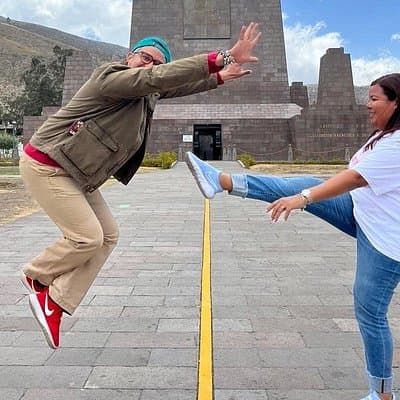
Stand on the equatorial line at the iconic Mitad del Mundo monument complex. Then, venture to the nearby Pululahua Crater, one of the few inhabited volcanic craters in the world, for breathtaking hikes and views.
O essencial: Photo at the Equator line monument, Interactive experiments at Intiñan Museum, Hike into the Pululahua Crater, Viewpoint over the crater's farmland
Dia 4: La Mariscal e Yaku Water Museum
Manhã
La Mariscal (Gringolandia)
The city's primary tourist and nightlife district, known for its grid of streets filled with hostels, bars, restaurants, travel agencies, and souvenir shops. It's energetic, convenient, and social, but can be noisy.
Também aqui: Plaza Foch, Mercado Artesanal, Numerous tour operators, Variety of international restaurants
Para comer
Contemporary Quiteño
Reservations are recommended for these popular, higher-end restaurants showcasing Ecuadorian gastronomy.
Onde ir: Nuema (tasting menu with local ingredients), Urko Cocina Local (modern Andean cuisine), Miskay (creative takes on traditional dishes)
Tarde
Yaku Water Museum
A interactive water-themed museum located in a historic water pumping plant on the slopes of Pichincha.
Dia 5: excursão a Otavalo Indigenous Market
2 hours by bus or 1.5 hours by car.
Visit one of South America's most famous and vibrant indigenous markets. The Saturday market is legendary for its textiles, handicrafts, and livestock, but the Plaza de los Ponchos has artisanal goods every day.
O essencial: Bargain for textiles in Plaza de los Ponchos, See the animal market, Visit Peguche Waterfall nearby, Try local bizcochos in Cayambe
Dia 6: excursão a Cotopaxi National Park
1.5 - 2 hours by car.
Journey to the foot of one of the world's highest active volcanoes. The park offers stunning high-altitude landscapes, chances to see wild horses, and hikes to the José Rivas refuge or around Limpiopungo Lake.
O essencial: Views of the perfect cone of Cotopaxi, Hike to the Refugio at 4,800m, Walk around Limpiopungo Lake, Spot wild horses and llamas
Dia 7: La Floresta e Calle de las Siete Cruces
Manhã
La Floresta
A trendy, bohemian neighborhood known as Quito's cultural and artistic quarter. It's characterized by its quiet, tree-lined streets, colorful houses, independent art galleries, hip cafes, and innovative restaurants.
Também aqui: Capilla del Hombre, Ocho y Medio Independent Cinema, Numerous art galleries & cultural centers, Boutique cafes & eateries
Tarde
Calle de las Siete Cruces
A single block in the Historic Center where you can see seven different historic crosses, each with its own story and chapel.
Noite
La Ronda at 10 AM
Visiting the famous Calle La Ronda not at night, but in the quiet of the morning.
Antes de ir
Do aeroporto
From Mariscal Sucre Airport (UIO), the official taxi fare to the city center (La Mariscal) is a fixed $25-30, payable at the official taxi booth inside the terminal. The public bus (green 'Aeroservicios' bus) costs $8 and goes to the 'Rio Coca' station in the north, from where you can connect to the Ecovía bus system.
Como se deslocar
The Historic Center is very walkable and best explored on foot, though its steep hills can be challenging. Neighborhoods are often separated by distance and topography, so you'll need transport to move between them.
Dicas locais
- Acclimate to the altitude slowly. Drink plenty of water, avoid heavy meals and alcohol on your first day, and consider coca tea (mate de coca) to help with soroche (altitude sickness).
- The weather can change in an instant. Always carry a light jacket or sweater, even on sunny days, as temperatures drop quickly, especially after sunset.
- For the best views without the TelefériQo crowds, hike up to the Virgen del Panecillo (the giant winged statue) early in the morning. Take a taxi to the base and walk up for safety.