
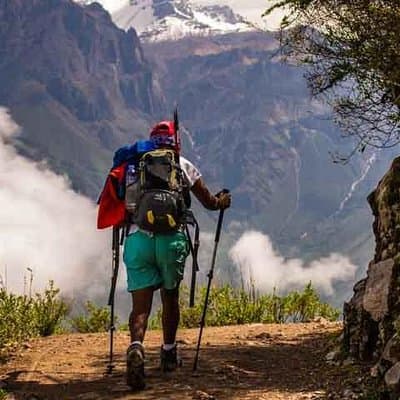
Trekking de 2 dias e 1 noite no Cânion do Colca
4.81.123 avaliações48h
a partir de € 82
Ver disponibilidade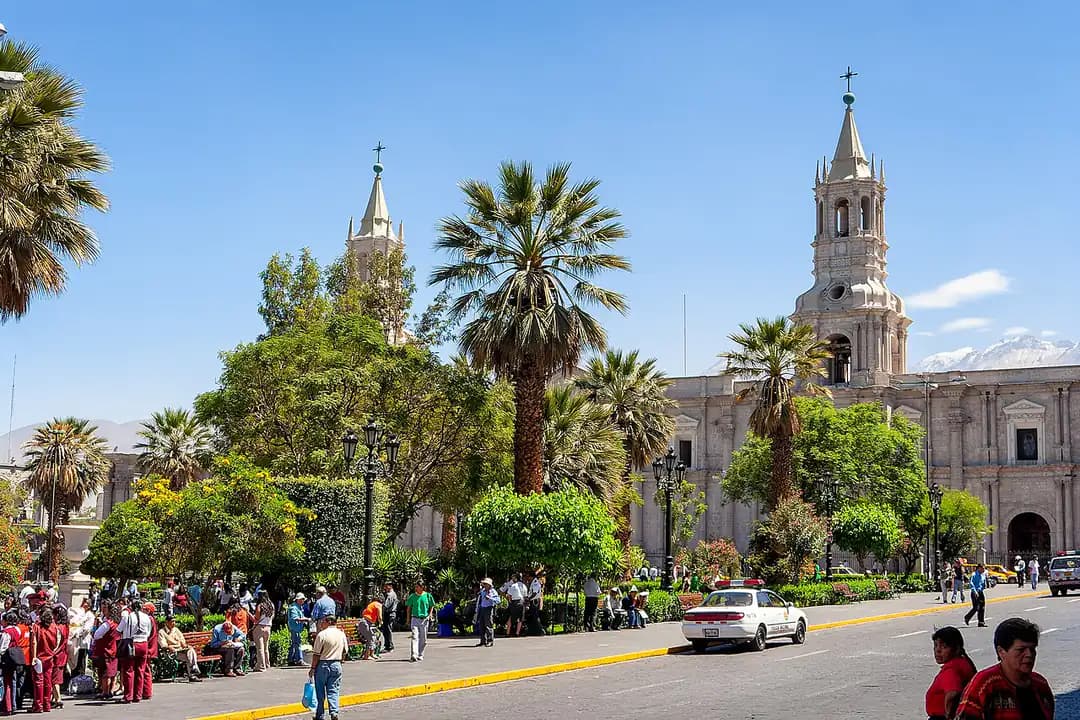
Peru
Arequipa isn't just a city; it's a dramatic landscape of human ambition carved from volcanic rock. The entire historic center, a UNESCO World Heritage site, glows with the pearlescent white of sillar stone, quarried from the surrounding volcanoes that stand as silent, snow-capped sentinels. This is a city where you can wander through the 'city within a city' of the Santa Catalina Monastery, a labyrinth of cloisters painted in bold ochers and blues, then gaze upon the perfectly preserved Inca mummy, Juanita, who reveals ancient secrets from her icy tomb on Misti Volcano.
Beyond its stunning architecture, Arequipa thrums with a fiery culinary spirit, claiming to be the birthplace of Peru's most iconic dishes. The energy here is palpable, from the bustling Mercado San Camilo to the serene Yanahuara viewpoint, where arches frame a postcard-perfect view of El Misti. It’s also the essential gateway to one of the world's deepest canyons, where Andean condors soar on thermal currents, connecting urban elegance with raw, high-altitude adventure in a way few cities can.
Architectural Grandeur in Volcanic Stone: Explore the UNESCO-listed historic center, where the Cathedral and the Compañía de Jesús church showcase intricate Baroque mestizo facades carved from white sillar. The Santa Catalina Monastery is a 20,000-square-meter miniature city of colorful streets, plazas, and cloisters frozen in the 16th century.
Gateway to the Colca Canyon: Embark on a journey to one of the world's deepest canyons, twice as deep as the Grand Canyon. Witness the majestic flight of Andean condors at Cruz del Cóndor, visit traditional villages like Chivay and Yanque with their thermal baths, and trek through breathtaking terraced landscapes.
A Culinary Capital: Savor the origin of Peruvian classics like rocoto relleno (stuffed spicy pepper) and adobo arequipeño (pork stew). Dive into the vibrant picanterías, traditional family-run restaurants, for a multi-course culinary adventure you won't find in Lima.
Living Volcanoes & Epic Landscapes: Stand in the shadow of the perfect cone of El Misti volcano (5,822m). Explore the otherworldly terrain of the Salinas and Aguada Blanca National Reserve, home to vicuñas and flamingos, with the volcanoes Misti, Chachani, and Pichu Pichu dominating the horizon.
Rich Cultural Tapestry & History: Discover the 'Ice Maiden' Juanita, an Inca mummy sacrificed atop Mount Ampato and remarkably preserved. Delve into the city's colonial past at the Museo Santuarios Andinos and witness the blend of Spanish and indigenous influences in its art and festivals.
Perfect Climate & Scenic Vistas: Enjoy 'eternal spring' weather year-round. Take in panoramic city views framed by ornate sillar arches at the Mirador de Yanahuara, or enjoy a quieter perspective from the Carmen Alto overlook in the countryside.
Pronto para explorar Arequipa?
The UNESCO World Heritage heart of Arequipa, defined by its glowing white sillar architecture, grand plazas, and historic monasteries. The vibe is bustling, cultural, and deeply atmospheric, with centuries of history around every corner.
Highlights:
Best for:
A charming, quieter district across the Chili River, known for its narrow cobblestone streets, traditional casonas (mansions), and the iconic mirador (viewpoint). It offers a more residential, romantic, and laid-back feel with stunning volcano views.
Highlights:
Best for:
A district perched on a hillside further from the center, offering some of the most spectacular, unobstructed views of the Misti Volcano and the city below. It's a mix of local life, viewpoints, and a few key attractions.
Highlights:
Best for:
A green, residential area centered around a large park, offering a peaceful retreat from the downtown bustle. It's popular with locals for recreation and is home to several museums and quieter accommodations.
Highlights:
Best for:
Os passeios e ingressos que os viajantes mais reservam, com avaliações da Viator.
a partir de € 82
Ver disponibilidade
a partir de € 15
Ver disponibilidade
a partir de € 27
Ver disponibilidadePasseios e preços da Viator, uma empresa Tripadvisor. Os preços mudam conforme as datas. Podemos receber uma comissão se você reservar, sem custo extra.
Arequipa proudly declares itself the culinary capital of Peru, home to the traditional 'picanterías.' These are vibrant, often family-run establishments where food is a social event, featuring hearty, spicy, and complex dishes rooted in Andean and Spanish traditions. The city's cuisine is famously picante (spicy), led by the local rocoto pepper.
Go for lunch (after 12:30 PM) as many picanterías are only open midday. Be prepared for a multi-course meal.
Peruvians eat ceviche primarily for lunch, as it's considered unsafe to eat raw fish later in the day.
Mercado San Camilo is the best place to try local fruits, cheeses, and observe daily life. Be mindful of your belongings.
Reservations are recommended, especially at Zig Zag. This is where traditional ingredients meet modern culinary techniques.
Spring (September to November) is the dry season's beginning. Days are warm and sunny with very little rain, and the countryside is starting to green up after the winter.
Pros:
Cons:
Summer (December to March) is the rainy season. Days can be warm with brief but heavy afternoon showers. The surrounding mountains become lush and green.
Pros:
Cons:
Autumn (April and May) marks the end of the rainy season. Rainfall decreases, skies clear, and temperatures remain mild, making it a lovely transitional period.
Pros:
Cons:
Winter (June to August) is the peak dry season. Days are sunny and clear with intense sun, but nights are very cold, especially at higher altitudes like Colca Canyon.
Pros:
Cons:
Compare preços de trens, ônibus e voos para Arequipa
Digite sua cidade de partida para ver preços

3-4 hours by bus or tour van
A journey into one of the world's deepest canyons, famous for its soaring Andean condors, pre-Inca terraces, and traditional villages. It's a landscape of immense scale and beauty.
1.5-2 hours by car/tour
A high-altitude plateau flanked by volcanoes, this reserve is a stark, beautiful landscape of grasslands, salt flats, and lakes, home to wild vicuñas, alpacas, and flamingos.
30-45 minutes by taxi or tour
Visit the volcanic stone quarries where Arequipa's iconic white sillar is extracted. See where the city's buildings originated and witness artisans carving the soft rock.
Arequipa is generally affordable for travelers, especially compared to Lima or Cusco. Costs are moderate, with excellent value in food and mid-range accommodations.
Budget
$25-40 USD (90-150 PEN) for budget travelers (hostel dorm, street food/menus, public transport)
per day
Mid-Range
$60-100 USD (220-370 PEN) for comfortable private rooms, restaurant meals, tours, and taxis
per day
Luxury
$150+ USD (550+ PEN) for boutique hotels, fine dining, and private guided experiences
per day
A beautiful 18th-century water mill set in countryside gardens, powered by water from a spring.
It's a peaceful, picturesque escape just outside the city, offering a glimpse into colonial-era technology and lovely gardens with views of Misti.
An old, abandoned iron foundry with dramatic industrial ruins being reclaimed by nature.
A fascinating spot for urban explorers and photographers, offering a stark contrast to the city's pristine colonial architecture.
A historic mansion housing a serene and beautiful public library with a peaceful courtyard.
Escape the crowds and enjoy a moment of quiet among old books in one of Arequipa's most elegant traditional houses, often overlooked by tourists.
A cave complex located within the Salinas and Aguada Blanca National Reserve, featuring ancient rock art.
It contains over 500 rock paintings dating back 6,000-8,000 years, depicting camelids and hunters, and sees far fewer visitors than more famous sites.
The oldest neighborhood in Arequipa, a tiny maze of narrow, winding alleys and small plazas built from sillar.
It feels like stepping back in time to the city's very foundations, offering an intimate and authentic atmosphere away from the grand plazas.
Arequipeños are proud, courteous, and have a strong regional identity, often considering themselves distinct from other Peruvians. The culture blends deep Spanish colonial roots with resilient indigenous traditions, evident in its food, festivals, and Baroque mestizo architecture. Family, religion, and tradition are central pillars of life here.
Yes, Arequipa is generally considered one of Peru's safest cities for travelers. Standard precautions apply: be aware of your belongings in crowded markets, use official taxis, and avoid isolated areas at night. The historic center is well-patrolled and busy into the evening.
Yes, Arequipa sits at 2,335 meters (7,661 ft). While not as high as Cusco, altitude sickness (soroche) can still occur. Spend your first day relaxing, drink plenty of water, avoid alcohol, and sip coca tea. If visiting Colca Canyon (3,600m+), acclimatize in Arequipa for at least a full day first.
A minimum of 2 full days is recommended: one for the city's historic center and Santa Catalina Monastery, and another for a day trip to Colca Canyon (though an overnight trip is better). To fully enjoy the city, its food, and perhaps another day trip, 3-4 days is ideal.
Yes, but it's logistically challenging. You can take public buses to Chivay and then to Cabanaconde for trekking, but you'll need to arrange your own lodging, guides for hikes, and transport to viewpoints. For most travelers, a well-organized 2-day tour from Arequipa offers the best balance of experience, convenience, and value.
The most scenic and popular way is by tourist bus (e.g., via Inka Express or Peru Hop) which takes 10 hours but includes guided stops at key sights like the Sistine Chapel of the Americas in Andahuaylillas. Direct buses are cheaper and faster (9-10 hrs). Flights are quick (1 hr) but miss the beautiful landscapes.
Arequipa's cuisine is known for being picante (spicy), primarily due to the use of rocoto peppers. Dishes like rocoto relleno are famously hot. However, the spice level is often adjustable, and many other dishes are mild. Always ask '¿Es picante?' if you're sensitive to spice.
It's very helpful. While staff at hotels, tour agencies, and upscale restaurants often speak some English, in markets, local picanterías, and with taxi drivers, Spanish is essential. Learning a few basic phrases will greatly enhance your experience and is appreciated by locals.
Pack for sun and cold. Essentials include: a sun hat, high-SPF sunscreen, sunglasses, layers (t-shirt, fleece, down jacket), a warm hat and gloves for Colca nights, sturdy walking shoes, a refillable water bottle, and a daypack. The sun is intense during the day, but temperatures drop sharply at night.
Custos diários habituais para um viajante, com base nos preços médios em Peru.
| Econômico | Intermediário | Confortável | |
|---|---|---|---|
| Hospedagem (por noite) | € 20 | € 50 | € 105 |
| Comida e bebida (por dia) | € 9 | € 20 | € 40 |
| Passeios e atividades (por dia) | € 6 | € 18 | € 42 |
| Total por dia | € 35 | € 88 | € 187 |
As estimativas não incluem voos nem transporte de longa distância. Compare os custos diários entre cidades
Hotéis perto do centro de Arequipa, do econômico ao luxo. Os preços são diárias habituais na nossa última consulta.
 Econômico
 Econômico
 Intermediário
 Intermediário
 Superior
 Superior
 Luxo
Os preços dos hotéis vêm da Traveloka, consultados pela última vez em 4 de fevereiro de 2026, e variam conforme as datas. Podemos receber uma comissão se você reservar pelos nossos links, sem custo adicional para você.
Deixe a IA criar o roteiro perfeito para sua viagem a Arequipa. Apenas descreva o que você quer experimentar.
Planejar viagem para Arequipa

