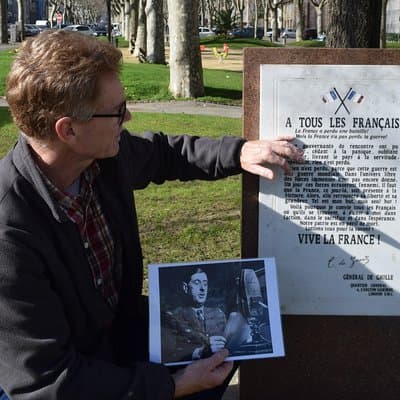
Carcassonne durante a Segunda Guerra Mundial
5.0163 avaliações2h 15m
a partir de € 20
Ver disponibilidade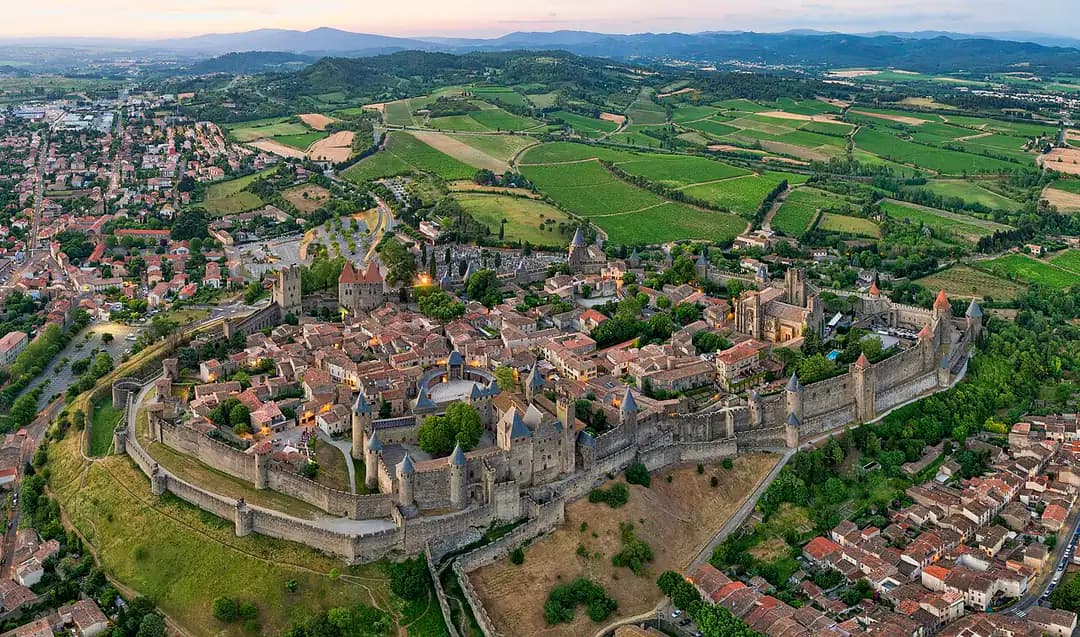
France
Carcassonne isn't just a medieval city; it's a living, breathing fortress where history echoes from every stone. Walking the 3km-long double ramparts, you'll pass 52 distinct towers, each with its own story, from the strategic Narbonnaise Gate to the imposing Tour du Trésau. This UNESCO site is a masterclass in 19th-century restoration by Viollet-le-Duc, creating a vision of the Middle Ages so perfect it inspired fairy tales and Hollywood films.
Beyond the iconic silhouette, Carcassonne's soul is found in its layers. Explore the Château Comtal's inner keep, stand beneath the stunning stained glass of the Basilique Saint-Nazaire, and then descend to the Bastide Saint-Louis below. Here, the 17th-century grid of the Ville Basse offers a vibrant contrast, with its own charm centered around the Place Carnot and the serene Canal du Midi, a UNESCO site in its own right, perfect for a shaded stroll.
Walk a Living Fortress: Experience the sheer scale of Europe's largest fortified city by strolling the complete 3km circuit of its double walls. Climb the Tour Pinte for panoramic views and explore the inner Château Comtal to see the archaeological museum and walk the wooden hoardings.
Dive into Cathar History: Discover the dramatic legacy of the Cathars, a medieval religious sect. The city was a key stronghold during the Albigensian Crusade. Visit the Musée de l'Inquisition to understand the period's conflicts and see the siege engines used against the walls.
Taste Authentic Cassoulet: Indulge in the city's signature dish, a hearty slow-cooked casserole of white beans, duck confit, pork, and sausage. Try it at legendary spots like Le Comte Roger or Chez Fred in the citadel for the definitive, rich Languedoc experience.
Explore Two Cities in One: Contrast the fairy-tale citadel (La Cité) with the elegant, plane tree-lined squares of the lower town (Bastide Saint-Louis). Cross the Pont Vieux for this journey from the 12th to the 18th century, enjoying the vibrant market at Place Carnot.
Witness Spectacular Events: Time your visit for the July Medieval Festival, when the citadel transforms with jousting, falconry, and costumed performers. Alternatively, experience the breathtaking July 14th fireworks display, which illuminates the entire fortress.
Relax by the Canal du Midi: Unwind along this 17th-century engineering marvel, a UNESCO World Heritage site. Rent a bike or take a peaceful walk along the towpath under the canopy of plane trees, or enjoy a boat cruise from the Port de Carcassonne.
Pronto para explorar Carcassonne?
The iconic, walled heart of Carcassonne, a fully preserved medieval fortress perched on a hill. Its cobbled streets are lined with shops, museums, and restaurants, all within the embrace of the towering ramparts. The vibe is historic, tourist-focused, and utterly magical, especially at night when the crowds thin.
Highlights:
Best for:
The elegant, planned 'new town' built after the 13th-century crusade, characterized by a geometric grid of streets. Centered around the fountain-adorned Place Carnot, it's the lively commercial and residential hub with a more local, everyday French atmosphere.
Highlights:
Best for:
The charming historic district nestled in the valley between the citadel and the lower town, crossed by the Pont Vieux. Once the artisan quarter, it retains a village-like feel with narrow lanes, traditional houses, and small squares, offering fantastic views of the fortress.
Highlights:
Best for:
A serene, green linear neighborhood following the UNESCO-listed canal. The area is defined by peaceful walking and cycling paths under centuries-old plane trees, dotted with houseboats, locks, and waterside cafes. It's a world away from the bustle of the city centers.
Highlights:
Best for:
Os passeios e ingressos que os viajantes mais reservam, com avaliações da Viator.
a partir de € 20
Ver disponibilidade
a partir de € 160
Ver disponibilidade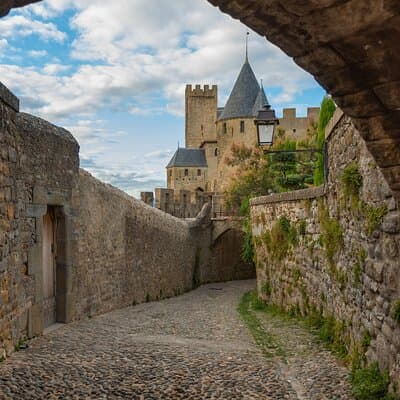
a partir de € 14
Ver disponibilidade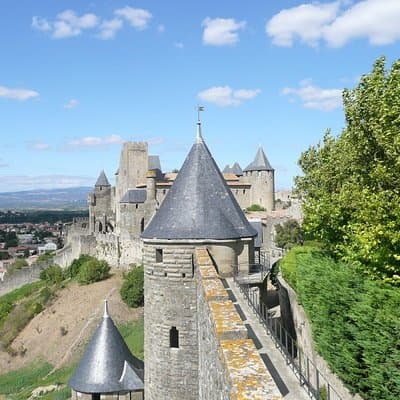
a partir de € 155
Ver disponibilidadePasseios e preços da Viator, uma empresa Tripadvisor. Os preços mudam conforme as datas. Podemos receber uma comissão se você reservar, sem custo extra.
Carcassonne's cuisine is hearty, rustic, and deeply rooted in the Languedoc region. It's a land of slow-cooked meats, rich duck confit, and robust wines. The undisputed king is cassoulet, but the food scene also celebrates local game, river fish from the Aude, and excellent charcuterie.
It's a heavy, slow-cooked dish; best enjoyed for lunch to have time to digest.
Go to the market hungry and assemble a picnic to enjoy by the Canal du Midi.
These spots often offer creative twists on regional classics in a more contemporary setting.
Try local Corbières, Minervois, or Limoux (sparkling) wines by the glass with a plate of charcuterie.
Spring (April-May) sees the landscape bloom, with mild temperatures perfect for exploring. The crowds are manageable, and the countryside is lush.
Pros:
Cons:
Summer (June-August) is peak season, with hot, sunny days and a full calendar of festivals. The citadel is vibrant but very crowded.
Pros:
Cons:
Autumn (September-October) offers golden light, warm days, and cooler nights. The grape harvest begins, and the tourist rush subsides.
Pros:
Cons:
Winter (November-March) is quiet and chilly, with a chance of frost or mist that adds a mystical atmosphere to the fortress.
Pros:
Cons:
Compare preços de trens, ônibus e voos para Carcassonne
Digite sua cidade de partida para ver preços

30 min by train or car
The self-proclaimed 'world capital of cassoulet.' Visit to explore the rival recipe, see the Grand Bassin (the largest canal basin on the Canal du Midi), and learn about the dish's history.
40 min by car
Famous for its sparkling wine, Blanquette de Limoux, which predates Champagne. The town is charming, and the surrounding countryside is dotted with excellent vineyards for tastings.
40 min by car
A dramatic site featuring the ruins of four Cathar castles perched on a single rocky ridge. A challenging but rewarding hike offers incredible views and a deep dive into Cathar history.
Carcassonne can be visited on a range of budgets. The citadel has premium prices, but the lower town offers good value. Major costs are accommodation (especially in summer) and entrance fees to key sites.
Budget
€50-80 per person (dorm/hostel, market picnics, free sights, walking)
per day
Mid-Range
€100-180 per person (3-star hotel/B&B, restaurant meals, paid attractions, local transport)
per day
Luxury
€250+ per person (4/5-star hotel in/under the citadel, fine dining, private tours, taxis)
per day
A tiny, serene public garden hidden behind the Basilica Saint-Nazaire in the citadel.
It offers a quiet, shaded bench with a stunning, less-photographed view over the lower town and the Pyrenees in the distance, away from the main tourist thoroughfares.
A recreational lake and park located just a 10-minute drive north of the city.
It's a favorite local spot for swimming, paddleboarding, walking, and picnicking, offering a complete change of pace from the historical sites with beautiful natural scenery.
A 17th-century Jesuit chapel in the Bastide, now a venue for art exhibitions and cultural events.
Its stunning, ornate Baroque interior with a magnificent painted ceiling is a surprising artistic treasure often overlooked by visitors focused solely on the medieval architecture.
The grassy strip of land between the citadel's two concentric walls.
Walking here feels like stepping back in time. It's quieter than the inner streets and gives you a true sense of the fortress's immense defensive scale and strategic design.
A family-run winery in the nearby village of Pezens, a short drive from Carcassonne.
It offers intimate, personal tastings of excellent local organic wines (Corbières) in a rustic setting, far from the commercialized wine tour routes.
Carcassonne's culture is a blend of deep Languedoc pride, a strong connection to its Cathar and medieval past, and a relaxed, southern French pace of life. Festivals, food, and wine are central to social life, and there's a tangible sense of living within a monument.
A full day is sufficient to see the main highlights of the citadel and lower town. To explore more thoroughly, including the ramparts walk, museums, and a relaxed pace, plan for 2 days. This also allows time for a boat trip on the canal or a short day trip.
Access is challenging due to the historic nature of the site. The citadel's streets are cobbled and hilly, and the ramparts have many steps. The lower town (Bastide) is flatter and more accessible. Some hotels and newer restaurants have facilities, but it's best to contact specific venues in advance.
Yes, there are several hotels and guesthouses within the walls, including the famous Hôtel de la Cité. Staying overnight is a magical experience, as you have the citadel almost to yourself after the day-trippers leave. Book well in advance, especially in summer.
From the Gare de Carcassonne, you can take a local bus (Line 4 direction 'La Cité') or a taxi (approx. €10). Alternatively, it's a pleasant 30-minute walk: exit the station, head towards the visible fortress, and cross the Pont Vieux bridge.
Absolutely. The entry fee grants access to the inner keep, an excellent museum with archaeological finds, and most importantly, the walk along the inner ramparts and wooden hoardings. This provides the best close-up views of the towers and defensive architecture.
The classic panoramic view is from the opposite bank of the Aude River, accessible by crossing the Pont Vieux. For a closer, elevated view, walk up to the Jardin du Calvaire behind the basilica. At night, the view from the lower town of the illuminated fortress is spectacular.
Yes. The main train station (Gare SNCF) has paid luggage lockers. Some hotels may also hold bags for guests before check-in or after check-out. There is no left luggage facility directly at the citadel gates.
Look for local food products: a tin of cassoulet, duck confit, or foie gras from the market; a bottle of Corbières or Blanquette de Limoux wine; or herbes de Provence. For non-food items, medieval-themed replicas, local pottery, or Cathar cross jewelry are popular.
Custos diários habituais para um viajante, com base nos preços médios em France.
| Econômico | Intermediário | Confortável | |
|---|---|---|---|
| Hospedagem (por noite) | € 45 | € 105 | € 180 |
| Comida e bebida (por dia) | € 18 | € 38 | € 75 |
| Passeios e atividades (por dia) | € 8 | € 25 | € 55 |
| Total por dia | € 71 | € 168 | € 310 |
As estimativas não incluem voos nem transporte de longa distância. Compare os custos diários entre cidades
Hotéis perto do centro de Carcassonne, do econômico ao luxo. Os preços são diárias habituais na nossa última consulta.
 Econômico
 Econômico
 Intermediário
 Intermediário
 Superior
 Superior
 Luxo
 Luxo
Os preços dos hotéis vêm da Traveloka, consultados pela última vez em 4 de fevereiro de 2026, e variam conforme as datas. Podemos receber uma comissão se você reservar pelos nossos links, sem custo adicional para você.
Conexões populares de trem, ônibus e avião, com tempos de viagem e tarifas.
Deixe a IA criar o roteiro perfeito para sua viagem a Carcassonne. Apenas descreva o que você quer experimentar.
Planejar viagem para Carcassonne