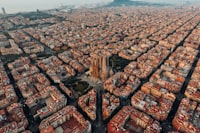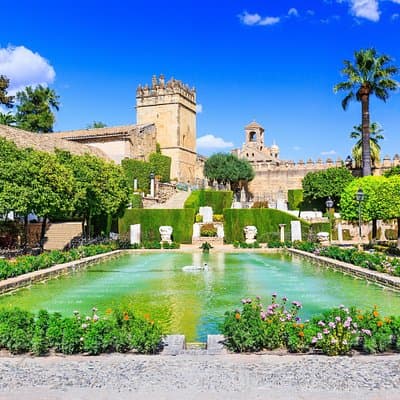
Mesquita-Catedral, Alcazar & Quartier Judaico com Bilhetes
4.6940 avaliações3h
a partir de € 50
Ver disponibilidade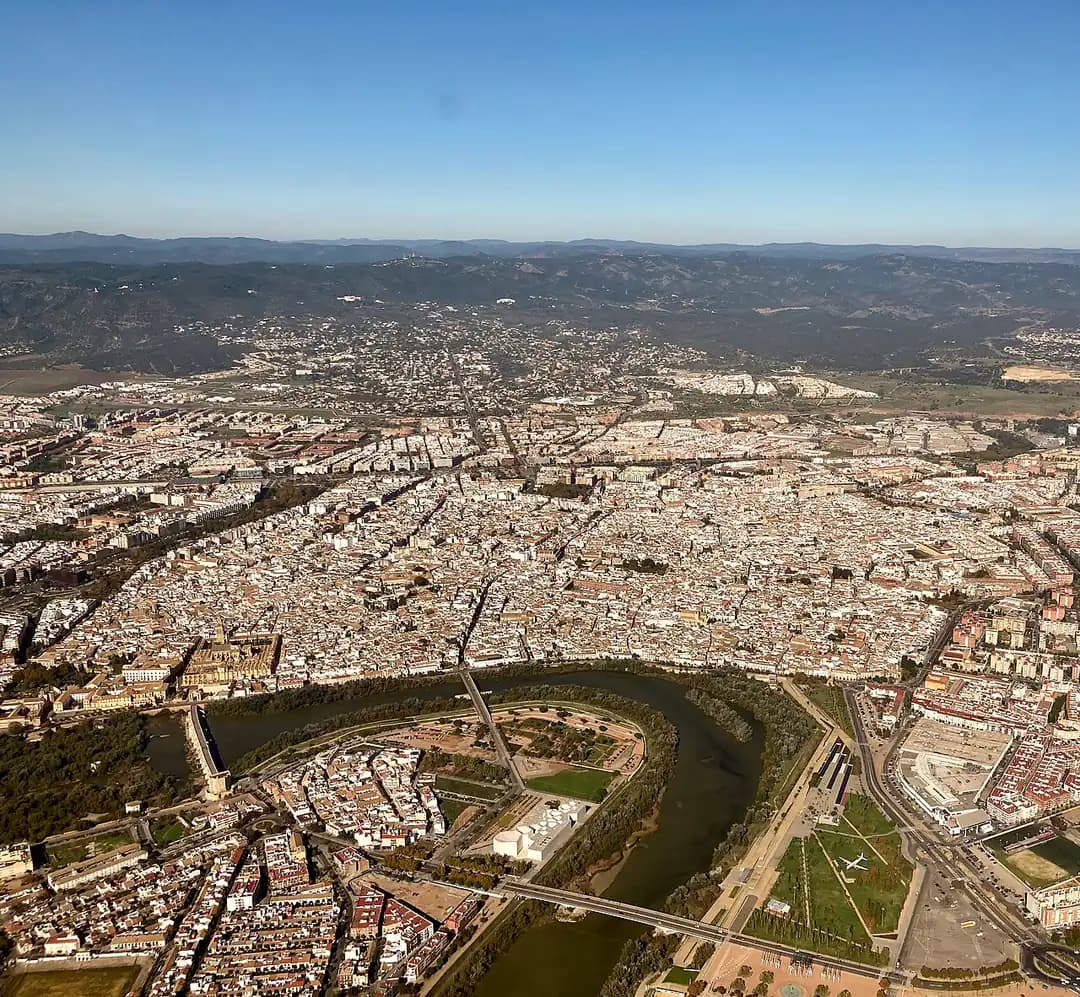
Spain
Córdoba is a city where history isn't just studied, it's felt underfoot on ancient Roman stones and seen in the hypnotic red-and-white arches of the Mezquita-Catedral. This was the brilliant capital of Al-Andalus, a place where Muslim, Jewish, and Christian cultures converged to create one of the most advanced cities in the medieval world. Today, that legacy lives in the labyrinthine Judería (Jewish Quarter), the flower-drenched patios hidden behind whitewashed walls, and the soulful echo of flamenco in intimate tablaos.
Unlike its busier Andalusian siblings, Córdoba offers a more intimate, contemplative experience. You can lose yourself in the quiet, cobbled alleys of the San Basilio neighborhood, cross the Roman Bridge at sunset for the perfect view of the Mezquita, and taste history in a glass of Montilla-Moriles wine. From the scent of orange blossoms in spring to the spectacular Festival of the Patios in May, Córdoba engages all the senses, revealing its layers to those who wander slowly and look closely.
The Architectural Marvel of the Mezquita-Catedral: Witness the breathtaking fusion of Islamic and Christian architecture in one building. Stand beneath the forest of 850 jasper and marble columns, admire the intricate Mihrab, and then experience the contrast of the soaring Renaissance cathedral nave built at its heart.
Step into Living History in the Jewish Quarter (Judería): Wander the narrow, winding streets of one of Europe's best-preserved medieval Jewish quarters. Visit the Synagogue of Córdoba, explore the Zoco municipal craft market, and discover the statue of Maimonides, all within a labyrinth that feels frozen in time.
Experience the World-Famous Festival of the Patios: If visiting in May, you can witness this UNESCO-listed festival where residents open their private, flower-filled courtyard patios to the public. The neighborhoods of San Basilio and Santa Marina become a riot of color and communal pride.
Discover a Roman and Moorish Legacy: Walk across the 2,000-year-old Roman Bridge, explore the fortified Alcázar de los Reyes Cristianos with its beautiful gardens and Roman mosaics, and see the remnants of the city's Roman temple near City Hall.
Savor Authentic Andalusian Cuisine in a Less Touristy Setting: Enjoy classic Cordoban dishes like salmorejo (a thicker, richer gazpacho) and rabo de toro (oxtail stew) in traditional tabernas, often at better value and with more local atmosphere than in Seville or Granada.
Immerse Yourself in Intimate Flamenco Culture: Experience raw, powerful flamenco in the city of great guitarist Paco de Lucía. Seek out authentic tablaos like Tablao Flamenco Cardenal or peñas (social clubs) for performances that feel deeply connected to the art's roots.
Pronto para explorar Córdova?
The historic heart of Córdoba, a UNESCO World Heritage maze of narrow, cobbled streets, whitewashed houses, and hidden squares centered around the Mezquita. This is the quintessential Córdoba experience, buzzing with history at every turn.
Highlights:
Best for:
A quieter, residential neighborhood famous for its stunning, prize-winning patios. Located between the Alcázar and the city walls, it's a peaceful area where you can see the famous courtyard tradition in its most authentic form.
Highlights:
Best for:
A lively, traditional neighborhood known for its beautiful parish churches, local tapas bars, and stately homes. It's less crowded than the Judería but full of character and home to several important 'patio' houses.
Highlights:
Best for:
The area east of the historic centre, following the Guadalquivir River. It offers a mix of local life, important churches, and great views of the Mezquita from across the river, particularly from the Torre de la Calahorra.
Highlights:
Best for:
Os passeios e ingressos que os viajantes mais reservam, com avaliações da Viator.
a partir de € 50
Ver disponibilidade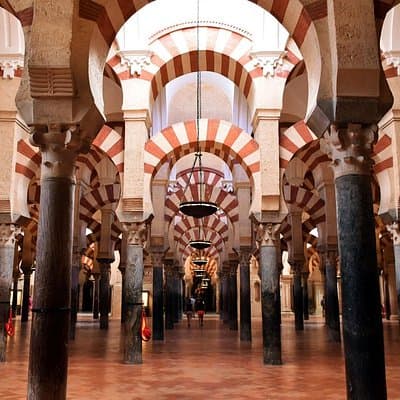
a partir de € 32
Ver disponibilidade
a partir de € 35
Ver disponibilidade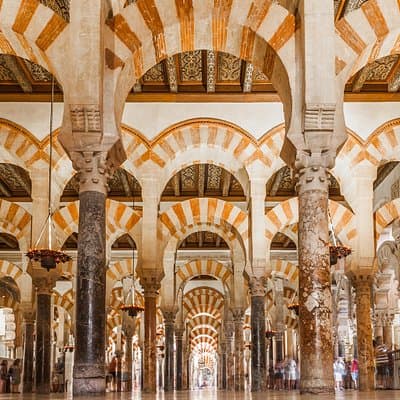
a partir de € 35
Ver disponibilidadePasseios e preços da Viator, uma empresa Tripadvisor. Os preços mudam conforme as datas. Podemos receber uma comissão se você reservar, sem custo extra.
Cordoban cuisine is hearty, rustic, and deeply rooted in its agricultural and Moorish past. It's a land of cold soups, slow-cooked meats, and excellent local wines from the Montilla-Moriles region. Dining is a social, tapas-centric affair.
Order a 'media ración' (half portion) to try more dishes. Many places give a free tapa with a drink at the bar.
These are often more atmospheric than the cheapest options. Ideal for a special lunch away from the sun.
Head to the Plaza de la Corredera area for a concentration of modern tapas bars with outdoor seating.
Many convents, like Santa Isabel or Santa Cruz, sell traditional sweets through a 'torno' (revolving door) to preserve the nuns' privacy.
Spring is arguably the best time to visit. The weather is warm and sunny, the orange trees are in blossom, and the city erupts in color during the famous Festival of the Patios in May.
Pros:
Cons:
Intensely hot and dry, with temperatures regularly exceeding 40°C (104°F). The city is quieter with tourists but life adapts to the heat, with activities shifting to early mornings and late nights.
Pros:
Cons:
A second excellent season, with lingering warmth in September giving way to mild, pleasant temperatures. The summer crowds have left, and the light is beautiful for photography.
Pros:
Cons:
Mild compared to northern Europe, with cool, crisp days and cold nights. While some patios are bare, the Mezquita is stunning in the low winter light, and Christmas markets add charm.
Pros:
Cons:
Compare preços de trens, ônibus e voos para Córdoba
Digite sua cidade de partida para ver preços

30 min by bus or car
The magnificent, ruined palace-city built by Caliph Abd al-Rahman III in the 10th century. It's a sprawling archaeological site that offers a profound glimpse into the peak of Cordoban Caliphate power and sophistication.
45 min by car
The heart of the Montilla-Moriles wine region, producing the famous fino and amontillado wines similar to sherry. Visit historic bodegas for tours and tastings in a charming, less-touristed Andalusian town.
1 hour 15 min by car
A stunning 'pueblo blanco' (white village) clinging to a cliffside in the Subbética mountain range. It's famous for its castle, cave paintings, and as a gateway to beautiful natural parks.
Córdoba is generally more affordable than Seville or Granada, especially for accommodation and food. Major costs are entrance fees to monuments, but many experiences are free.
Budget
€40-60 per person for dorm beds, self-catering, free sights, and tapas.
per day
Mid-Range
€80-120 per person for a private room/3-star hotel, meals at mid-range restaurants, and paid monument entries.
per day
Luxury
€200+ per person for boutique hotels, fine dining, private guides, and premium experiences.
per day
The well-preserved underground ruins of a 10th-century Arab bath complex, located near the Alcázar.
They offer a more intimate and atmospheric glimpse into Moorish Córdoba than the crowded Mezquita, with beautiful vaulted ceilings and light effects.
An excellent archaeological museum built over a Roman theatre, located in the Plaza de Jerónimo Páez.
It houses stunning Roman mosaics and artifacts in a beautiful Renaissance palace, and you can visit the excavated Roman theatre ruins beneath it—all for a very low entry fee.
A tiny, exquisite 14th-century Mudejar chapel tucked inside the Faculty of Arts at the University of Córdoba.
Its interior is a masterpiece of intricate stucco work, azulejo tiles, and carved wood, representing the pinnacle of Mudejar art, yet it's often overlooked by tourists.
A natural riverside park and bird sanctuary on the island in the Guadalquivir, opposite the Mezquita.
It offers peaceful walking paths among poplar trees, fantastic views of the Mezquita and Roman Bridge, and is a haven for birdwatchers right in the city centre.
A charming, triangular square named after the colt (potro) fountain at its centre, immortalized by Cervantes in Don Quixote.
It's home to two fascinating free museums (Museo de Bellas Artes and Museo Julio Romero de Torres) and retains an authentic, local feel away from the main tourist drag.
Cordoban culture is a proud, layered blend of Roman, Moorish, Jewish, and Christian influences, expressed in its architecture, festivals, and relaxed pace of life. It's a city of tradition, from the care of its patios to the deep passion for flamenco and Semana Santa processions.
Two full days is ideal. Spend one day exploring the Mezquita and the Jewish Quarter, and a second day visiting the Alcázar, crossing the Roman Bridge, and perhaps taking a day trip to Medina Azahara. An extra day allows for a more relaxed pace or a deeper dive into museums and patios.
Yes, Córdoba is generally very safe. The historic centre is well-patrolled and busy with tourists and locals until late. Standard precautions apply: be aware of pickpockets in crowded areas like the Mezquita and keep valuables secure.
Partial free access is available Monday to Saturday from 8:30-9:30 AM. This allows entry to the Patio de los Naranjos and a limited section of the mosque perimeter. To experience the breathtaking main hall with its arches and the cathedral, you must purchase a ticket (€13). Access is always free on Sunday mornings for mass, but tourism is restricted.
The high-speed AVE train is the fastest and most convenient option, taking about 40-45 minutes from Seville's Santa Justa station to Córdoba's central station. Book in advance for the best fares. Buses are cheaper but take around 2 hours.
The official Concourse and Festival of the Patios takes place for about two weeks in early May (typically the first two full weeks). Exact dates vary yearly. During this time, many private patios are open to the public, with some charging a small fee for the most elaborate ones.
Absolutely, for history enthusiasts. It's a vast, evocative site that contextualizes Córdoba's golden age. The on-site museum is excellent. Note that the archaeological zone is large and involves walking; go early or late in summer to avoid heat. A shuttle bus runs from the museum to the ruins.
Dress for the season, prioritizing comfort for walking on cobblestones. In summer, wear light, breathable clothing, a hat, and sunscreen. Modest dress (covering shoulders and knees) is required for entering the Mezquita-Catedral and churches. Always carry a water bottle.
Both are cold tomato soups, but salmorejo is Cordoban and distinct. It's much thicker and creamier, as it contains more bread and is blended with olive oil until smooth. It's typically garnished with diced serrano ham and hard-boiled egg, unlike the chunkier, more liquid gazpacho.
Custos diários habituais para um viajante, do econômico ao confortável.
| Econômico | Intermediário | Confortável | |
|---|---|---|---|
| Hospedagem (por noite) | € 38 | € 90 | € 155 |
| Comida e bebida (por dia) | € 14 | € 30 | € 58 |
| Passeios e atividades (por dia) | € 7 | € 18 | € 40 |
| Total por dia | € 59 | € 138 | € 253 |
As estimativas não incluem voos nem transporte de longa distância. Compare os custos diários entre cidades
Hotéis perto do centro de Córdova, do econômico ao luxo. Os preços são diárias habituais na nossa última consulta.
 Econômico
 Econômico
 Intermediário
 Intermediário
 Superior
 Superior
 Luxo
 Luxo
Os preços dos hotéis vêm da Traveloka, consultados pela última vez em 4 de fevereiro de 2026, e variam conforme as datas. Podemos receber uma comissão se você reservar pelos nossos links, sem custo adicional para você.
Conexões populares de trem, ônibus e avião, com tempos de viagem e tarifas.
Deixe a IA criar o roteiro perfeito para sua viagem a Córdova. Apenas descreva o que você quer experimentar.
Planejar viagem para Córdova