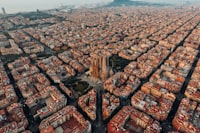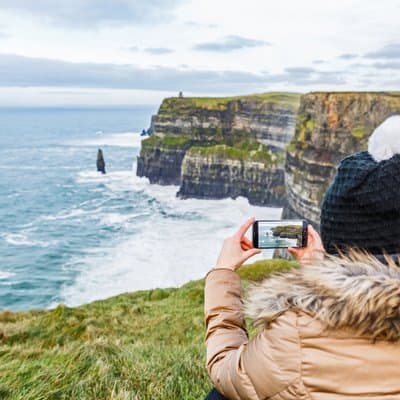
Dublin a Cliffs of Moher, incluindo Wild Atlantic Way e Galway
4.925.016 avaliações13h
a partir de € 75
Ver disponibilidade
Ireland
Dublin isn't just a city; it's a living storybook where every cobblestone lane and cozy pub has a tale to tell. The energy here is palpable, from the hallowed halls of Trinity College, where you can gaze upon the illuminated 9th-century Book of Kells, to the spontaneous trad music sessions spilling out of Temple Bar's historic pubs. It's a place where history isn't confined to museums—it's in the Georgian doors of Merrion Square, the bullet marks on the General Post Office from the 1916 Rising, and the warm, welcoming 'craic' (fun/conversation) shared over a perfectly poured pint of Guinness at the Gravity Bar.
Beyond the postcard sights, Dublin's true magic lies in its intimate scale and vibrant, modern culture. You can spend a morning exploring the contemporary art at the Irish Museum of Modern Art in the Royal Hospital Kilmainham, an afternoon browsing for rare first editions in the warren-like bookshops of Dawson Street, and an evening savoring world-class Irish produce at a Michelin-starred restaurant or a buzzing food market. The River Liffey acts as the city's spine, connecting the traditional southside with the creative, regenerated northside, each offering its own distinct flavor of Irish life.
A Literary Pilgrimage: Walk in the footsteps of Joyce, Yeats, and Beckett. Visit the Dublin Writers Museum, see the iconic door of No. 7 Eccles Street from *Ulysses*, and have a drink at Davy Byrnes, a favorite haunt of literary greats.
The Pub as a Cultural Institution: Experience more than just a drink. Pubs like The Brazen Head (est. 1198) and The Palace Bar are historic venues for live trad music, storytelling, and genuine connection with locals.
A Living History Book: Explore over 1,000 years of history, from the Viking settlement at Dublinia to the majestic Dublin Castle and the hauntingly beautiful Kilmainham Gaol, where the leaders of the 1916 Easter Rising were executed.
A Gateway to Epic Landscapes: Use Dublin as a base for stunning day trips. Witness the otherworldly hexagonal basalt columns of the Giant's Causeway or the monastic serenity of Glendalough in the Wicklow Mountains.
A Thriving Modern Food Scene: Move beyond stereotypes and discover artisanal food markets like the Temple Bar Food Market, innovative seafood at Klaw, and the modern Irish cuisine revolution led by chefs using superb local ingredients.
Unmatched Urban Greenery: Escape the bustle in Phoenix Park, one of Europe's largest walled city parks, where you can cycle alongside herds of wild fallow deer and visit the residence of the President of Ireland.
Pronto para explorar Dublin?
The famously vibrant cultural quarter, packed with cobbled streets, colorful buildings, and a relentless energy. It's the epicenter for live music, bustling pubs, and eclectic markets, but can be very tourist-heavy.
Highlights:
Best for:
Elegant and historic, this area is defined by its beautiful Georgian squares, ornate doorways, and major institutions. It feels more refined and is home to government buildings, museums, and upscale hotels.
Highlights:
Best for:
One of Dublin's oldest neighborhoods, rich with medieval history and the birthplace of the Guinness brewing empire. It's an area of authentic character, undergoing regeneration while retaining its gritty charm.
Highlights:
Best for:
A hip, creative hub on the city's northside, known for its independent cafes, vintage shops, and cool gastro-pubs. Smithfield's large square is home to a famous monthly horse fair and the modern Light House Cinema.
Highlights:
Best for:
Os passeios e ingressos que os viajantes mais reservam, com avaliações da Viator.
a partir de € 75
Ver disponibilidade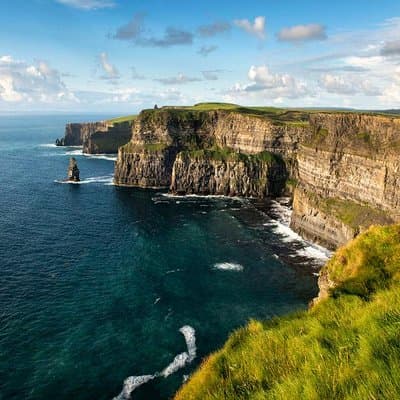
a partir de € 78
Ver disponibilidade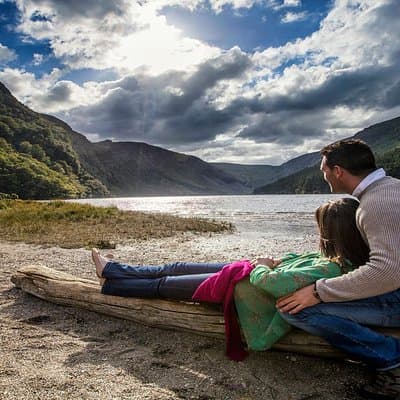
a partir de € 43
Ver disponibilidade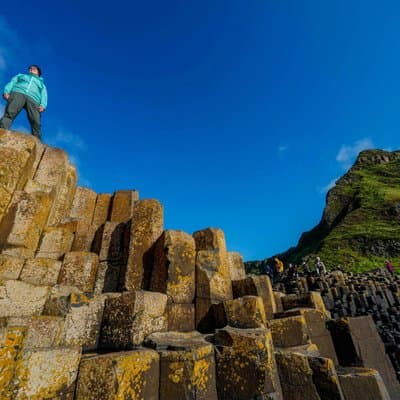
a partir de € 85
Ver disponibilidadePasseios e preços da Viator, uma empresa Tripadvisor. Os preços mudam conforme as datas. Podemos receber uma comissão se você reservar, sem custo extra.
Dublin's food scene has exploded beyond the classic pub grub. While hearty stews and seafood chowder remain staples, the city now boasts a vibrant mix of Michelin-starred restaurants, innovative food markets, and a strong focus on exceptional Irish produce, from grass-fed beef to Atlantic oysters.
Look for pubs that make their own brown bread to go with the chowder—it's a sign of quality.
Book well in advance, especially for Michelin-starred restaurants which offer excellent value lunch menus.
Ask for the catch of the day and pair it with a crisp Irish craft cider.
Dublin has a fantastic cafe culture. Independent roasteries are everywhere—skip the big chains.
Spring brings longer days, blooming flowers in the parks, and a palpable sense of energy as the city shakes off winter. St. Patrick's Festival in March creates a week-long party.
Pros:
Cons:
Dublin is at its most lively, with long evenings perfect for pub gardens and outdoor festivals. The city is bustling, and the atmosphere is fantastic.
Pros:
Cons:
Often considered the best time to visit. The summer crowds thin, the weather is often still mild, and the city's parks are painted with stunning autumn colors.
Pros:
Cons:
A cozy, festive time with Christmas markets, warm pub fires, and a magical atmosphere. It's cold and dark by late afternoon, but the city feels intimate and traditional.
Pros:
Cons:
Compare preços de trens, ônibus e voos para Dublin
Digite sua cidade de partida para ver preços

1 hour 15 min by car or organized tour
Step into the serene 'Valley of the Two Lakes' in the Wicklow Mountains National Park. This is the site of a remarkable 6th-century monastic settlement founded by St. Kevin, surrounded by breathtaking glacial scenery.
30 min by DART train from Tara Street
A charming fishing village and peninsula on Dublin's doorstep. It offers dramatic cliff walks, fresh seafood straight from the boats, and stunning views back across Dublin Bay.
50 min by car or organized tour
Journey 5,000 years back in time to the Brú na Bóinne UNESCO site, home to the Neolithic passage tomb of Newgrange, older than Stonehenge and the Egyptian pyramids.
Dublin is one of the more expensive cities in Europe, but savvy travelers can manage costs by prioritizing free attractions, using public transport passes, and eating smart.
Budget
€60-90 per day (hostel dorm, supermarket meals, free sights, walking/LEAP card)
per day
Mid-Range
€120-200 per day (private room/B&B, pub meals, paid attractions, some taxis)
per day
Luxury
€300+ per day (boutique hotel, fine dining, private tours, premium experiences)
per day
Ireland's first public library, founded in 1707, located beside St. Patrick's Cathedral. It's a perfectly preserved scholars' library from the Enlightenment.
It feels like stepping into a Harry Potter set, with its original oak bookcases, 'cages' where readers were locked in with rare books, and a stunning, tranquil atmosphere untouched by time.
A secluded, formal Victorian park hidden behind buildings near St. Stephen's Green, often called Dublin's 'Secret Garden'.
Escape the crowds of the more famous parks. It features a rustic grotto, a maze, fountains, and a beautiful rosarium, offering a peaceful oasis in the city center.
A tenement museum located in a former Georgian townhouse on the northside, telling the story of Dublin's urban life from grandeur to decay.
It offers a powerful, immersive social history experience, focusing on the lives of the ordinary people who lived there, which is often overlooked in favor of grander narratives.
A legendary traditional pub located beside Glasnevin Cemetery, largely unchanged since 1833.
It's the antithesis of a Temple Bar pub—no music, no TV, just perfect pints pulled from antique taps, incredible atmosphere, and a fascinating history. Locals swear by it.
A unique gallery at Trinity College where science and art collide, hosting provocative, ever-changing exhibitions on topical issues.
It's a dynamic, thought-provoking space that's completely different from the historical attractions. The exhibitions are free, interactive, and designed to spark debate.
Irish culture is deeply rooted in storytelling, music, and community. Dubliners are known for their quick wit, friendliness, and love of conversation ('the craic'). The city balances a deep respect for tradition with a vibrant, forward-looking creative energy.
Dublin is generally very safe for tourists. Standard precautions apply: be aware of your belongings in crowded areas like Temple Bar, and use common sense at night. The main issues for visitors are typically petty theft and occasional rowdiness in nightlife areas.
Tipping is not obligatory. In restaurants, a tip of 10-15% is appreciated for good service but often not expected. In pubs, it's not customary to tip for drinks alone. For taxi drivers, rounding up the fare is common.
The Airlink Express 757 or Dublin Express buses are the best balance of speed and price (€7-12, 30 mins). For the cheapest option, take Dublin Bus 41 or 16 with a LEAP card (€2, 45-60 mins). Taxis cost €25-35.
Yes, contactless credit/debit cards and Apple/Google Pay are widely accepted in shops, restaurants, and even on public transport. It's still wise to carry some cash (Euros) for smaller pubs, markets, or tips.
Dress in layers and always have a waterproof jacket or umbrella, as rain can occur at any time. Comfortable walking shoes are essential for cobblestone streets. Pubs and restaurants are generally casual; smart-casual attire is fine for most places.
It can be, but only if you plan to visit multiple paid attractions in a short time. Calculate the individual entrance fees for your itinerary first. Remember, many of Dublin's top attractions (National Museums, galleries) are free.
The legal drinking age in Ireland is 18. You may be asked for ID (passport or driver's license) if you look under 23. Pubs typically stop serving alcohol at around 11:30 PM, with nightclubs open later.
Yes. Ireland uses the Type G plug (three rectangular pins), with a standard voltage of 230V and frequency of 50Hz. You will need a suitable adapter for devices from North America, Europe, or the UK.
Custos diários habituais para um viajante, do econômico ao confortável.
| Econômico | Intermediário | Confortável | |
|---|---|---|---|
| Hospedagem (por noite) | € 60 | € 150 | € 250 |
| Comida e bebida (por dia) | € 20 | € 42 | € 80 |
| Passeios e atividades (por dia) | € 10 | € 25 | € 55 |
| Total por dia | € 90 | € 217 | € 385 |
As estimativas não incluem voos nem transporte de longa distância. Compare os custos diários entre cidades
Hotéis perto do centro de Dublin, do econômico ao luxo. Os preços são diárias habituais na nossa última consulta.
 Econômico
 Econômico
 Intermediário
 Intermediário
 Superior
 Superior
 Luxo
 Luxo
Os preços dos hotéis vêm da Traveloka, consultados pela última vez em 4 de fevereiro de 2026, e variam conforme as datas. Podemos receber uma comissão se você reservar pelos nossos links, sem custo adicional para você.
Conexões populares de trem, ônibus e avião, com tempos de viagem e tarifas.
Deixe a IA criar o roteiro perfeito para sua viagem a Dublin. Apenas descreva o que você quer experimentar.
Planejar viagem para Dublin