Excursão privada personalizada de Hakone em 1 dia com Guia licenciado
4.9281 avaliações6h
a partir de € 153
Ver disponibilidade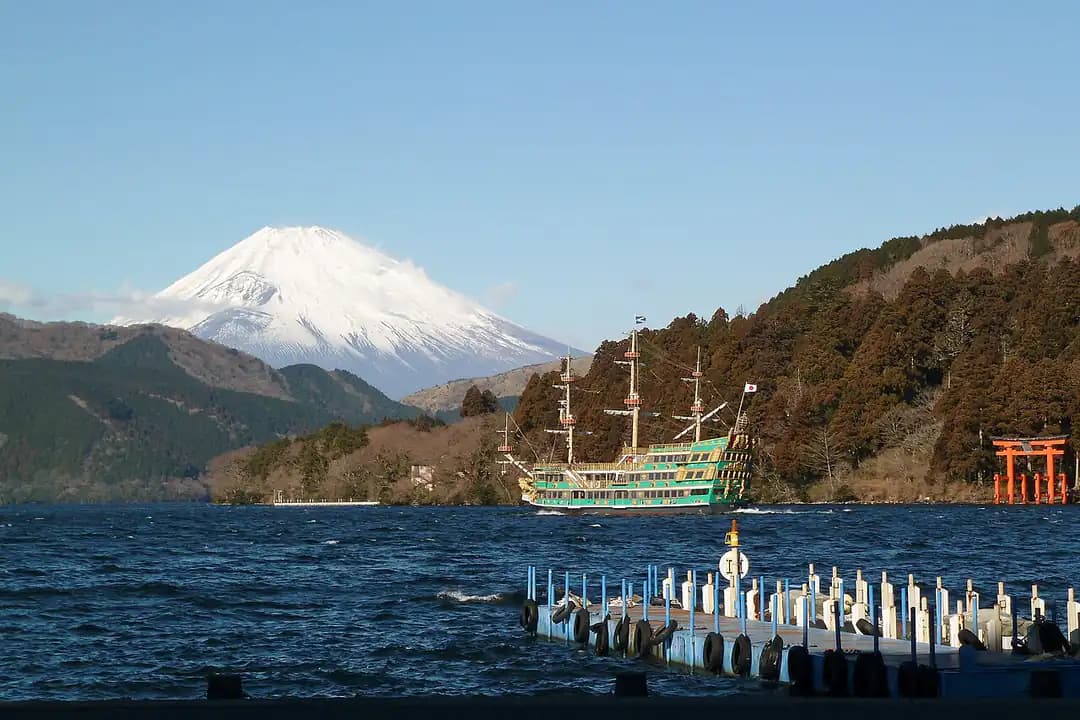
Japan
Hakone isn't just a scenic mountain resort; it's a meticulously crafted experience where nature, art, and tradition converge. Here, you don't just see Mount Fuji—you watch its reflection shimmer in the cobalt waters of Lake Ashi from the deck of a pirate ship, then ascend through volcanic steam clouds on the Hakone Ropeway to Owakudani, where you can taste eggs boiled black in sulfuric waters. This is a landscape where every journey is part of the destination, from the rhythmic clatter of the Hakone Tozan Railway's switchbacks to the silent glide of a cable car over ancient forests.
Beyond the iconic views, Hakone's soul lies in its onsen culture. Scattered across districts like Gora and Sengokuhara are hundreds of ryokans and public bathhouses, each fed by mineral-rich hot springs that have drawn pilgrims and pleasure-seekers for centuries. This is complemented by a surprising density of world-class art, from the monumental sculptures dotting the hills of the Hakone Open-Air Museum to the intimate collections at the Pola Museum of Art. Hakone offers the rare blend of profound relaxation and continuous discovery, making it the perfect restorative escape from Tokyo's frenzy.
Unrivaled Onsen Culture: Immerse yourself in Japan's quintessential hot spring tradition. Stay overnight in a traditional ryokan like Gora Kadan for a multi-course kaiseki meal and a private open-air bath, or hop between public onsens like Tenzan Tōji-kyo, each with unique mineral compositions and settings.
The Iconic Fuji & Lake Circuit: Experience the famous Hakone Round Course. Cruise Lake Ashi on a replica pirate ship for postcard views of Mt. Fuji framed by the torii gate of Hakone Shrine, then take the cable car over the volcanic valley of Owakudani, where the landscape feels otherworldly.
A Sanctuary for Art Lovers: Discover art in harmony with nature. The Hakone Open-Air Museum features works by Henry Moore and Picasso set against mountain backdrops, while the Okada Museum of Art houses an impressive collection of Asian ceramics and paintings in a serene, modern space.
Scenic Transportation as Attraction: Turn travel into sightseeing. The charming Hakone Tozan Railway climbs through hydrangea-lined slopes in summer, the Hakone Ropeway offers breathtaking aerial vistas, and the Hakone Sightseeing Cruise provides a unique perspective of the lakeshore.
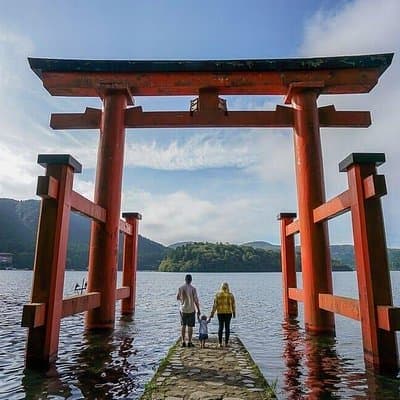
Deep Cultural & Spiritual Sites: Connect with Japan's spiritual heritage. Visit the serene Hakone Shrine, its red torii gate standing in the lake, and explore the historic checkpoint of Hakone Sekisho, which once controlled traffic on the Tokaido road during the Edo period.
A Four-Season Canvas of Nature: Witness dramatic seasonal transformations. Hike through vibrant autumn foliage on the Old Tokaido Road, see cherry blossoms at Hakone Gōra Park in spring, enjoy cool summer escapes in the mountains, and view snow-dusted Fuji from steaming outdoor baths in winter.
Pronto para explorar Hakone?
Gora is Hakone's bustling transportation hub and main resort town, built on steep slopes. It's the central interchange for the cable car, funicular, and bus networks, creating a lively atmosphere with numerous shops, cafes, and mid-range ryokans. The vibe is convenient and active, perfect for those who want easy access to all of Hakone's major attractions.
Highlights:
Best for:
This highland plateau offers spaciousness, stunning views of Mt. Fuji, and a concentration of luxury resorts and sophisticated art museums. The atmosphere is serene, upscale, and slightly removed from the main tourist circuit, with expansive grasslands and a quieter pace. It's where nature and high culture seamlessly blend.
Highlights:
Best for:
These historic towns on the southern shore of Lake Ashi are steeped in history from the Edo period. The vibe is tranquil and scenic, focused on lakeside strolls, shrine visits, and enjoying the iconic views of Fuji. This area feels more traditional and connected to Hakone's past as a major checkpoint on the Tokaido road.
Highlights:
Best for:
Hakone's oldest hot spring resort, exuding a nostalgic, Meiji-era charm. This hillside area is lined with historic Western-style and traditional Japanese hotels, including the famed Fujiya Hotel. The atmosphere is elegant, quiet, and slightly retro, offering a sense of stepping back into Hakone's origins as a resort destination.
Highlights:
Best for:
Os passeios e ingressos que os viajantes mais reservam, com avaliações da Viator.
a partir de € 153
Ver disponibilidade
a partir de € 253
Ver disponibilidade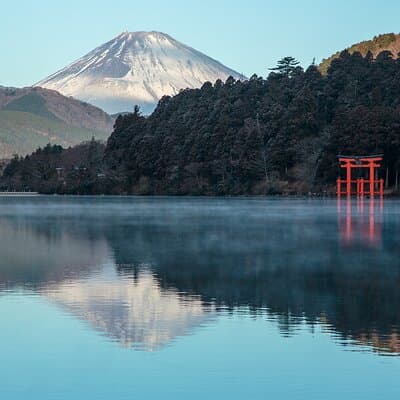
a partir de € 272
Ver disponibilidade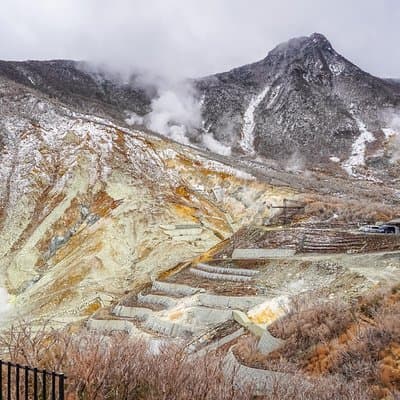
a partir de € 158
Ver disponibilidadePasseios e preços da Viator, uma empresa Tripadvisor. Os preços mudam conforme as datas. Podemos receber uma comissão se você reservar, sem custo extra.
Hakone's cuisine is defined by its mountain and lake setting, emphasizing fresh, local ingredients and the luxurious dining integral to the ryokan experience. While not a street food hub, it excels in refined kaiseki meals, hearty hot pot dishes perfect for cooler climates, and unique local specialties tied to its volcanic landscape.
These elaborate multi-course meals are typically included in your stay. Inform the ryokan of any dietary restrictions when booking.
Houtou is a very filling, rustic dish. One bowl is often enough for a meal.
Soba is often served with tempura or on a bamboo mat (zaru soba) with a dipping sauce.
Many cafes around Lake Ashi have terraces with fantastic Fuji views—perfect for a break.
Spring brings mild temperatures, cherry blossoms (late March to mid-April), and vibrant greenery. It's one of the most popular times to visit for the iconic pink blossoms against the backdrop of Mount Fuji.
Pros:
Cons:
Summer is warm and humid, but significantly cooler than Tokyo, making it a popular escape. The mountains are lush and green, and hydrangeas bloom spectacularly along the Hakone Tozan Railway in June/July.
Pros:
Cons:
Autumn is arguably Hakone's most stunning season. The mountainsides erupt in brilliant red, orange, and yellow foliage, typically peaking from late October through November. The air is crisp and clear.
Pros:
Cons:
Winter is cold, with occasional snow dusting the higher elevations. While some outdoor attractions may have reduced access, it's a magical time for onsen hopping and seeing a snow-capped Fuji from a steaming bath.
Pros:
Cons:
Compare preços de trens, ônibus e voos para Hakone
Digite sua cidade de partida para ver preços

15 min by train from Hakone-Yumoto
The gateway castle town to Hakone, offering a dose of samurai history and a vibrant local market scene. It's a great contrast to Hakone's natural and resort-focused atmosphere.
45-60 min by train from Odawara
Extend your onsen journey to the Pacific coast. Atami offers a more bustling, retro resort vibe with cliffside onsens, while Ito is a sprawling, traditional hot spring town.
40 min by bus from Togendai or Moto-Hakone
Primarily known for the massive Gotemba Premium Outlets with views of Mount Fuji, but also serves as an alternative base for climbing the mountain or exploring the Fuji Five Lakes region.
Hakone is a premium destination, with costs heavily influenced by your choice of accommodation. A ryokan stay with meals is a significant expense but a core part of the experience. Daily transport and food outside of ryokans are moderately priced.
Budget
¥8,000-12,000 ($55-80) for hostels/business hotels, convenience store meals, and using the Hakone Free Pass.
per day
Mid-Range
¥25,000-40,000 ($165-265) for a comfortable ryokan or hotel (may include breakfast), meals at mid-range restaurants, and attraction entries.
per day
Luxury
¥60,000+ ($400+) per person for high-end ryokans with kaiseki dinners, private baths, fine dining, and private transport.
per day
A beautiful museum and garden complex in Sengokuhara dedicated to Venetian glass art, featuring delicate chandeliers, sculptures, and historical pieces.
It's often overshadowed by the larger Open-Air and Pola museums, but its intimate gardens, live glassblowing demonstrations, and stunning collection offer a uniquely elegant and peaceful experience.
A preserved, stone-paved section of the historic highway that connected Edo and Kyoto, now a serene hiking trail through cedar forests.
Walking this quiet, atmospheric path gives a tangible sense of history far removed from the tourist crowds. You can see original paving stones and teahouse remains.
A 400-year-old thatched-roof teahouse on the Old Tokaido Road, serving traditional amazake (a sweet, non-alcoholic fermented rice drink) and mochi.
This is a living piece of history. Stopping here for a simple drink feels like stepping directly into the Edo period, offering an authentic and humble cultural experience.
A small, exquisite museum nestled in the forest near Gora, dedicated to the works of French glass artist René Lalique.
Its location feels secretive and magical. The building itself is a work of art, and the collection of jewelry, perfume bottles, and glass panels is dazzlingly detailed, appealing to design lovers.
A former imperial villa grounds located on a hill overlooking Lake Ashi and Mount Fuji, now a public park with classic Japanese gardens and walking paths.
It offers some of the most spectacular, unobstructed panoramic views of Fuji and the lake, yet remains surprisingly quiet compared to the crowded shores below. Perfect for contemplation.
Hakone's culture is a blend of deep-rooted onsen traditions, reverence for nature (exemplified by the worship of Mount Fuji and Lake Ashi at Hakone Shrine), and a history as a controlled checkpoint (Sekisho) on Japan's most important highway. The pace is slow, respectful, and focused on harmony and relaxation.
Absolutely, it's highly recommended for almost all visitors. The pass covers unlimited use of all key transport in the Hakone area (trains, cable cars, ropeway, pirate ships, buses) for 2 or 3 days. It pays for itself after just a few rides and includes discounts at many museums and attractions. Purchase it at Odawara Station or online in advance.
Yes, it's possible but very rushed (about 2 hours each way). You'll only have time for a quick highlights tour (e.g., Lake Ashi cruise, ropeway to Owakudani). To truly experience Hakone's onsen culture and relaxed pace, an overnight stay in a ryokan is strongly recommended. Two days and one night is the ideal minimum.
Traditionally, tattoos are associated with yakuza (organized crime) in Japan and are prohibited in most public baths and hotel swimming pools. Many ryokans with private baths or family baths are more flexible. Always check your ryokan's policy in advance. Public onsens are very strict; you can purchase waterproof tattoo cover-up patches at drugstores.
Essentials include comfortable walking shoes, layers for changeable mountain weather, a small towel for public onsens (though often available for rent), and cash (many smaller ryokans, shops, and restaurants do not accept credit cards). If staying in a ryokan, they provide yukata and toiletries, so you can pack light.
Fuji is famously shy and often hidden by clouds, especially in the afternoon. Your best chances for a clear view are early morning, during the colder months (late autumn to early spring), and on days with high pressure. Check the live webcams from spots like Owakudani or Lake Ashi before heading out for the day.
Yes, especially for popular ryokans, weekends, and during peak seasons (cherry blossom, autumn foliage, Golden Week). Many top ryokans book out months in advance. For a wider selection and better rates, book as early as possible, at least 3-6 months ahead for peak times.
No, it can close due to strong winds, maintenance, or high levels of volcanic sulfur dioxide gas at Owakudani. Closures are more common in winter. Always check the official Hakone Ropeway website for real-time operation status before you go, as alternative bus transport is available but less scenic.
A ryokan is a traditional Japanese inn offering a cultural experience: you sleep on futon bedding on tatami mats, wear a yukata, and often enjoy multi-course kaiseki dinners and breakfasts served in-room. Service is highly personalized. A hotel offers Western-style beds and a more standard, international lodging experience. For a true taste of Hakone, a ryokan stay is essential.
Custos diários habituais para um viajante, com base nos preços médios em Japan.
| Econômico | Intermediário | Confortável | |
|---|---|---|---|
| Hospedagem (por noite) | € 40 | € 95 | € 180 |
| Comida e bebida (por dia) | € 14 | € 30 | € 60 |
| Passeios e atividades (por dia) | € 8 | € 20 | € 45 |
| Total por dia | € 62 | € 145 | € 285 |
As estimativas não incluem voos nem transporte de longa distância. Compare os custos diários entre cidades
Hotéis perto do centro de Hakone, do econômico ao luxo. Os preços são diárias habituais na nossa última consulta.
 Econômico
 Econômico
 Intermediário
 Intermediário
 Superior
 Superior
 Luxo
 Luxo
Os preços dos hotéis vêm da Traveloka, consultados pela última vez em 4 de fevereiro de 2026, e variam conforme as datas. Podemos receber uma comissão se você reservar pelos nossos links, sem custo adicional para você.
Deixe a IA criar o roteiro perfeito para sua viagem a Hakone. Apenas descreva o que você quer experimentar.
Planejar viagem para Hakone