Blue Cave & Vis Island excursão de lancha de Hvar
4.91.135 avaliações7h
a partir de € 100
Ver disponibilidade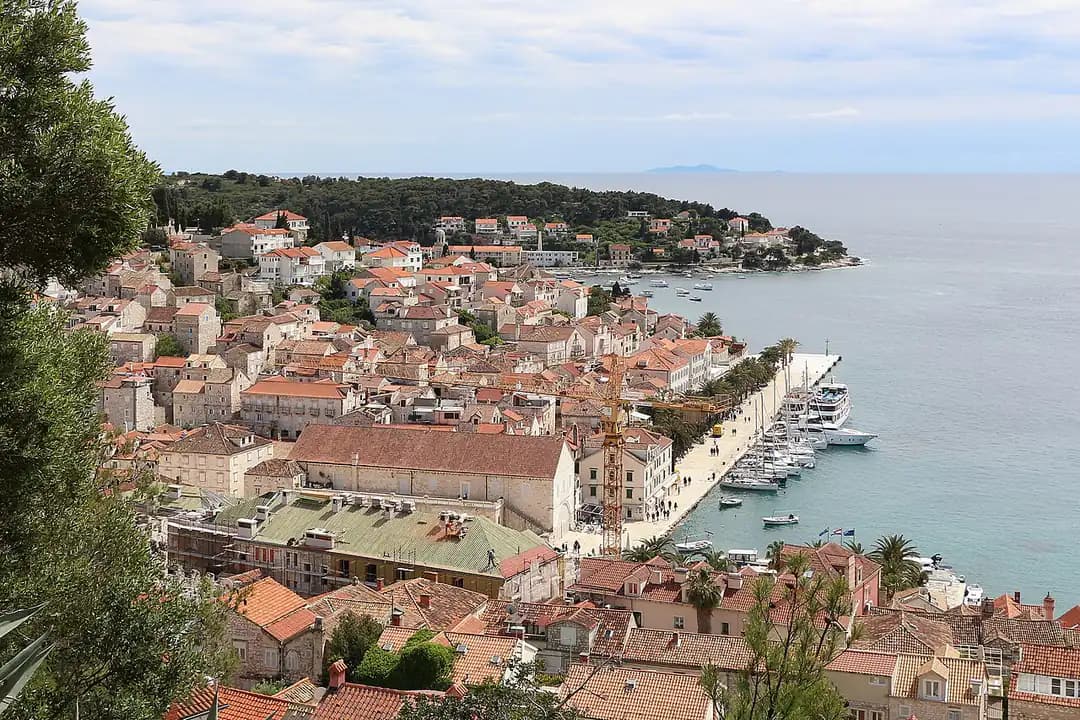
Croatia
Hvar isn't just an island; it's a sensory experience. The air carries the scent of sun-baked lavender from the inland fields, while the Adriatic sun reflects off the polished limestone of Hvar Town's main square, Europe's largest piazza. This is where 13th-century Venetian fortifications overlook a harbor filled with superyachts, and where ancient Greek agricultural plots at Stari Grad Plain (a UNESCO World Heritage site) exist just a short drive from the thumping beach clubs of Carpe Diem.
Beyond the glamour, Hvar offers authentic Dalmatian life in its stone villages. Wander the labyrinthine streets of Vrboska, the 'Little Venice' with its fortified church, or discover the secluded pebble coves near Milna. The Pakleni Islands archipelago, a short water taxi ride from Hvar Town, provides a car-free paradise of pine-shaded beaches and crystal-clear swimming spots, perfectly contrasting the island's vibrant nightlife.
Legendary Nightlife & Glamour: Experience world-famous beach clubs like Carpe Diem Beach Hvar on Stipanska island and Hula Hula, where sunset parties are a ritual. The harbor promenade transforms into a chic social scene after dark, with bars like Kiva Bar and Pink Champagne offering vibrant atmospheres.
Stunning Natural Beauty & Beaches: Discover the unique Pakleni Islands, a chain of 21 islets with pristine coves like Ždrilca and Mlini. On the main island, find secluded pebble beaches such as Dubovica Bay with its historic villa and the iconic turquoise waters of Stiniva Cove (accessible by boat).
Rich Historical Tapestry: Explore the 13th-century Fortica (Španjola) fortress overlooking Hvar Town, the Renaissance-era Hvar Cathedral, and the historic Arsenal building housing the oldest public theatre in Europe. The ancient agricultural landscape of the Stari Grad Plain dates back to 384 BC.
Lavender & Local Produce: Drive through the fragrant lavender fields near the villages of Brusje and Velo Grablje in early summer. Visit local agrotourism farms like Nono to taste lavender honey, olive oil, and Hvar's unique plavac mali wines.
Nautical Paradise: Use Hvar as a base for sailing the central Dalmatian islands. Charter a boat or join a tour to explore hidden caves, remote islands like Šćedro, and quiet fishing villages inaccessible by road.
Authentic Dalmatian Villages: Escape the bustle in picturesque inland towns. Visit Stari Grad, one of Croatia's oldest towns with its Tvrdalj palace; Jelsa with its shaded promenade; or the tranquil, canal-laced village of Vrboska.
Pronto para explorar Hvar?
The vibrant, glamorous heart of the island, centered around a stunning yacht-filled harbor and a massive, sun-drenched piazza. This is where medieval history meets contemporary luxury and nightlife.
Highlights:
Best for:
A quieter, more authentic harbor town on the north coast, boasting ancient Greek roots and a UNESCO-listed plain. Its maze of narrow stone streets exudes a relaxed, artistic atmosphere.
Highlights:
Best for:
A charming, family-friendly town on the north coast, known for its lush pine tree-lined waterfront promenade, calm beaches, and excellent local wine production.
Highlights:
Best for:
A picturesque fishing village often called 'Little Venice,' crisscrossed by charming canals and bridges. It's home to a unique fortified church and has a wonderfully tranquil vibe.
Highlights:
Best for:
Os passeios e ingressos que os viajantes mais reservam, com avaliações da Viator.
a partir de € 100
Ver disponibilidade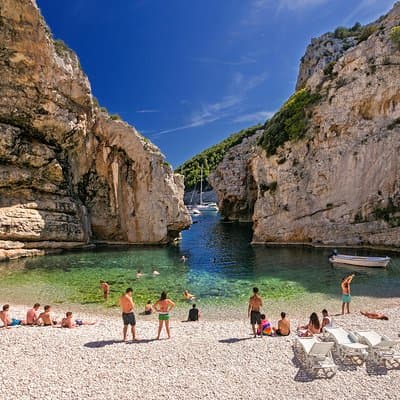
a partir de € 95
Ver disponibilidade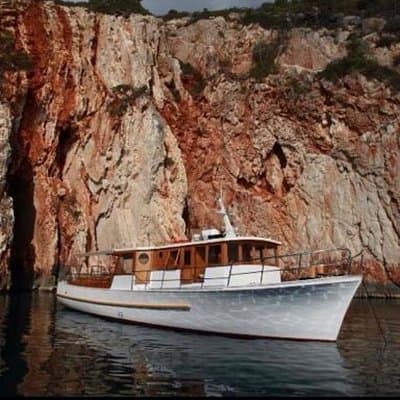
a partir de € 98
Ver disponibilidadePasseios e preços da Viator, uma empresa Tripadvisor. Os preços mudam conforme as datas. Podemos receber uma comissão se você reservar, sem custo extra.
Hvar's cuisine is classic Dalmatian, emphasizing fresh seafood, olive oil, grilled meats, and vegetables, often cooked 'na žaru' (on the grill). Local wine, especially from the plavac mali grape, and wild herbs like rosemary and sage are staples. Dining is a leisurely social affair.
Always book your peka in advance (usually by morning), as it takes hours to slow-cook.
Harborfront spots are premium-priced. You're paying for the view and atmosphere as much as the food.
Agrotourism visits often require a reservation. They offer a deep dive into local produce beyond just wine tasting.
For a quick, cheap lunch, find a bakery or a 'brza hrana' (fast food) spot selling ćevapi (grilled minced meat sausages) or pizzas.
April to May brings mild, pleasant weather, blooming wildflowers, and lavender starting to flourish. The island is quiet, with most tourist services open by late April. The sea is still cool for swimming.
Pros:
Cons:
June to September is peak season, characterized by hot, dry days (averaging 28-30°C), endless sunshine, and a vibrant, bustling atmosphere. The sea is warm, and all facilities are open.
Pros:
Cons:
October and November see the crowds dissipate, the weather remaining warm and pleasant into early October. The sea retains summer heat, making for excellent swimming. The grape harvest occurs.
Pros:
Cons:
December to March is the quietest period. The weather is mild but damp, with occasional strong winds (bura). The island life retreats to the local communities, with many hotels and restaurants closed.
Pros:
Cons:
Compare preços de trens, ônibus e voos para Hvar
Digite sua cidade de partida para ver preços

10-20 min by water taxi from Hvar Town
An archipelago of pine-covered islets offering Hvar's most idyllic beaches and crystal-clear waters. It's the perfect escape for swimming, sunbathing, and enjoying laid-back beach bars.
1 hour by high-speed catamaran from Hvar Town
Often described as a 'mini Dubrovnik,' this stunning island town features a beautifully preserved medieval core, excellent local white wines (Pošip, Grk), and a rich maritime history.
Full-day boat tour (approx. 1.5-2 hours one way by speedboat)
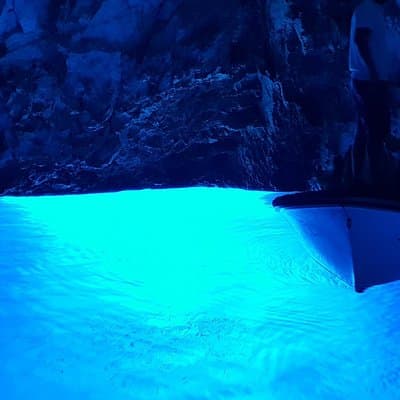
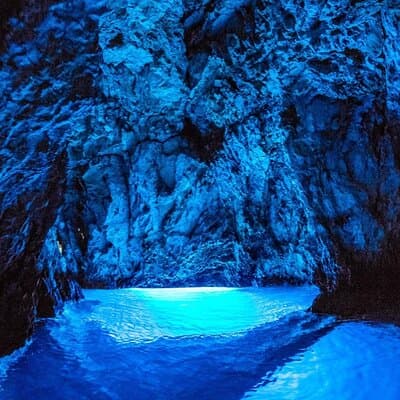
A full-day boat tour to the spectacular Blue Cave on Biševo island, where sunlight creates an ethereal azure glow, combined with exploring the remote and unspoiled island of Vis, a former military base.
Hvar is one of Croatia's more expensive destinations, especially in Hvar Town during peak season. Costs drop significantly in shoulder seasons and in smaller villages.
Budget
€50-80 per person for hostels, self-catering, public transport, and cheap eats.
per day
Mid-Range
€100-200 per person for a private room/3-star hotel, meals at mid-range konobas, some taxi boats, and activities.
per day
Luxury
€300+ per person for 4/5-star hotels, fine dining, yacht charters, premium beach clubs, and private tours.
per day
An abandoned stone village in the island's interior, slowly being restored, known historically for its lavender production.
It offers a hauntingly beautiful glimpse into Hvar's past, with stunning panoramic views and absolute tranquility, far from the coastal crowds.
A small, uninhabited island south of Hvar, with several protected coves, Roman ruins, and a single restaurant.
A true escape for sailors and those on boat tours, offering pristine nature, excellent snorkeling, and a sense of remote adventure.
The lesser-known, smaller fortress on the hill above Hvar Town, opposite the main Fortica.
It receives a fraction of the visitors of the main fortress but offers equally spectacular, if not better, panoramic views of the town and Pakleni Islands.
A complex of several stunning, secluded pebble and sand beaches near the village of Zaraće, accessible by a steep path or boat.
Its turquoise waters and dramatic cliffs are breathtaking. It's more rugged and less developed than the popular Pakleni Island beaches.
A small, family-run museum in the restored village dedicated to the history and tools of lavender cultivation on Hvar.
It provides an intimate, authentic look at the island's most famous product, run by passionate locals who share personal stories.
Hvar's culture is a layered blend of its ancient Greek, Roman, Venetian, and Slavic heritage, evident in its architecture, festivals, and laid-back Dalmatian lifestyle. Life revolves around the sea, family, and enjoying simple pleasures like coffee on the riva (waterfront) or an evening stroll. The island has a strong artistic and literary tradition.
Not if you're staying in one town and taking boat trips. However, to explore inland villages, remote beaches, and multiple towns efficiently, renting a car or scooter is highly recommended. Local buses connect main towns but run infrequently.
The most common way is by passenger catamaran (Krilo or Jadrolinija, ~1 hour) or car ferry (Jadrolinija, ~2 hours) from Split's main port. Catamarans are faster but can be affected by wind. Ferries are slower but more stable and carry vehicles. Always check the departure port as some services leave from different locations.
No. While Hvar Town has legendary nightlife, the island is diverse. Stari Grad, Jelsa, and Vrboska offer a relaxed, family-friendly atmosphere. The interior is perfect for hiking and agrotourism, and the south coast has serene, secluded coves. You can easily avoid the party scene.
Yes, the tap water is generally safe to drink in towns and villages. However, on some beaches or in very old buildings, you may encounter non-potable water from separate cisterns, which will be clearly marked 'Ne piti' (Not for drinking). When in doubt, ask or buy bottled water.
Croatia uses the Euro (€). Credit and debit cards (Visa, Mastercard) are widely accepted in hotels, restaurants, and shops. It's still wise to carry some cash for small purchases at markets, beach bars, water taxis, and in smaller konobas.
The lavender fields are typically in full, fragrant bloom from mid-June to mid-July. The exact timing depends on the spring weather. The harvest usually begins in early July. The best viewing areas are around the villages of Brusje, Velo Grablje, and Zarace.
Absolutely. They are a defining feature of the Hvar experience, offering the clearest water and most picturesque swimming spots close to Hvar Town. Even a short trip to Stipanska or Palmizana Bay is highly recommended for a beach day away from the mainland crowds.
Essentials include: sturdy sandals or shoes for cobblestones, swimwear, sunscreen (high SPF), a sun hat, a light cover-up for evenings, comfortable walking shoes for exploring, and a reusable water bottle. In spring/autumn, pack a light jacket or sweater for cooler evenings.
Custos diários habituais para um viajante, com base nos preços médios em Croatia.
| Econômico | Intermediário | Confortável | |
|---|---|---|---|
| Hospedagem (por noite) | € 40 | € 95 | € 160 |
| Comida e bebida (por dia) | € 15 | € 32 | € 60 |
| Passeios e atividades (por dia) | € 8 | € 20 | € 45 |
| Total por dia | € 63 | € 147 | € 265 |
As estimativas não incluem voos nem transporte de longa distância. Compare os custos diários entre cidades
Hotéis perto do centro de Hvar, do econômico ao luxo. Os preços são diárias habituais na nossa última consulta.
 Intermediário
 Intermediário
 Superior
 Superior
 Luxo
Os preços dos hotéis vêm da Traveloka, consultados pela última vez em 4 de fevereiro de 2026, e variam conforme as datas. Podemos receber uma comissão se você reservar pelos nossos links, sem custo adicional para você.
Conexões populares de trem, ônibus e avião, com tempos de viagem e tarifas.
Deixe a IA criar o roteiro perfeito para sua viagem a Hvar. Apenas descreva o que você quer experimentar.
Planejar viagem para Hvar