
Tour privado de fábrica de automóveis de vários dias a partir de Munique com hotéis
4.943 avaliações192h
a partir de € 6.797
Ver disponibilidade
Germany
Koblenz isn't just a city; it's a dramatic geographical statement where the mighty Rhine and Moselle rivers collide at the legendary Deutsches Eck (German Corner). This strategic confluence has shaped its destiny for over 2,000 years, leaving a legacy of formidable fortresses like Ehrenbreitstein, one of Europe's largest, which looms over the cityscape. Today, Koblenz is the vibrant gateway to the UNESCO-listed Upper Middle Rhine Valley, a living museum of vine-clad slopes, medieval castles, and a culture deeply steeped in wine and river lore.
Forget generic sightseeing. Here, you ascend to Ehrenbreitstein via the Rhine Cable Car for breathtaking panoramas, wander the cobbled lanes of the Altstadt past the whimsical Schängel Fountain, and sip crisp Riesling in a rustic Straußwirtschaft (wine tavern) in nearby villages like Winningen. It's a city best experienced from multiple perspectives: from the deck of a passing river cruise ship, from the saddle of a Rhine cycle path, and from the cozy confines of a historic wine cellar.
Epic River Confluence & Panoramas: Witness the powerful meeting of the Rhine and Moselle at the Deutsches Eck, marked by the monumental Emperor William I statue. For the ultimate view, take the Rhine Cable Car (Rheinseilbahn) across the river to the sprawling Ehrenbreitstein Fortress, offering unparalleled 360-degree vistas over the city and both river valleys.
A Gateway to Castle Country: Koblenz is the perfect base for exploring the Romantic Rhine. Embark on a KD Rhine cruise south to see legends like Burg Katz and the Loreley Rock, or drive the scenic routes to visit Marksburg Castle in Braubach—the only hill castle on the Rhine never destroyed.
Authentic Rhine Wine Culture: Move beyond the bottle and into the vineyards. Visit family-run wineries in the Moselle-side district of Güls or take a short train to the terraced slopes of Winningen for a tasting. Time your visit for the annual Rhine in Flames festival, where fireworks illuminate the valley and castles.
A Living History Book: Walk through layers of time, from the Roman foundations at the 'Castellum' to the baroque Electoral Palace (Kurfürstliches Schloss). The Forum Confluentes modern cultural center houses the Middle Rhine Museum, brilliantly contrasting with the medieval timber-framed houses surrounding the Old Town's Four Towers.
A Cyclist's & Hiker's Paradise: Access the world-famous Rhine Cycle Path right from the city center, offering flat, scenic rides along the riverbanks. For a challenge, hike up to the fortress or explore the Rheinsteig and Moselsteig long-distance trails that begin nearby, leading through forests and vineyards.
Charming Seasonal Festivities: Experience the cozy magic of the Koblenz Christmas Market sprawled across the Old Town with its historic backdrop, or the vibrant summer rhythms of the Altstadtfest with live music and flowing wine. The city's calendar is punctuated with events that highlight its regional pride and hospitality.
Pronto para explorar Coblença?
The historic heart of Koblenz, a picturesque maze of cobblestone streets, colorful timber-framed houses, and bustling squares. The vibe is lively and tourist-friendly, centered around shopping, dining, and historic landmarks, with the constant hum of activity from the nearby rivers.
Highlights:
Best for:
The iconic tip of land where the rivers meet, dominated by the monumental equestrian statue. The adjacent river promenade is a spacious, open area perfect for strolls, bike rides, and watching the constant parade of river traffic. The vibe is monumental and leisurely.
Highlights:
Best for:
Across the Rhine, this area is defined by the colossal fortress atop the hill and the quieter, residential neighborhood below. The vibe up top is historical and panoramic, while the district by the riverbank is local and subdued, with some charming old buildings.
Highlights:
Best for:
Centered around the main shopping street, Löhrstraße, and the modern Löhr-Center mall, this is the contemporary commercial hub of Koblenz. The vibe is urban and bustling, with department stores, chain restaurants, and efficient city life, contrasting with the historic Altstadt.
Highlights:
Best for:
Os passeios e ingressos que os viajantes mais reservam, com avaliações da Viator.
a partir de € 6.797
Ver disponibilidade
a partir de € 175
Ver disponibilidade
a partir de € 8
Ver disponibilidade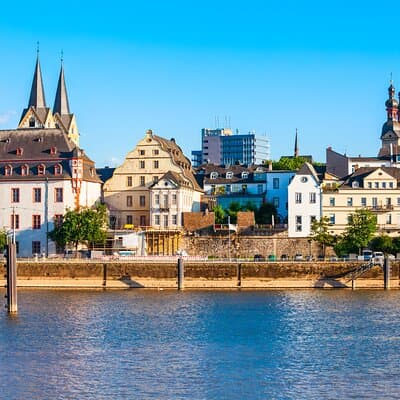
a partir de € 129
Ver disponibilidadePasseios e preços da Viator, uma empresa Tripadvisor. Os preços mudam conforme as datas. Podemos receber uma comissão se você reservar, sem custo extra.
Koblenz's cuisine is hearty Rhineland fare, designed to fuel explorations and ward off the river chill. Expect generous portions of meat, potatoes, and cabbage, perfectly paired with the region's crisp white wines or a cool Kölsch beer. The true gems are the seasonal Straußwirtschaften, temporary wine taverns opened by winemakers in nearby villages.
Look for a 'Tageskarte' (daily menu) for the freshest and best-value dishes, often featuring seasonal ingredients.
These are often only open for a few weeks or months (spring and autumn). Look for a broom or wreath above the door—the traditional sign.
Service can be slower in traditional beer gardens as the focus is on relaxation. It's polite to find your own table.
The Löhr-Center and Forum Confluentes areas have the highest concentration of international chain and fast-casual restaurants.
Spring sees the city awakening, with blooming flowers in the parks along the Rhine and comfortable temperatures perfect for walking. The vineyards on the hillsides begin to turn green.
Pros:
Cons:
Summer is peak season, with long, warm days ideal for river cruises, cable car rides, and fortress exploration. The city is vibrant, with outdoor festivals and bustling beer gardens.
Pros:
Cons:
Autumn brings stunning foliage to the river valleys, creating a picturesque backdrop. It's the season of wine harvest, with many local festivals (Weinfeste) in the surrounding villages.
Pros:
Cons:
Winter is cold and often gray, but the city compensates with the magical Koblenz Christmas Market, one of the most beautiful in Germany, set against the historic Old Town.
Pros:
Cons:
Compare preços de trens, ônibus e voos para Koblenz
Digite sua cidade de partida para ver preços

40 min by car (train+bus combo takes ~1.5 hours)
Journey to one of Germany's most fairy-tale castles, Burg Eltz, nestled in a hidden forest valley. This stunning, privately-owned medieval castle has never been destroyed and is filled with original furnishings. Combine it with a drive through the scenic Moselle Valley.
30 min by train or 25 min by car
Visit the only hill castle on the Rhine that was never destroyed. Marksburg Castle offers an authentic medieval experience with its intact defenses and living quarters. The tour provides a fascinating glimpse into knightly life, high above the charming half-timbered town of Braubach.
20 min by train or 30 min by KD Rhine cruise
Take a short trip south to the charming wine town of Boppard, famous for its location on the largest bend in the Rhine River. Ride the Sesselbahn chairlift up to the Vierseenblick viewpoint for the optical illusion of four separate lakes, and enjoy excellent Riesling in local taverns.
Koblenz is moderately priced for Germany. Costs are higher than in Eastern Germany but generally lower than in major cities like Munich or Frankfurt. The biggest expenses are accommodation (especially during festivals) and paid attractions like the fortress and cable car.
Budget
€50-70 per person for hostels, supermarket meals, free sights, and walking/public transport.
per day
Mid-Range
€100-150 per person for a private hotel/B&B, meals at mid-range restaurants, paid attractions, and some taxis.
per day
Luxury
€200+ per person for 4-star riverside hotels, fine dining, private tours, and premium experiences like gourmet wine tastings.
per day
A charming, often-overlooked complex of half-timbered houses tucked between the Rhine promenade and the Electoral Palace, originally built for a 1925 exhibition.
It feels like a peaceful village within the city, housing several wine taverns and restaurants where you can sample regional wines in a quaint, less touristy setting than the main squares.
A long, beautiful park and tree-lined promenade stretching south from Deutsches Eck along the Rhine bank.
It's a favorite local spot for jogging, walking, and relaxing away from the crowds. You'll find monuments, flower beds, and peaceful spots to watch the river traffic, offering a more serene experience than the bustling Deutsches Eck.
A 10-meter tall, modern spiral column located on the Josef-Görres-Platz, near the Liebfrauenkirche.
This artistic column tells 2,000 years of Koblenz history through intricate engraved scenes, from Roman times to the present. It's a fascinating, free, and quick visual history lesson that most tourists walk right past.
A well-preserved, moated medieval castle from the 13th century, now housing the City Archives, nestled quietly on the banks of the Moselle.
Overshadowed by the massive Ehrenbreitstein, this smaller castle offers an intimate look at medieval architecture and a picturesque courtyard, often devoid of the fortress's crowds.
The ruins of a grand 19th-century villa and its overgrown English landscape garden in the Karthause district, high above the city.
It's a wonderfully atmospheric and melancholic spot for a walk, offering unique, crumbling architecture and quiet forest paths with partial city views, popular with locals but unknown to most tourists.
Koblenz culture is defined by its riverine location, Catholic Rhineland traditions, and a deep-seated pride in its wine and history. It's a conservative yet welcoming city where local festivals (like the Schängelmarkt) are taken seriously. The pace is relaxed, and life often revolves around the community, the church, and the seasonal rhythms of the vineyards.
Absolutely. While it's a major cruise stop, Koblenz is a compelling destination in its own right. Its historic center, impressive fortress, unique cable car crossing, and role as a gateway to the castle-dotted Rhine and Moselle valleys offer plenty for independent travelers, history buffs, and wine lovers for at least 2-3 days.
The most scenic and popular way is via the Rhine Cable Car (Rheinseilbahn) from the station near the Deutsches Eck. A round-trip ticket includes entry to the fortress grounds. You can also take a passenger ferry across the Rhine and walk up, or drive and park at the top, though parking is limited.
We recommend 2 full days as a minimum. This allows one day to explore the Altstadt, Deutsches Eck, and take the cable car to the fortress, and a second day for a Rhine cruise or a day trip to a nearby castle like Marksburg. Add an extra day if you want to explore the Moselle wine villages in depth.
No, it's not necessary. In hotels, major tourist attractions, restaurants, and shops in the city center, you will find that English is widely spoken, especially by younger people. Learning a few basic German phrases, however, is always appreciated and enhances the experience.
It depends on your itinerary. Calculate the individual costs of the attractions you plan to visit (fortress entry, cable car, museums) plus public transport. If you plan to do several paid activities in one or two days, the 24 or 48-hour Koblenz Card usually offers significant savings and convenience.
Yes, very easily. The KD Rhine cruise line offers daily scheduled services south from Koblenz, passing dozens of castles. You can also use the efficient regional train network (RB/RE lines) that runs along both the Rhine and Moselle valleys, stopping in towns close to many castles, like Braubach for Marksburg.
Koblenz has excellent indoor options. Visit the Middle Rhine Museum in the Forum Confluentes, explore the extensive interior exhibits of the Ehrenbreitstein Fortress (Landesmuseum), go shopping in the Löhr-Center or the historic passageways, or simply settle into a cozy Weinstube (wine tavern) for a long tasting session.
For the most authentic experience, take a short local train to a wine village like Winningen or Güls and visit a family-run winery or Straußwirtschaft. In the city itself, the Weindorf complex or traditional restaurants like Weinhaus Hubertus offer excellent selections of local Mittelrhein and Mosel Rieslings.
Custos diários habituais para um viajante, com base nos preços médios em Germany.
| Econômico | Intermediário | Confortável | |
|---|---|---|---|
| Hospedagem (por noite) | € 45 | € 105 | € 175 |
| Comida e bebida (por dia) | € 16 | € 35 | € 70 |
| Passeios e atividades (por dia) | € 8 | € 22 | € 50 |
| Total por dia | € 69 | € 162 | € 295 |
As estimativas não incluem voos nem transporte de longa distância. Compare os custos diários entre cidades
Hotéis perto do centro de Coblença, do econômico ao luxo. Os preços são diárias habituais na nossa última consulta.
 Econômico
 Econômico
 Intermediário
 Intermediário
 Superior
Os preços dos hotéis vêm da Traveloka, consultados pela última vez em 4 de fevereiro de 2026, e variam conforme as datas. Podemos receber uma comissão se você reservar pelos nossos links, sem custo adicional para você.
Conexões populares de trem, ônibus e avião, com tempos de viagem e tarifas.
Deixe a IA criar o roteiro perfeito para sua viagem a Coblença. Apenas descreva o que você quer experimentar.
Planejar viagem para Coblença

