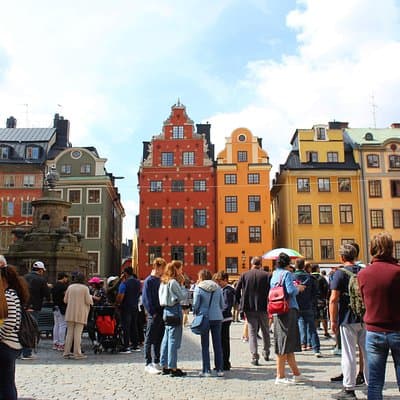
Estocolmo: Excursão a pé pela Cidade Velha
4.91.522 avaliações2h 30m
a partir de € 20
Ver disponibilidade
Sweden
Stockholm isn't just a city; it's an archipelago of 14 islands where cobblestone streets in Gamla Stan whisper 13th-century secrets, while the sleek, minimalist boutiques of Östermalm showcase why Sweden is a global design powerhouse. You can spend your morning marveling at the impossibly preserved 17th-century warship Vasa and your afternoon kayaking through the tranquil waterways of Djurgården, all before a dinner of innovative New Nordic cuisine that redefines local ingredients.
The city operates on a rhythm of 'lagom'—the Swedish philosophy of 'just the right amount'—balancing vibrant urban energy with a profound connection to nature. This is a place where you can take a subway ride to view world-class art installations in the metro stations, then hop on a ferry for a sunset cruise through the 30,000-island archipelago, experiencing the seamless blend of innovation and natural beauty that defines the Swedish capital.
A Living Museum Archipelago: Explore the world's first National City Park, Ekoparken, which spans central islands like Djurgården, home to open-air museums Skansen and the Vasa Museum. Then, escape to the outer archipelago for wild swimming and rustic cabins.
Design & Innovation at Every Turn: From the curated elegance of Svenskt Tenn and the Acne Archives to the futuristic exhibits at Tekniska Museet and the art-filled T-Centralen metro station, Stockholm is a masterclass in functional beauty.
A Deep Dive into Maritime & Royal History: Stand beneath the towering, ornate Vasa, a warship that sank on its maiden voyage in 1628, and tour the 600+ rooms of the Royal Palace, witnessing the daily Changing of the Guard ceremony.
The Epicenter of Swedish Pop Culture: Sing your heart out at ABBA The Museum, a high-tech interactive shrine, and explore Fotografiska for cutting-edge contemporary photography in a stunning Art Nouveau building.
A Food Scene Rooted in Nature & 'Fika': Experience 'New Nordic' philosophy at restaurants like Oaxen Slip, indulge in classic cinnamon buns at a traditional 'fik', and sample the city's surprisingly diverse craft beer scene in Södermalm's pubs.
A Model of Sustainable Urban Living: Witness a city where 95% of the population lives within 300 meters of green space, organic food is the norm, and you can drink tap water straight from Lake Mälaren.
Pronto para explorar Estocolmo?
The medieval heart of Stockholm, a labyrinth of narrow, winding cobblestone lanes and ochre-colored buildings. This is where the city was founded in 1252, and the atmosphere is thick with history and old-world charm.
Highlights:
Best for:
Once a working-class district, 'Söder' is now Stockholm's effortlessly cool, bohemian hub. It's defined by vintage shops, indie galleries, hip cafes, and stunning panoramic views from cliffs like Fjällgatan.
Highlights:
Best for:
The elegant and upscale quarter of Stockholm, known for its grand boulevards, stately architecture, high-end designer stores, and sophisticated dining. It's also home to beautiful parks and cultural institutions.
Highlights:
Best for:
A relaxed, residential island with a vibrant waterfront. It's famous for its iconic City Hall, where the Nobel Prize banquet is held, and offers lovely parks, local cafes, and peaceful walks along Lake Mälaren.
Highlights:
Best for:
Os passeios e ingressos que os viajantes mais reservam, com avaliações da Viator.
a partir de € 20
Ver disponibilidade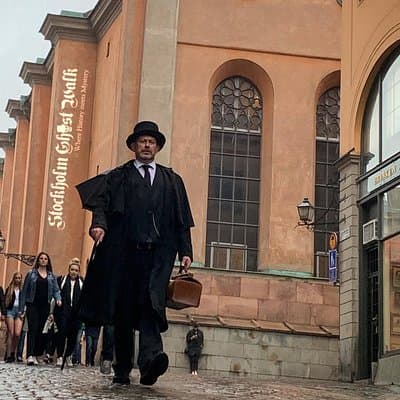
a partir de € 24
Ver disponibilidade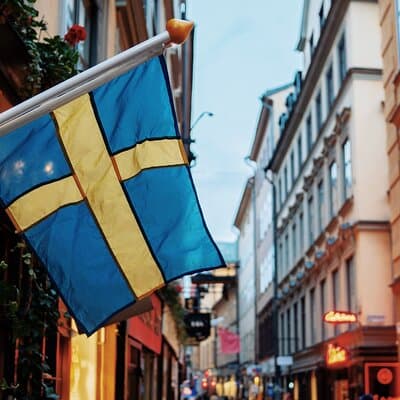
a partir de € 46
Ver disponibilidade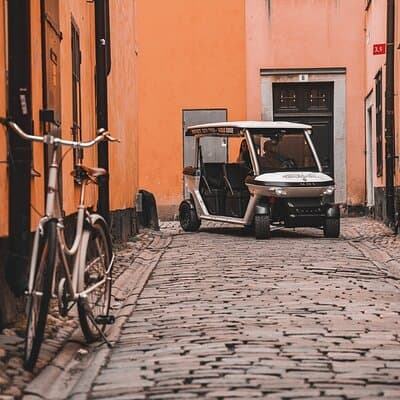
Passeios e preços da Viator, uma empresa Tripadvisor. Os preços mudam conforme as datas. Podemos receber uma comissão se você reservar, sem custo extra.
Stockholm's food culture masterfully blends timeless tradition with groundbreaking innovation. The 'New Nordic' philosophy emphasizes hyper-local, seasonal, and foraged ingredients, while classic 'husmanskost' (home cooking) and the sacred ritual of 'fika' remain pillars of daily life.
Look for daily 'Dagens Rätt' (dish of the day) lunch specials for an affordable taste of home cooking.
Book reservations months in advance for top-tier restaurants. Consider their more casual sister bistros for a similar ethos at a lower price.
A proper 'fika' involves sitting down with your pastry and coffee, not taking it to go. It's a moment to relax.
Go hungry and graze. Food halls are perfect for sampling multiple vendors, from oysters to Korean tacos.
Spring arrives slowly, with April and May bringing longer days, blooming flowers in Kungsträdgården, and a palpable sense of awakening. The archipelago begins to stir, but the water is still cold.
Pros:
Cons:
Stockholm shines under the Midnight Sun. Days are long (up to 18 hours of light), temperatures are pleasant, and the city pulses with outdoor festivals, park life, and archipelago swimming.
Pros:
Cons:
September and October paint the city in gold and red. The air turns crisp, 'mys' (cozy) season begins, and cultural life moves indoors. It's a time for museum visits and warm 'fika'.
Pros:
Cons:
A magical, cold season with short days and potential snow cover. Christmas markets glow, and if you're lucky, you might see the Northern Lights on the city's outskirts. It's the season for 'Julbord' (Christmas buffet).
Pros:
Cons:
Compare preços de trens, ônibus e voos para Stockholm
Digite sua cidade de partida para ver preços

38 min by train
Sweden's historic university town and former religious center. It's a charming blend of youthful energy, deep Viking history, and a stunning cathedral that dominates the skyline.
2.5 hours by ferry (from Strömkajen)
The quintessential archipelago experience. This bustling sailing hub in the outer archipelago offers picturesque wooden houses, sandy beaches, excellent seafood, and a true sense of island escape.
1 hour 15 min by train + short ferry
A fairytale Renaissance castle dramatically situated on the shores of Lake Mälaren. The journey includes a scenic steam railway or a picturesque ferry ride to the idyllic town of Mariefred.
Stockholm is one of Europe's more expensive cities, but smart planning can make it manageable. Costs are high for dining out and alcohol, but many world-class attractions are affordable or even free.
Budget
€70-100 for budget travelers (hostel, supermarket meals, free sights, public transport)
per day
Mid-Range
€150-250 for mid-range (3-star hotel, mix of casual dining and cafes, paid attractions, transport)
per day
Luxury
€400+ for luxury (4-5 star hotel, fine dining, private tours, taxis)
per day
A UNESCO World Heritage Site, this is a breathtakingly beautiful and serene cemetery designed by architects Asplund and Lewerentz, blending architecture, nature, and spirituality.
It's a profound architectural masterpiece and a place for peaceful reflection, far from the typical tourist trail, showcasing a unique and moving side of Swedish design.
The former home and studio of sculptor Carl Milles, perched on a cliff on Lidingö island, featuring his dramatic sculptures in stunning terraced gardens with panoramic views.
The combination of dramatic art, beautiful gardens, and incredible views over Stockholm's waterways offers a tranquil and culturally rich escape that most visitors miss.
A tiny, charming, and independent cinema in Södermalm that screens a mix of classic, indie, and arthouse films in a single, intimate, retro-styled auditorium.
It captures the authentic, local vibe of Södermalm and offers a cozy, old-world cinema experience—perfect for a rainy evening like a true Stockholmer.
A historic elevator (or a walk up the hill) in Södermalm that leads to a stunning, less-crowded panoramic viewpoint over Gamla Stan and Slussen.
It offers one of the best views in the city but is often overlooked by tourists who flock to the more famous Skinnarviksberget or Gondolen.
A biodynamic garden, orchard, and bakery on Djurgården where you can pick your own flowers, buy organic produce, and enjoy simple food in a greenhouse café.
It's a slice of rustic, sustainable paradise in the heart of the city, embodying the Swedish love for nature and 'lagom' perfectly. The apple cake is legendary.
Swedish culture values equality, moderation ('lagom'), and a deep respect for nature and personal space. Society is informal yet orderly, with a strong emphasis on consensus, sustainability, and work-life balance. The famous 'Swedish reserve' melts away after a few drinks or in shared nature experiences.
Yes, almost entirely. Credit/debit cards (especially Visa/Mastercard) are accepted everywhere, even for tiny purchases like a hot dog from a street stall. It's advisable to carry a small amount of cash only for rare exceptions or flea markets.
No. English proficiency is exceptionally high in Sweden. Virtually everyone you meet in Stockholm, from museum staff to bus drivers, will speak fluent English. Learning a few basic Swedish phrases is appreciated as a courtesy.
For a taste, use your SL card on the commuter ferries (like line 80 to Fjäderholmarna). For longer trips, companies like Waxholmsbolaget and Strömma run ferries to further islands like Grinda, Sandhamn, and Utö. Book popular routes in advance during summer.
It can be, but you need to plan aggressively. Calculate the individual entry fees for the attractions you definitely want to see (Vasa, Fotografiska, boat tours, etc.) and add the cost of a transport pass. If it exceeds the pass price, it's a good deal. It also allows skip-the-line access at some sites.
Walking combined with the excellent public transport (SL). The city center is very walkable. For longer distances, the metro and buses are efficient. A multi-day SL travel card is the most convenient and cost-effective option for unlimited travel.
It's rare but possible during periods of high solar activity on clear, dark winter nights. Your best chance is to get away from city lights, such as in the nearby Tyresta National Park or the Archipelago. For a guaranteed sighting, a trip to Swedish Lapland is necessary.
Layers are key. Pack t-shirts, a light sweater, a waterproof/windproof jacket, comfortable walking shoes, and a swimsuit for archipelago dips. Even in summer, evenings can be cool, and rain showers are common. Don't forget sunglasses for the long days.
Be wary of overpriced souvenir shops on the main drag of Gamla Stan (Västerlånggatan). The 'Changing of the Guard' at the Royal Palace is a genuine spectacle, but skip the expensive guided tours of the palace interior if you're on a budget—the audio guide is excellent. Also, avoid eating at generic restaurants in the absolute tourist center.
Custos diários habituais para um viajante, do econômico ao confortável.
| Econômico | Intermediário | Confortável | |
|---|---|---|---|
| Hospedagem (por noite) | € 55 | € 135 | € 225 |
| Comida e bebida (por dia) | € 22 | € 45 | € 85 |
| Passeios e atividades (por dia) | € 10 | € 28 | € 60 |
| Total por dia | € 87 | € 208 | € 370 |
As estimativas não incluem voos nem transporte de longa distância. Compare os custos diários entre cidades
Hotéis perto do centro de Estocolmo, do econômico ao luxo. Os preços são diárias habituais na nossa última consulta.
 Econômico
 Econômico
 Intermediário
 Intermediário
 Superior
 Superior
 Luxo
 Luxo
Os preços dos hotéis vêm da Traveloka, consultados pela última vez em 4 de fevereiro de 2026, e variam conforme as datas. Podemos receber uma comissão se você reservar pelos nossos links, sem custo adicional para você.
Conexões populares de trem, ônibus e avião, com tempos de viagem e tarifas.
Deixe a IA criar o roteiro perfeito para sua viagem a Estocolmo. Apenas descreva o que você quer experimentar.
Planejar viagem para Estocolmo