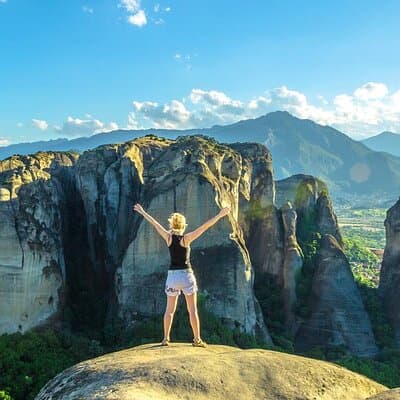
Viagem de dia inteiro a Meteora saindo de Thessaloniki
4.6633 avaliações11h
a partir de € 55
Ver disponibilidade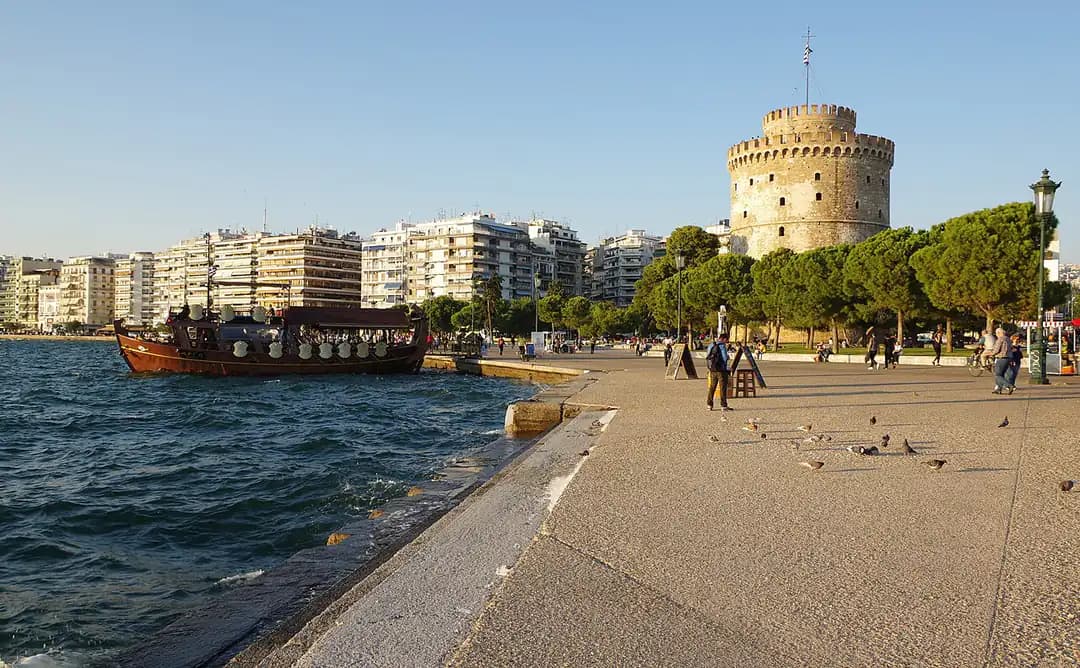
Greece
Thessaloniki isn't just Greece's second city; it's a living, breathing palimpsest where Byzantine domes pierce the sky above Roman forums and Ottoman-era markets hum with modern energy. Forget the postcard-perfect islands—this is where you walk the 4km waterfront promenade from the iconic White Tower to the Concert Hall, stopping for a freddo cappuccino while watching the Thermaic Gulf turn gold at sunset. The real magic happens in the labyrinthine Modiano and Kapani markets, where the scent of oregano, grilled octopus, and fresh bougatsa pastries creates an intoxicating symphony for the senses.
By night, the city transforms. The Ladadika district's cobblestone streets, once slick with olive oil from warehouses, now pulse with live rembetika music and the clinking of ouzo glasses. Meanwhile, the Ano Poli (Upper Town), the only part of the city to survive the Great Fire of 1917, offers a serene escape with its timber-framed houses, Byzantine walls, and breathtaking views. Thessaloniki doesn't just show you history—it lets you taste it in a bowl of trigona panoramata pastry, hear it in the chatter of a crowded taverna, and feel it in the cool marble of the Rotunda, a monument that has served as a Roman mausoleum, Christian church, and Ottoman mosque.
A Byzantine & Roman Open-Air Museum: Explore 15 UNESCO World Heritage sites, including the breathtaking mosaics of Agios Dimitrios, the city's patron saint church, and the massive Rotunda with its 4th-century dome. Walk through the excavated Roman Forum (Agora) and the Arch of Galerius on the same street.
A Legendary Culinary Capital: Indulge in the city's famous street food like koulouri (sesame bread rings) and bougatsa (custard pie), then dive into meze culture at a traditional ouzeri in Ladadika, sampling grilled sardeles (sardines) and saganaki (fried cheese).
Vibrant Waterfront & Urban Life: Stroll, cycle, or skate along the expansive Nikis Avenue waterfront, a social hub dotted with cafes, sculptures, and the iconic Umbrellas installation by Zongolopoulos, leading to the landmark White Tower museum.
Unbeatable Nightlife & Music: Experience the famous nightlife in warehouses-turned-bars in Ladadika, listen to authentic rembetika (Greek blues) in hidden clubs, and enjoy summer open-air cinemas like the historic Olympion.
Atmospheric Historic Markets: Get lost in the sensory overload of Modiano Market, a covered 1920s hall with fishmongers, spice stalls, and butchers, and the adjacent Kapani Market for fresh produce, olives, and local delicacies.
A Gateway to Macedonia: Use the city as a perfect base for unforgettable day trips to the ancient kingdom of Macedonia at Vergina, the monastic community of Mount Athos (viewable from Ouranoupolis), and the stunning beaches of Halkidiki.
Pronto para explorar Salonica?
The historic port district, named after the olive oil (ladi) warehouses that once occupied its stone buildings. Now fully restored, it's the epicenter of Thessaloniki's nightlife and dining, with cobbled streets packed with tavernas, ouzeries, and bars playing everything from traditional music to modern beats.
Highlights:
Best for:
The oldest part of the city, a charming village-like neighborhood perched on the hills above the modern metropolis. Characterized by narrow, winding cobblestone paths, colorful Ottoman-era houses with overhanging upper floors, and stunning panoramic views.
Highlights:
Best for:
The bustling commercial and social heart, rebuilt after the 1917 fire with grand, early 20th-century architecture. A dynamic mix of high-street shopping, elegant cafes on Aristotelous Square, and major cultural landmarks.
Highlights:
Best for:
The city's trendiest and most alternative quarter, where former textile warehouses and industrial spaces have been converted into avant-garde art galleries, concept bars, boutique shops, and hipster cafes. The vibe is creative, youthful, and effortlessly cool.
Highlights:
Best for:
Os passeios e ingressos que os viajantes mais reservam, com avaliações da Viator.
a partir de € 55
Ver disponibilidade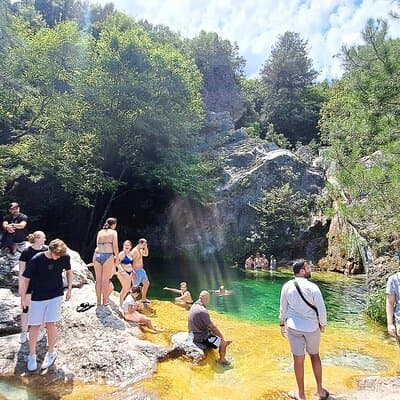
a partir de € 49
Ver disponibilidade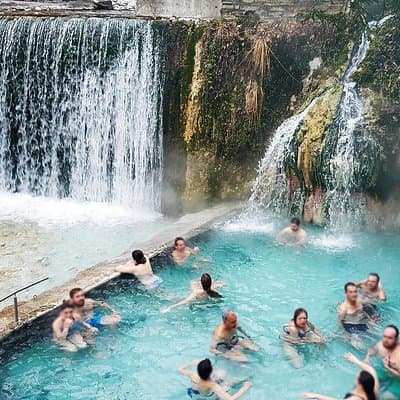
a partir de € 49
Ver disponibilidade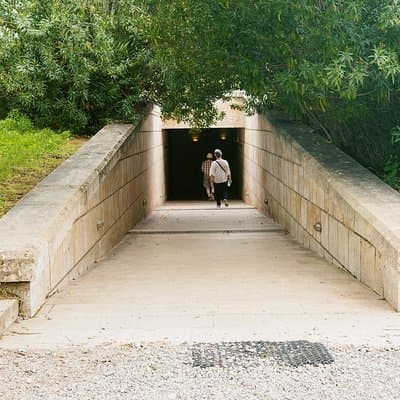
a partir de € 49
Ver disponibilidadePasseios e preços da Viator, uma empresa Tripadvisor. Os preços mudam conforme as datas. Podemos receber uma comissão se você reservar, sem custo extra.
Thessaloniki's food culture is a proud, hearty reflection of its history as a crossroads. It's defined by meze (small plates) meant for sharing, incredible seafood from the Thermaic Gulf, and a legacy of Pontic and Anatolian influences from the 1923 population exchange. Dining is a social, lengthy affair centered around conversation.
Lunch starts late (around 2 PM) and dinner even later (after 9 PM). Embrace the local schedule.
The best koulouri are found in the morning from vendors near office buildings. They're freshest and warmest.
For the best seafood, look for simple tavernas in the Kalamaria district, away from the tourist center.
Visit a 'zacharoplasteio' (patisserie) in the late afternoon for coffee and a sweet treat, a daily ritual for locals.
Spring is glorious, with mild temperatures, blooming flowers in the parks, and vibrant outdoor cafe life. The city awakens from winter, and cultural events begin.
Pros:
Cons:
Hot, dry, and bustling. The waterfront is alive day and night, and the city's energy is infectious. This is festival and open-air cinema season.
Pros:
Cons:
Often considered the best time to visit. The summer heat subsides, the light is golden, and the sea remains warm enough for swimming into October. The cultural calendar is full.
Pros:
Cons:
Cool and damp, with a more local feel. While not bitterly cold, it's the quietest season. The magic is in cozy tavernas, Christmas decorations, and clear views from Ano Poli.
Pros:
Cons:
Compare preços de trens, ônibus e voos para Thessaloniki
Digite sua cidade de partida para ver preços

1 hour by car or bus
Journey to the first capital of ancient Macedonia and the burial site of its kings, most famously Philip II, father of Alexander the Great. The underground museum built within the Great Tumulus is a breathtaking archaeological experience.
1 to 1.5 hours by car or KTEL bus
Explore the stunning three-pronged peninsula famous for its crystal-clear waters and golden beaches. Each 'finger' has a different character: Kassandra for nightlife, Sithonia for pristine nature, and Athos for monastic seclusion.
45 min to Pella, 1.5 hours to Edessa by car or bus
A combined trip to two significant Macedonian sites. Pella was the later capital of the kingdom, famed for its exquisite floor mosaics. Edessa is a picturesque town known for its stunning waterfalls cascading through the town center.
Thessaloniki offers excellent value for money, especially compared to Western European capitals or Greek islands. Food, drink, and public transport are very affordable, while accommodation can range from budget hostels to luxury hotels.
Budget
€40-60 for budget travelers (hostel dorm, street food, free sights, public transport)
per day
Mid-Range
€80-150 for mid-range (private hotel room, taverna meals, museum tickets, occasional taxi)
per day
Luxury
€200+ for luxury (boutique or 5-star hotel, fine dining, private tours, premium experiences)
per day
The imposing Byzantine and Ottoman fortress at the highest point of Ano Poli, often overshadowed by the city walls.
It offers the most spectacular, uninterrupted 360-degree views of the entire city and the Thermaic Gulf, with far fewer visitors than the more accessible viewpoints.
The 'Baths of Paradise', a beautifully restored 15th-century Ottoman bathhouse hidden just off Venizelou Street.
It's a serene architectural masterpiece often missed by tourists. It now hosts cultural events and exhibitions, offering a peaceful respite from the busy streets.
A poignant museum documenting the once-thriving Sephardic Jewish community, which formed the majority of the city's population for centuries.
It tells a crucial, often overlooked chapter of the city's history. The community was nearly eradicated in the Holocaust, and the museum is a powerful and moving tribute.
A small, fragrant street (Mitropoleos) near Modiano Market dedicated entirely to flower shops.
It's a burst of color and scent, especially in the morning. It's where locals buy flowers for every occasion, offering an authentic and photogenic slice of daily life.
The original 19th-century railway station, now decommissioned, with a small but fascinating museum of railway history on its grounds.
It's a beautiful piece of industrial archaeology with a melancholic charm. The museum's old locomotives and carriages provide a unique perspective on the city's modern development.
Thessaloniki's culture is defined by its layered history—Byzantine, Ottoman, Jewish, and modern Greek—creating an open, cosmopolitan, and fiercely proud identity. It's a city of passionate debate in cafes, late-night socializing, and a deep connection to music, from rembetika to contemporary rock. Hospitality (filoxenia) is paramount.
Yes, Thessaloniki is generally a very safe city for tourists. Standard precautions apply: be aware of pickpockets in crowded markets and on public transport, and avoid poorly lit side streets late at night. Violent crime against tourists is extremely rare.
We recommend a minimum of 2 full days to see the major highlights in the city center and Ano Poli. With 3-4 days, you can explore at a more relaxed pace, dive deeper into the food scene, and take a day trip to a nearby site like Vergina or Halkidiki.
Not for exploring the city itself, which is very walkable with good public transport. However, renting a car is highly recommended if you plan to take multiple day trips to archaeological sites like Vergina or explore the beaches of Halkidiki at your own pace.
Tipping is appreciated but not as formalized as in some countries. In restaurants, it's customary to round up the bill or leave 5-10% for good service, usually in cash left on the table. For cafe drinks, leaving small change is common.
Access to the Mount Athos monastic peninsula is strictly limited to men only, who must obtain a special permit (diamonitirion) well in advance. However, everyone can take a boat cruise from Ouranoupolis to view the monasteries from the sea, which is a spectacular experience.
Thessaloniki's passenger port is right next to the Ladadika district, an easy 10-15 minute walk from Aristotelous Square. Taxis are also readily available at the port entrance. There is no need for special transport.
Yes, especially in tourist areas, hotels, restaurants, and among younger people. In more traditional markets or with older generations, you may encounter less English, but Greeks are famously hospitable and will try to help regardless. Learning a few basic Greek phrases is always appreciated.
Greece uses Type C and Type F plugs (two round pins). The standard voltage is 230V, and the frequency is 50Hz. Travelers from North America and the UK will need a plug adapter, and may need a voltage converter for some appliances.
Custos diários habituais para um viajante, com base nos preços médios em Greece.
| Econômico | Intermediário | Confortável | |
|---|---|---|---|
| Hospedagem (por noite) | € 35 | € 85 | € 150 |
| Comida e bebida (por dia) | € 14 | € 30 | € 58 |
| Passeios e atividades (por dia) | € 7 | € 18 | € 42 |
| Total por dia | € 56 | € 133 | € 250 |
As estimativas não incluem voos nem transporte de longa distância. Compare os custos diários entre cidades
Hotéis perto do centro de Salonica, do econômico ao luxo. Os preços são diárias habituais na nossa última consulta.
 Econômico
 Econômico
 Intermediário
 Intermediário
 Superior
 Superior
 Luxo
 Luxo
Os preços dos hotéis vêm da Traveloka, consultados pela última vez em 4 de fevereiro de 2026, e variam conforme as datas. Podemos receber uma comissão se você reservar pelos nossos links, sem custo adicional para você.
Conexões populares de trem, ônibus e avião, com tempos de viagem e tarifas.
Deixe a IA criar o roteiro perfeito para sua viagem a Salonica. Apenas descreva o que você quer experimentar.
Planejar viagem para Salonica