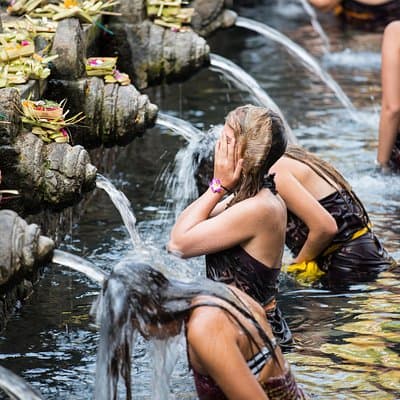
O melhor de Ubud Tour de dia inteiro com Jungle Swing
5.09.210 avaliações10h
a partir de € 53
Ver disponibilidade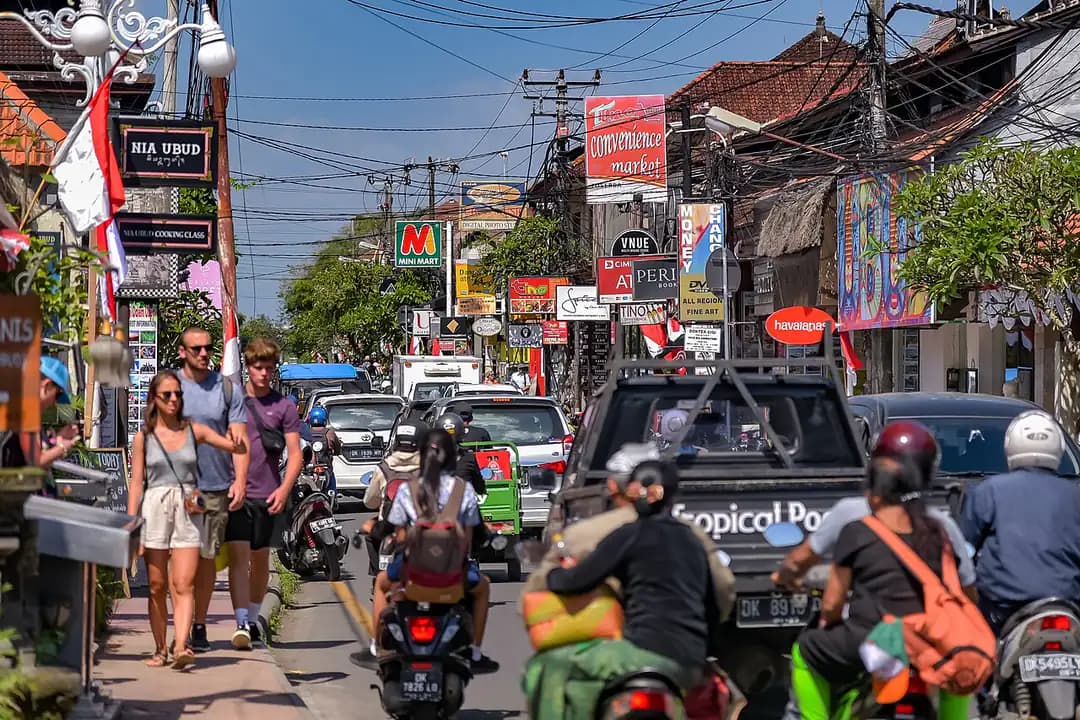
Indonesia
Ubud isn't just a town; it's a feeling. The moment you arrive, the air shifts—thick with the scent of frangipani and incense, punctuated by the rhythmic chants from family temples. This is Bali's cultural soul, where emerald rice terraces like Tegallalang cascade down hillsides, ancient banyan trees guard the Sacred Monkey Forest, and the sacred springs of Tirta Empul offer a tangible connection to centuries of spiritual practice. Forget the generic wellness retreat; Ubud's magic lies in its authenticity—watching a Legong dancer's precise movements at the Ubud Palace, bartering for handwoven ikat at the morning market, or finding silence in the Campuhan Ridge Walk at dawn.
Beyond the 'Eat Pray Love' cliché, Ubud is a dynamic tapestry of art, nature, and community. You'll find world-class contemporary galleries like Neka Art Museum alongside family-run workshops in Penestanan, where local painters have worked for generations. The cuisine is a revelation, from smoky babi guling (suckling pig) at Ibu Oka to innovative plant-based feasts at Locavore. It's a place where you can spend your morning in a yoga shala overlooking the jungle, your afternoon trekking to hidden waterfalls like Kanto Lampo, and your evening at a gamelan performance under the stars. Ubud doesn't just host you; it immerses you.
A Deep Dive into Living Culture: Witness the hypnotic Kecak fire dance at the Ubud Palace, participate in a Melukat purification ritual at Tirta Empul, and learn to make canang sari (daily offerings) in a local compound. This is culture you don't just see, but experience.
A World-Class Wellness & Yoga Epicenter: From sunrise Vinyasa at The Yoga Barn to silent meditation retreats and holistic healing sessions with Balinese healers (balian), Ubud offers transformative practices set amidst serene jungle and rice field backdrops.
Breathtaking Natural Landscapes: Trek through the iconic, UNESCO-recognized Tegallalang Rice Terraces, wander the mystical paths of the Sacred Monkey Forest Sanctuary, and discover secluded waterfalls like Tegenungan or Tibumana just a short scooter ride away.
An Unparalleled Arts & Crafts Scene: Explore the painterly village of Penestanan, browse intricate silverwork in Celuk, watch woodcarvers at work in Mas, and find unique treasures at the Ubud Art Market, supporting generations of artisan families.
A Culinary Destination for All Palates: Savor authentic warung fare like lawar (spiced salad) and bebek betutu (slow-cooked duck), indulge in award-winning fine dining, and enjoy the vibrant cafe culture that fuels the digital nomad community.
A Hub for Adventure & Exploration: Use Ubud as a base for cycling through rural villages, white-water rafting on the Ayung River, hiking Mount Batur for sunrise, or taking a day trip to the majestic temples of East Bali.
Pronto para explorar Ubud?
The bustling heart of Ubud, centered around the Royal Palace and the main market. This area is alive with energy, packed with restaurants, shops, art galleries, and cultural venues. It's where you'll feel the pulse of the town.
Highlights:
Best for:
A quieter, more residential area perched on the western ridges overlooking the Ayung River gorge. Known as the 'artist's village,' it's lush, peaceful, and home to many yoga studios, high-end resorts, and villas with stunning views.
Highlights:
Best for:
Centered around the famous Sacred Monkey Forest, this neighborhood is a mix of tourist-focused shops and cafes with a dense, jungle-like atmosphere. It's vibrant, green, and constantly buzzing with visitors.
Highlights:
Best for:
The iconic rice terrace country. This area is more rural, with sweeping vistas of cascading emerald paddies, cooler air, and a slower pace of life. It's perfect for escaping the town center and immersing in Bali's postcard-perfect landscapes.
Highlights:
Best for:
Os passeios e ingressos que os viajantes mais reservam, com avaliações da Viator.
a partir de € 53
Ver disponibilidade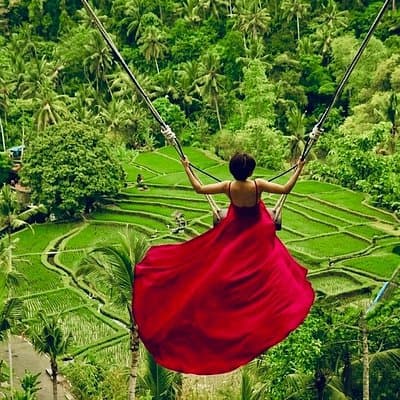
a partir de € 25
Ver disponibilidade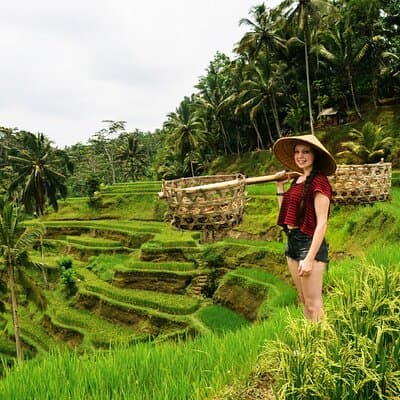
a partir de € 29
Ver disponibilidadePasseios e preços da Viator, uma empresa Tripadvisor. Os preços mudam conforme as datas. Podemos receber uma comissão se você reservar, sem custo extra.
Ubud's food scene is a thrilling fusion of deeply traditional Balinese warung cuisine and a globally influenced, health-conscious cafe culture. From smoky street-side satay to multi-course plant-based feasts, it caters to every palate and budget, making it a true foodie destination.
Look for places packed with locals, often with simple plastic chairs. Point at what you want in the glass display.
Many cafes offer strong Wi-Fi and power outlets, making them perfect for digital nomads to work for hours.
The Night Market near the football field is best visited after 6 PM. Follow your nose and see where locals are queuing.
Book fine dining well in advance. For unique settings, consider restaurants with 'rice field' or 'river' in their name.
Spring (March-May) marks the end of the rainy season. Days are warm and humid, with lush, vibrant greenery. Occasional showers still occur, but sunshine is plentiful.
Pros:
Cons:
Summer (June-August) is peak dry season. Expect sunny, hot days with low humidity, clear skies, and cool, pleasant evenings. This is the most popular time to visit.
Pros:
Cons:
Autumn (September-October) is the tail end of the dry season. Weather remains excellent—warm and mostly dry—but the crowds begin to thin out as the month progresses.
Pros:
Cons:
Winter (November-February) is the rainy season. Days are still warm (around 26-28°C) but characterized by heavy, often brief, tropical downpours, usually in the afternoons or evenings.
Pros:
Cons:
Compare preços de trens, ônibus e voos para Ubud
Digite sua cidade de partida para ver preços

1.5-2 hours by car or private driver
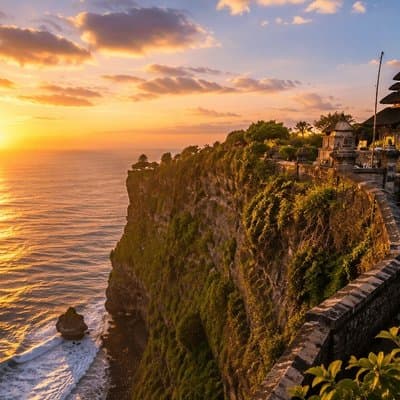
Explore Bali's most majestic and important sea temples. This journey offers stunning coastal scenery and profound spiritual sites, showcasing the island's Hindu-Buddhist heritage against dramatic backdrops.
1 hour by car, then 2-hour hike (early morning departure)
An unforgettable adventure to watch the sunrise from an active volcano. The moderate hike rewards you with panoramic views over the caldera lake and surrounding mountains.
1 hour to Jatiluwih, then 1.5 hours to Tanah Lot by car
Experience Bali's most spectacular UNESCO-listed rice terraces without the crowds of Tegallalang, followed by a visit to the iconic sea temple at sunset.
Ubud can be experienced on a wide range of budgets. While luxury is readily available, it's also one of the best places in Bali for affordable, high-quality food, accommodation, and activities.
Budget
$25-40 USD for dorm beds, local warung meals, scooter rental, and free activities.
per day
Mid-Range
$70-150 USD for a private villa or boutique hotel, restaurant meals, occasional taxis, and paid tours/classes.
per day
Luxury
$250+ USD for 5-star resorts, fine dining, private drivers, and bespoke wellness/spa experiences.
per day
A serene and lesser-known water temple north of Ubud, dedicated to the Hindu god Vishnu.
It features beautiful bathing pools and shrines surrounded by lush gardens, but receives only a fraction of the crowds of Tirta Empul, offering a more peaceful spiritual experience.
A stunning, quiet grove of towering bamboo located near the village of Bangkiang Sidem.
Unlike other spots, it's not a formal attraction—just a magical, naturally occurring forest perfect for a tranquil walk and incredible photos without an entrance fee or crowds.
A 'temple of the dead' near Penestanan, known for its hauntingly beautiful and intricate stone carvings of mythological scenes.
It's off the standard tourist trail, offering an authentic and atmospheric glimpse into Balinese beliefs about the afterlife, with almost no other visitors.
A community-run, open-air bamboo library and learning space in the middle of a rice field.
It embodies the spirit of community and learning in Ubud. Relax with a book, chat with locals, and enjoy a stunning rice field view in a totally non-commercial setting.
A working organic farm and chocolate factory located in a traditional village.
Take a tour to see sustainable cacao farming, learn to make chocolate, and taste incredible single-origin bars. It's a delicious and educational look at Bali's agricultural bounty.
Balinese Hindu culture, known as Agama Hindu Dharma, permeates every aspect of life in Ubud. It's a harmonious blend of spirituality, community (banjar), and artistic expression. Daily rituals, vibrant ceremonies, and a deep respect for nature (Tri Hita Karana) are visible everywhere, from family compounds to public temples.
Ubud is generally very safe, with low violent crime. The main concerns are petty theft (don't leave valuables on scooters), traffic accidents, and monkey bites in the Sacred Monkey Forest—secure your belongings and don't carry food near the monkeys.
Citizens of over 160 countries, including the US, UK, Canada, Australia, and most of the EU, receive a 30-day Visa on Arrival (VOA) for tourism. This can be extended once for another 30 days. Check the latest requirements before you travel.
No. Always drink bottled or filtered water. Most hotels and restaurants provide filtered water. Avoid ice in cheap street drinks unless you're sure it's from a filtered source. Use bottled water for brushing your teeth to be safe.
For the town center, walking is best. To explore the surrounding areas, renting a scooter offers the most freedom (if experienced). For day trips or hassle-free travel, hire a private driver for the day—it's affordable and convenient. Use Gojek/Grab apps for short taxi rides.
Modestly. Both men and women must cover shoulders and knees. Sarongs and sashes are mandatory at most temples; you can often rent them at the entrance for a small donation (10k-20k IDR), but it's cheaper and more hygienic to bring your own.
Yes, but with planning. The heat, traffic, and uneven sidewalks can be challenging with strollers. Many villas have pools, and activities like rice field walks, monkey forest visits (with caution), and cultural shows are engaging for kids. Opt for accommodations away from the noisy main roads.
A minimum of 3-4 days is recommended to experience the core cultural sites, a cooking class, and a day trip. To truly unwind, explore the surrounding villages, and dive into the wellness scene, a week or more is ideal.
The long-tailed macaques in the Sacred Monkey Forest are wild and can be aggressive. Do not carry food, drinks, or plastic bags. Secure sunglasses, hats, and shiny objects. Do not make direct eye contact or try to touch them. If one jumps on you, stay calm and a guard will help.
Custos diários habituais para um viajante, com base nos preços médios em Indonesia.
| Econômico | Intermediário | Confortável | |
|---|---|---|---|
| Hospedagem (por noite) | € 18 | € 50 | € 120 |
| Comida e bebida (por dia) | € 7 | € 16 | € 35 |
| Passeios e atividades (por dia) | € 5 | € 14 | € 32 |
| Total por dia | € 30 | € 80 | € 187 |
As estimativas não incluem voos nem transporte de longa distância. Compare os custos diários entre cidades
Hotéis perto do centro de Ubud, do econômico ao luxo. Os preços são diárias habituais na nossa última consulta.
 Econômico
 Econômico
 Intermediário
 Intermediário
 Superior
 Superior
 Luxo
 Luxo
Os preços dos hotéis vêm da Traveloka, consultados pela última vez em 4 de fevereiro de 2026, e variam conforme as datas. Podemos receber uma comissão se você reservar pelos nossos links, sem custo adicional para você.
Deixe a IA criar o roteiro perfeito para sua viagem a Ubud. Apenas descreva o que você quer experimentar.
Planejar viagem para Ubud