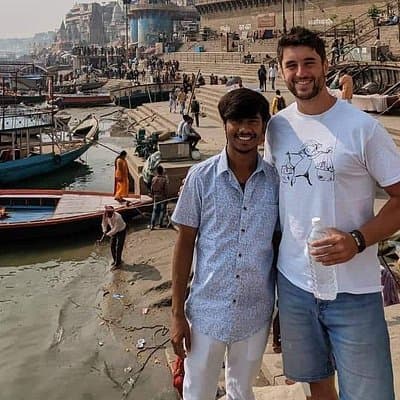
Segredos ocultos de Varanasi: tradição vibrante (visita guiada)
5.0475 avaliações3h
a partir de € 20
Ver disponibilidade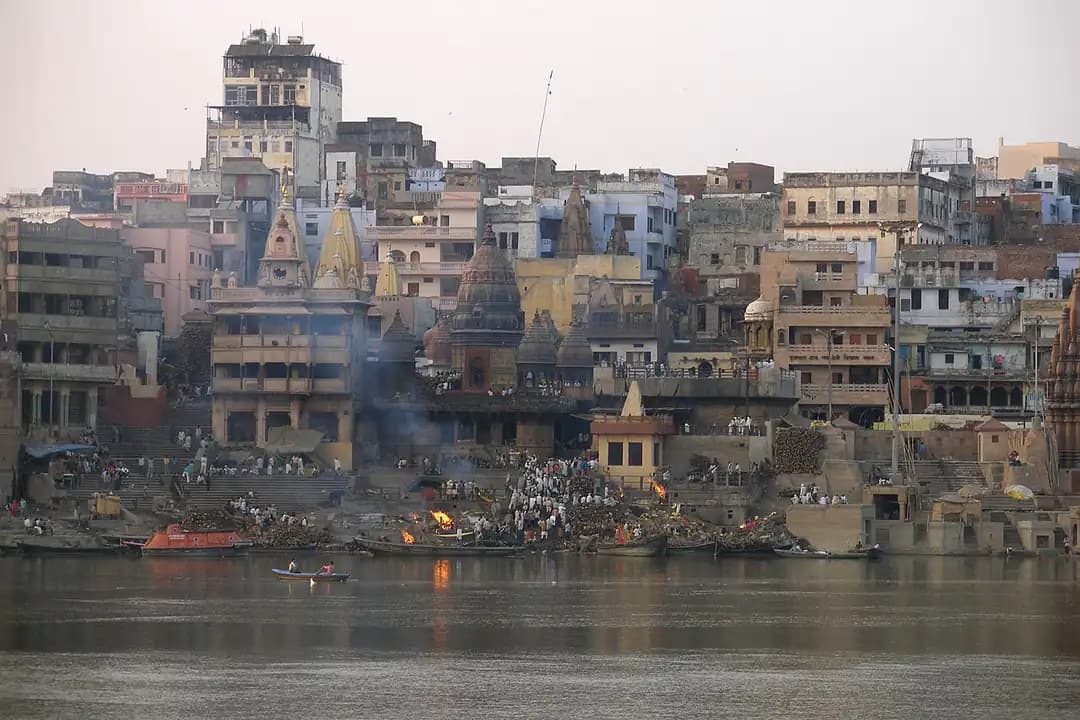
India
Varanasi isn't just a city; it's a visceral encounter with the very essence of life, death, and rebirth. The air hums with chants and temple bells, the scent of marigolds and sandalwood smoke hangs thick, and the ancient stone ghats descending to the Ganges are a living theater of humanity. Here, pilgrims bathe in the sacred waters at dawn, funeral pyres burn ceaselessly at Manikarnika Ghat, and the evening Ganga Aarti at Dashashwamedh Ghat is a breathtaking spectacle of synchronized fire, bells, and devotion that draws thousands.
To walk the labyrinthine galis (alleys) of the Old City is to step back centuries, past vibrant silk shops, hidden temples, and chai stalls. This is Kashi, the 'City of Light,' believed to be founded by Lord Shiva, offering an overwhelming, raw, and profoundly moving experience that challenges and transforms visitors. It's less a sightseeing destination and more an immersive plunge into the spiritual heart of India.
Witness Ancient Spiritual Rituals: Experience the powerful, daily Ganga Aarti ceremony at Dashashwamedh Ghat, observe the cycle of life and death at the cremation ghats, and see pilgrims perform sacred ablutions in the Ganges at sunrise.
Explore One of the World's Oldest Cities: Get lost in the maze-like galis of the Old City, discovering hidden temples like the Golden Temple (Kashi Vishwanath) and centuries-old havelis that have been continuously inhabited for over 3,000 years.
Take a Transformative Boat Ride: Glide along the Ganges at dawn to witness the city waking up—a serene panorama of bathers, yoga practitioners, and temples glowing in the morning light from a unique, peaceful vantage point.
Immerse in Incredible Textile and Craft Heritage: Shop for world-renowned Banarasi silk sarees in the bustling markets, watch master weavers at work in their workshops, and find intricate brassware, wooden toys, and stunning carpets.
Discover a Unique Philosophical and Learning Center: Visit Sarnath, where Buddha gave his first sermon just 10km away, explore the scholarly atmosphere of Banaras Hindu University (BHU), and engage with sadhus (holy men) and pandits.
Savor Distinctive Temple Prasad and Street Food: Taste the unique offerings like the creamy, sweet Malaiyyo, hot kachoris from Kashi Chaat Bhandar, and the special prasad of thick, reduced milk (rabri) from the ancient Sankat Mochan Hanuman Temple.
Pronto para explorar Varanasi?
The historic, pulsating core of Varanasi, a dense labyrinth of narrow alleys (galis) that open onto the iconic stone stairways (ghats) leading to the Ganges. The vibe is intensely spiritual, chaotic, sensory-overloading, and utterly authentic.
Highlights:
Best for:
A bustling commercial and transportation hub, slightly less chaotic than the Old City but still vibrant. It's packed with shops, hotels, and eateries, serving as a major gateway to the university area and the ghats.
Highlights:
Best for:
A sprawling, green, and peaceful oasis contrasting sharply with the old city. The vibe is academic, serene, and orderly, with wide roads, museums, and the magnificent New Vishwanath Temple.
Highlights:
Best for:
A more modern, planned area with wider streets, upscale hotels, restaurants, and the railway station. The vibe is calmer and more residential, offering a retreat from the intensity of the riverfront.
Highlights:
Best for:
Os passeios e ingressos que os viajantes mais reservam, com avaliações da Viator.
a partir de € 20
Ver disponibilidade
a partir de € 36
Ver disponibilidade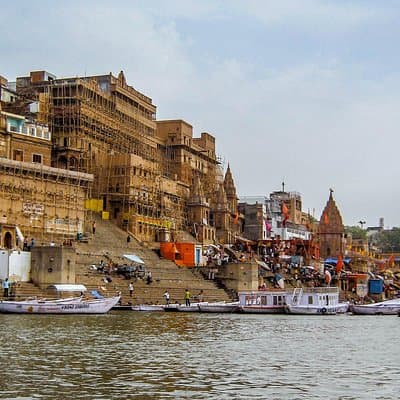
a partir de € 73
Ver disponibilidadePasseios e preços da Viator, uma empresa Tripadvisor. Os preços mudam conforme as datas. Podemos receber uma comissão se você reservar, sem custo extra.
Varanasi's food is deeply tied to its temple culture and vegetarian traditions. The city is a paradise for street food lovers, famous for its kachoris, chaat, and unique milk-based sweets offered as 'prasad' (religious offering). Expect bold flavors, lots of ghee, and a distinct absence of meat and eggs in traditional eateries.
Eat at stalls with high turnover. Look for places crowded with locals, not tourists.
Temple prasad is often sold just outside the temple gates. It's considered pure and hygienic.
Many traditional bhojnalayas (eateries) offer unlimited refills (pucca). Lunchtime (12-3 PM) is best.
These spots are great for reliable WiFi, Western breakfasts, and a break from the intensity of the streets.
Late March to April marks the end of the pleasant season. Temperatures begin to rise sharply, leading into summer. The major festival of Holi is celebrated with great fervor in March.
Pros:
Cons:
May to June is intensely hot and dry, with temperatures regularly soaring above 40°C (104°F). The heat is oppressive, and sightseeing during the day is challenging.
Pros:
Cons:
October marks the beginning of the ideal tourist season. The monsoon rains have cleared the air, leaving lush greenery and comfortable temperatures (20-30°C). The festive season starts with Diwali in October/November.
Pros:
Cons:
November to February is the peak season. Days are pleasantly cool (15-25°C) and sunny, while nights and early mornings can be chilly (down to 5-10°C), especially near the river. Fog is common in December and January.
Pros:
Cons:
Compare preços de trens, ônibus e voos para Varanasi
Digite sua cidade de partida para ver preços

30-45 min by auto-rickshaw or taxi
One of Buddhism's most important pilgrimage sites, where Lord Buddha delivered his first sermon after attaining enlightenment. The peaceful ruins, museums, and international monasteries offer a stark contrast to Varanasi's Hindu intensity.
1.5 hours by car
A massive, historic fort overlooking the Ganges with a rich history spanning from the Mughals to the British. It offers stunning river views, ancient carvings, and a fascinating, less-visited atmosphere.
30 min by auto-rickshaw or ferry across the Ganges
The ancestral home of the Maharaja of Varanasi, this 17th-century fort on the eastern bank of the Ganges houses a quirky museum with vintage cars, palanquins, and an astronomical clock.
Varanasi is generally very affordable for travelers, especially compared to major Indian metros. Budget travelers can live cheaply, while luxury options are available but less prevalent. Major costs are accommodation and guided tours.
Budget
€15-30 or $16-32 for budget travelers (dorm/guesthouse, street food, public transport)
per day
Mid-Range
€50-100 or $55-110 for mid-range (private room/3-star hotel, restaurant meals, auto-rickshaws, some tours)
per day
Luxury
€150+ or $165+ for luxury (5-star hotel, fine dining, private car with driver, premium experiences)
per day
A unique temple inside the Mahatma Gandhi Kashi Vidyapith campus dedicated not to a god, but to 'Mother India'.
It houses a huge, detailed relief marble map of undivided India, created in 1936. It's a fascinating piece of patriotic art and architecture, and is almost always peaceful and empty of tourists.
A modern marble temple located near Durga Temple, dedicated to Lord Rama.
Its white marble walls are engraved with the entire Ramcharitmanas epic, the text that made the Ramayana accessible to the masses. The atmosphere is serene, the architecture beautiful, and it's far less crowded than the main temples.
A mosque built atop the ruins of the original Bindu Madhav Temple, located at Panchganga Ghat.
It represents Varanasi's layered history. From its upper levels, you get one of the most stunning, panoramic views of the ghats and the river—a vista few tourists seek out.
A beautiful, ornate Jain temple hidden in the old city lanes near Manikarnika Ghat.
It's an oasis of exquisite marble carving and calm silence just steps away from the intense activity of the main cremation ghat. It showcases the city's religious diversity.
A village on the outskirts, across the river, where many of Varanasi's master silk weavers live and work.
See the authentic, painstaking process of creating Banarasi silk sarees on old wooden handlooms. You can buy directly from the weavers, understanding the craft's true value away from the market hype.
Varanasi's culture is synonymous with orthodox Hinduism, ancient rituals, and deep-rooted spirituality. Life revolves around the Ganges and the temple cycle. It's a conservative city where tradition dictates daily life, from dawn baths to evening prayers. Respect for religious customs is paramount.
Yes, but it requires vigilance. Dress conservatively, avoid isolated ghats and alleys at night, use registered guides for evening Aarti, and prefer pre-booked taxis or hotel transport. Stay in well-reviewed guesthouses or hotels. Harassment (staring, comments) can occur, but serious crime against tourists is rare.
Absolutely not. Despite its spiritual purity, the Ganges in Varanasi is severely polluted with industrial waste, sewage, and ritual offerings. Pilgrims may take a symbolic sip, but tourists should avoid any contact with the water beyond their feet. Always drink sealed bottled water.
It can be emotionally overwhelming. Observe quietly from a respectful distance. Do not take photos. You may wish to sit with a sensitive guide who can explain the spiritual context. Many visitors find it a profound, if challenging, part of the Varanasi experience. It's okay to leave if you feel uncomfortable.
For the Old City and first-time visits, a knowledgeable local guide is highly recommended. The alleys are a confusing maze, and a guide provides crucial cultural context for the rituals and temples. Ensure they are government-licensed. For subsequent days, you can explore more independently.
Light, breathable, but modest clothing is essential. For both men and women, clothes should cover shoulders and knees, especially for temple visits. Loose cotton trousers/pants and full-sleeve tops or kurtas are ideal. Comfortable, easy-to-remove shoes (like sandals) are best for temples.
No. Varanasi operates largely on cash (Indian Rupees). Some higher-end hotels, restaurants, and silk emporiums may accept cards, but for street food, rickshaws, small shops, and most guesthouses, cash is king. ATMs are widely available, but carry sufficient cash for daily expenses.
A minimum of 2 full days is essential: one for the ghats, boat ride, and evening Aarti, and another for the Old City temples and Sarnath. 3-4 days allows for a deeper, less rushed experience, including exploring hidden gems, attending morning rituals, and perhaps a cooking class or sari shopping.
Bhang is a paste made from cannabis leaves, legally sold in government-licensed shops (Bhang Thandai shops) for religious and cultural purposes, especially during Holi. It's often mixed into thandai (a milk drink). Consumption is legal but potent. Start with a very small amount if you choose to try it, and never consume before navigating the crowded streets.
Custos diários habituais para um viajante, com base nos preços médios em India.
| Econômico | Intermediário | Confortável | |
|---|---|---|---|
| Hospedagem (por noite) | € 14 | € 35 | € 90 |
| Comida e bebida (por dia) | € 5 | € 12 | € 28 |
| Passeios e atividades (por dia) | € 4 | € 12 | € 28 |
| Total por dia | € 23 | € 59 | € 146 |
As estimativas não incluem voos nem transporte de longa distância. Compare os custos diários entre cidades
Hotéis perto do centro de Varanasi, do econômico ao luxo. Os preços são diárias habituais na nossa última consulta.
 Econômico
 Econômico
 Intermediário
 Intermediário
 Superior
 Superior
 Luxo
 Luxo
Os preços dos hotéis vêm da Traveloka, consultados pela última vez em 4 de fevereiro de 2026, e variam conforme as datas. Podemos receber uma comissão se você reservar pelos nossos links, sem custo adicional para você.
Deixe a IA criar o roteiro perfeito para sua viagem a Varanasi. Apenas descreva o que você quer experimentar.
Planejar viagem para Varanasi