Passeio a pé regular da cidade soviética de Vilnius
4.9296 avaliações2h 30m
a partir de € 20
Ver disponibilidade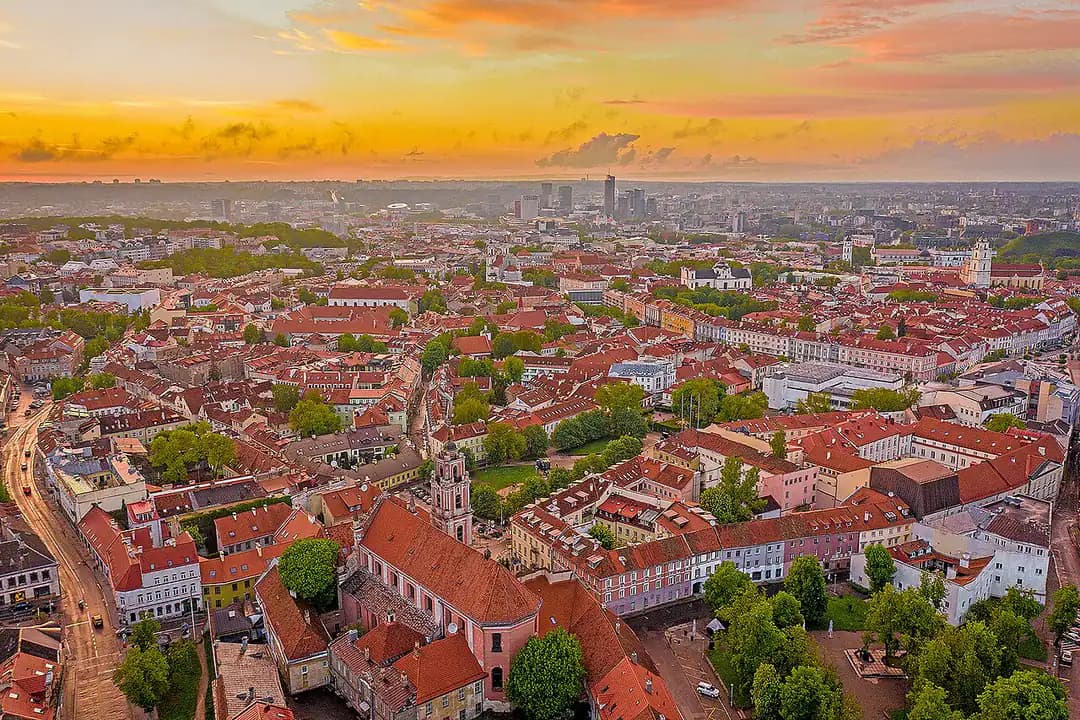
Lithuania
Vilnius isn't just another European capital; it's a living, breathing storybook where every cobblestone whispers secrets of the Grand Duchy of Lithuania, the Jewish Vilna, and a resilient post-Soviet spirit. Lose yourself in the UNESCO-listed Old Town, a sprawling Baroque masterpiece where you can sip exceptional specialty coffee in a hidden courtyard one moment and stand before the miraculous icon of the Gate of Dawn the next. The city's creative pulse beats strongest in the self-declared "Republic of Užupis," where a constitution declaring the right to be happy and a cat as the mayor perfectly captures Vilnius's quirky, independent soul.
Beyond the postcard-perfect facades, Vilnius reveals its complex layers through poignant history. Trace the rich Jewish heritage in the former ghetto, feel the weight of the KGB Museum (Genocide Victims Museum), and then experience the city's youthful energy in the vibrant bars and innovative restaurants of the Naujamiestis district. This is a city that balances profound history with a playful, affordable, and deeply human scale, inviting you to become part of its ongoing narrative.
A Baroque Old Town of Unparalleled Scale: Explore one of Europe's largest surviving medieval old towns, a UNESCO World Heritage site. Wander the maze of cobbled streets past over 40 churches, including the breathtakingly intricate red-brick St. Anne's Church and the neoclassical Vilnius Cathedral, and climb Gediminas Castle Tower for panoramic views.
The Quirky, Artistic Soul of Užupis: Cross the Vilnia River into the self-proclaimed independent "republic" of Užupis, a bohemian district with its own constitution, flag, and currency. Discover whimsical art installations, read the multilingual constitution plaques, and soak in the atmosphere of its cafes and galleries.
A Deep and Multilayered Historical Tapestry: Delve into the city's complex past as a major center of Jewish life (the "Jerusalem of the North"), a Polish cultural hub, and a Soviet-occupied capital. Visit the Gate of Dawn chapel, the poignant Holocaust exhibition at the Tolerance Center, and the chilling KGB Museum in the former headquarters.
An Exceptional and Affordable Coffee Culture: Vilnius is a paradise for coffee lovers, boasting a dense concentration of third-wave roasteries and specialty cafes. Spend an afternoon cafe-hopping to taste expertly brewed cups at local favorites like Taste Map, Crooked Nose & Coffee Stories, and Huracan Coffee in the historic courtyards.
Surprising Green Spaces and Hilltop Views: Escape the urban buzz in the city's many parks. Walk through Bernardine Gardens, explore the wooded slopes of the Three Crosses Hill monument, or take a funicular up to the Hill of Three Crosses for stunning sunset vistas over the red rooftops.
A Gateway to Unique Day Trips: Use Vilnius as a base to explore Lithuania's profound history and natural beauty. Easily visit the haunting Hill of Crosses, the fairytale Trakai Island Castle, and the sobering Soviet nuclear missile base at the Cold War Museum.
Pronto para explorar Vilnius?
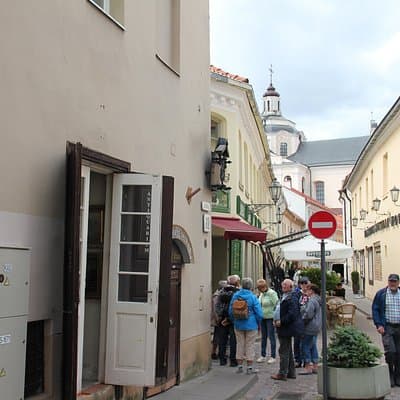
The historic heart and soul of Vilnius, a sprawling UNESCO World Heritage site defined by Baroque architecture, winding cobblestone streets, and hidden courtyards. This is the main tourist hub, buzzing with life day and night, packed with churches, museums, and restaurants.
Highlights:
Best for:
A bohemian, artist-run republic on the other side of the Vilnia River, known for its independent spirit, quirky art, and laid-back vibe. It feels like a village within the city, with a distinct constitution that includes the right to be happy and the right to be meaningless.
Highlights:
Best for:
A contrast to the Old Town, this district developed from the 19th century onwards and is the city's commercial and business center. It features grander architecture, wider avenues, and a more local, contemporary vibe with modern cafes, concept stores, and nightlife.
Highlights:
Best for:
A district of striking contrasts, where modern glass skyscrapers, including the Europa Tower, rise beside pre-war wooden houses and Soviet-era blocks. It's home to the main business district and offers unique perspectives on the city's layered development.
Highlights:
Best for:
Os passeios e ingressos que os viajantes mais reservam, com avaliações da Viator.
a partir de € 20
Ver disponibilidade
a partir de € 175
Ver disponibilidadePasseios e preços da Viator, uma empresa Tripadvisor. Os preços mudam conforme as datas. Podemos receber uma comissão se você reservar, sem custo extra.
Vilnius's food scene is a hearty blend of rustic Baltic comfort food, innovative New Nordic influences, and a strong cafe culture. Root vegetables, mushrooms, rye bread, dairy, and pork form the backbone of traditional cuisine, now being reinterpreted by a young generation of chefs in stylish bistros.
Portions are often huge; consider sharing one order of cepelinai between two people.
Book a table in advance, especially for dinner. These restaurants offer tasting menus that showcase local ingredients creatively.
Lithuanians take coffee seriously. Order a "filtruota" for filter coffee or a "puodelis kavos" for an espresso.
Hales Turgus is the central market hall—go upstairs for cheap and delicious lunch options from various vendors.
Spring (April-May) sees the city awaken with blooming flowers in the parks and gardens. Days become longer and milder, but can still be unpredictable with occasional rain.
Pros:
Cons:
Summer (June-August) is peak season with long, sunny days, average highs around 21°C (70°F), and a vibrant festival atmosphere. The city is alive with open-air events, terrace dining, and nightlife.
Pros:
Cons:
Autumn (September-October) brings stunning golden foliage, especially in the parks and around Gediminas Hill. The air turns crisp, and the tourist crowds thin out significantly.
Pros:
Cons:
Winter (November-March) is cold, often snowy, and magical. Temperatures hover around -4°C (25°F), turning the Old Town into a festive wonderland with Christmas markets (until early Jan) and ice-skating rinks.
Pros:
Cons:
Compare preços de trens, ônibus e voos para Vilnius
Digite sua cidade de partida para ver preços

40 min by train or bus
Visit the picture-perfect red-brick island castle, a symbol of Lithuania's medieval Grand Duchy, set on a lake. Trakai is also the historic home of the Karaim people, a Turkic ethnic group.
2 hours by train to Šiauliai + 15 min taxi
A powerful and unique site of national pilgrimage and resistance, where over 100,000 crosses have been placed on a small hill over centuries as symbols of faith and defiance.
20 min by train to Paneriai station + walk / 30 min drive to the museum
A sobering but important day exploring two dark chapters of history: the Paneriai Memorial marks the site of a WWII mass murder, while the former Soviet nuclear missile base offers a chilling Cold War experience.
Vilnius remains one of Europe's most affordable capitals, offering excellent value for money on accommodation, food, and attractions, especially compared to Western Europe.
Budget
€35-55 for budget travelers (hostel, market food, free sights, public transport)
per day
Mid-Range
€70-120 for mid-range (private room/Airbnb, restaurant meals, paid attractions, occasional taxi)
per day
Luxury
€150+ for luxury (boutique hotel, fine dining, private tours, premium experiences)
per day
The oldest surviving church in Vilnius, a rare example of Gothic architecture in a city dominated by Baroque.
It offers a stark, ancient contrast to the ornate Baroque churches and is often quiet, allowing for peaceful contemplation.
A short street dedicated to writers and poets, where the walls are covered with small, unique artistic plaques and installations.
It's a constantly evolving open-air gallery of miniature art, each piece honoring a different author with a connection to Lithuania.
The only surviving synagogue in Vilnius from before the Holocaust, when the city was a major global center of Jewish learning.
It's a moving and active place of worship that serves as a tangible connection to the once-vibrant Jewish community known as the "Jerusalem of the North."
A steep, cobbled street leading down from the Old Town towards the railway station, offering a classic, picturesque view of St. Anne's Church.
It provides one of the most iconic and photographed views in Vilnius, yet is just off the main tourist path and feels wonderfully local.
Housed in a former power plant, this interactive museum covers the history of Vilnius's industry, technology, and even has a retro arcade.
It's a fascinating change from churches and castles, with hands-on exhibits, great views from the rooftop, and a cool industrial aesthetic.
Lithuanian culture is deeply rooted in nature, folklore, and a resilient national identity. Vilnius reflects this with a blend of solemn historical pride and a contemporary, creative, and welcoming urban vibe. Family, tradition, and a connection to the land are highly valued.
Yes, Vilnius is considered very safe for tourists. Violent crime is rare. Standard precautions apply: be aware of your belongings in crowded areas and at night, but the Old Town is generally safe to walk around at all hours.
No. English is widely spoken, especially by younger people and those in the tourism, hospitality, and retail sectors. In museums, restaurants, and hotels, you will have no problem communicating in English.
Not at all. Vilnius is one of the most affordable capital cities in the European Union. Meals, accommodation, and attractions offer excellent value, making it a great destination for budget and mid-range travelers.
Walking is absolutely the best way. The Old Town and main attractions are compact and pedestrian-friendly. For longer distances or to reach districts like Šnipiškės, use the efficient and cheap bus/trolleybus network or ride-hailing apps like Bolt.
We recommend a minimum of 2 full days to see the main sights of the Old Town and Užupis at a relaxed pace. With 3-4 days, you can delve deeper into museums, take a day trip to Trakai, and explore more local neighborhoods.
Yes. Lithuania adopted the Euro (€) in 2015. Cash is accepted everywhere, but card payments (especially contactless) are ubiquitous, even for small purchases in cafes and markets.
Užupis is a bohemian neighborhood that declared itself an independent "republic" on April 1st, 1997, as an artistic and social experiment. It has its own constitution, flag, and currency (unused), but it is not a politically recognized state—it's a symbol of creativity and free spirit.
Pack for the season. In summer, include light layers and a rain jacket. In winter, essential items are a heavy coat, waterproof boots, hat, gloves, and scarf. Comfortable walking shoes are a must year-round for the cobblestone streets.
Custos diários habituais para um viajante, com base nos preços médios em Lithuania.
| Econômico | Intermediário | Confortável | |
|---|---|---|---|
| Hospedagem (por noite) | € 28 | € 65 | € 115 |
| Comida e bebida (por dia) | € 12 | € 25 | € 48 |
| Passeios e atividades (por dia) | € 6 | € 15 | € 32 |
| Total por dia | € 46 | € 105 | € 195 |
As estimativas não incluem voos nem transporte de longa distância. Compare os custos diários entre cidades
Hotéis perto do centro de Vilnius, do econômico ao luxo. Os preços são diárias habituais na nossa última consulta.
 Econômico
 Econômico
 Intermediário
 Intermediário
 Superior
 Superior
 Luxo
 Luxo
Os preços dos hotéis vêm da Traveloka, consultados pela última vez em 4 de fevereiro de 2026, e variam conforme as datas. Podemos receber uma comissão se você reservar pelos nossos links, sem custo adicional para você.
Conexões populares de trem, ônibus e avião, com tempos de viagem e tarifas.
Deixe a IA criar o roteiro perfeito para sua viagem a Vilnius. Apenas descreva o que você quer experimentar.
Planejar viagem para Vilnius