Lisbon, Portugal
The most established European nomad hub. Pros: excellent weather, strong English, vibrant nomad community, Portugal's digital nomad visa, affordable by Western European standards. Cons: increasingly expensive (locals are priced out), overtourism concerns, housing shortage. Best for: first-time nomads wanting community and easy living. Monthly cost: €1,500-2,500.
Pro Tip: The nomad community centers around Bairro Alto and Santos. LX Factory hosts co-working spaces with startup culture.
Budapest, Hungary
Best value in the EU. Pros: incredibly affordable, fast internet, beautiful architecture, thermal baths, exciting nightlife. Cons: language barrier (Hungarian is difficult), winter darkness, less established nomad scene than Lisbon. Best for: budget-conscious nomads who want European culture. Monthly cost: €1,000-1,800.
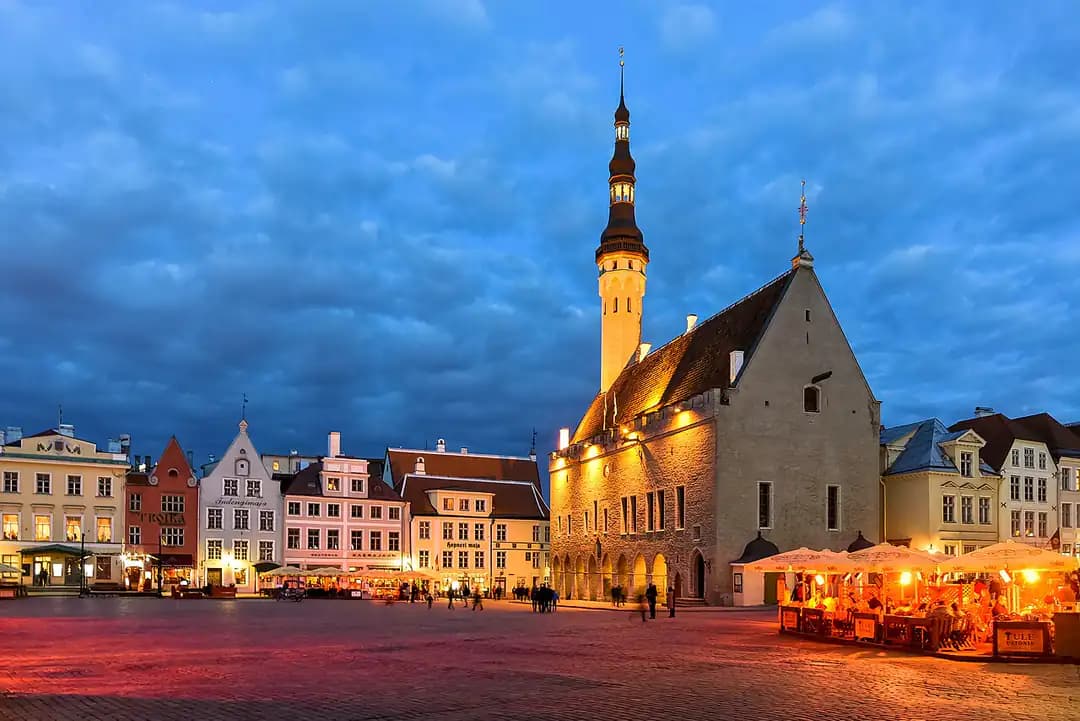
Tallinn, Estonia
The most digitally advanced. Pros: e-Residency program, startup ecosystem, medieval old town, excellent WiFi everywhere, digital nomad visa. Cons: dark, cold winters, small city, limited nightlife. Best for: entrepreneurs and tech workers who value efficiency. Monthly cost: €1,400-2,200.
Barcelona, Spain
Beach and city combined. Pros: weather, beach, food, culture, nightlife, large international community. Cons: expensive, bureaucratic visa process, some local resentment toward tourists/nomads. Best for: those prioritizing lifestyle over savings. Monthly cost: €2,000-3,500.
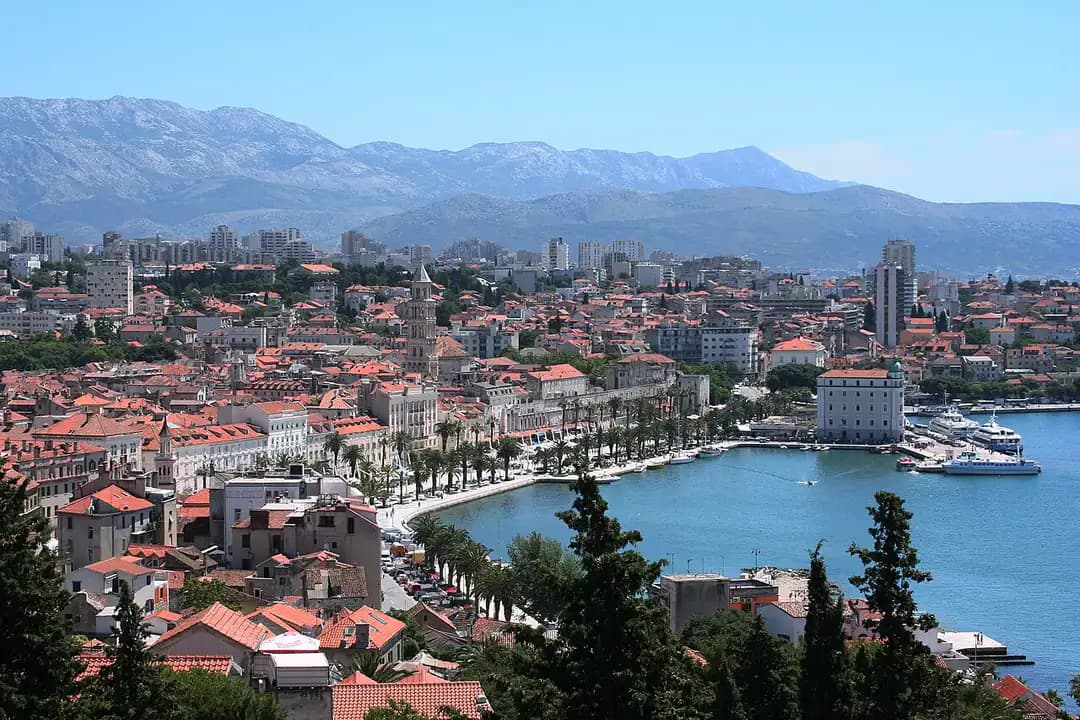
Split, Croatia
The emerging choice. Pros: stunning coastline, affordable, digital nomad visa, growing scene, easy Schengen access (from 2025). Cons: smaller city, seasonal tourism crowds, limited winter activities. Best for: beach lovers wanting Mediterranean life at lower costs. Monthly cost: €1,200-2,000.
Practical Considerations
Schengen rules limit stays to 90 days per 180-day period without a visa. Portugal, Spain, Croatia, and Estonia offer digital nomad visas. Tax residency is complex—consult a professional before staying 183+ days anywhere. Time zones matter: Western Europe aligns with UK/Africa, Eastern Europe with Middle East/India. Consider healthcare (EHIC for EU citizens, travel insurance for others).